Understanding the Lifecycle of Common Household Pests
To effectively manage pest infestations, it's essential to understand the lifecycle of common household pests. Each type of pest, from bed bugs to rodents, has a unique reproductive cycle that influences how quickly they can multiply and invade your home.
For instance, bed bugs can lay hundreds of eggs in their lifetime, and these eggs hatch within a week under ideal conditions. Understanding these lifecycles allows homeowners to implement timely and effective pest control measures, ensuring that infestations are dealt with before they escalate.
Preventative Measures for Pest Control in Your Home
Preventing pest infestations is often more effective than dealing with them after they occur. Simple measures, such as sealing cracks, maintaining cleanliness, and proper food storage, can significantly reduce the likelihood of pests entering your home.
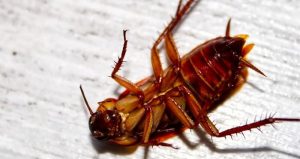
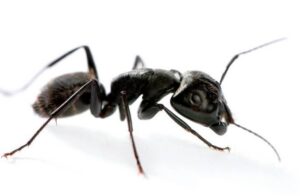
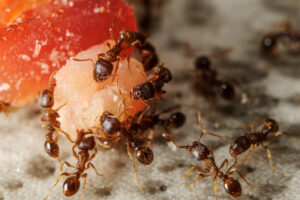
For example, keeping food in airtight containers and regularly cleaning up spills can deter pests like ants and cockroaches. Additionally, regular inspections of potential entry points can help homeowners catch issues before they develop into larger infestations.
Signs of Pest Infestations: What to Look For
Identifying the signs of a pest infestation early can save homeowners time and money. Common indicators include droppings, gnaw marks, and unusual sounds within walls or ceilings, which often signal the presence of rodents or insects.
For instance, if you notice small dark droppings or shed skins, these could be signs of a cockroach or bed bug infestation. Being vigilant and recognizing these signs can prompt timely action, allowing for more effective pest management solutions.
The Importance of Professional Pest Control Services
While DIY pest control methods can be effective in some cases, professional pest control services offer expertise and comprehensive solutions that are often necessary for severe infestations. Professionals have access to advanced tools and treatments that can eliminate pests more efficiently.
For example, pest control technicians can identify the root cause of infestations and implement targeted treatments that are safe for both your family and pets. Their knowledge of local pest behavior and ecology ensures that they can provide the most effective and sustainable pest management strategies.