Understanding the Life Cycle of Common Household Pests
To effectively manage pest populations, it's crucial to understand their life cycles. Each pest species, whether it's ants, cockroaches, or bed bugs, has a unique development process that influences their behavior and control strategies. Knowledge of these stages helps homeowners and pest control professionals identify the best times for intervention.
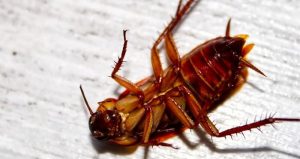
For example, understanding that bed bugs can reproduce rapidly and that their eggs are resistant to many treatments can inform the timing and methods of pest control. Similarly, recognizing that cockroaches can live for weeks without food but require moisture can help in devising effective management strategies that target their vulnerabilities.
Seasonal Pest Control: Preparing Your Home for Year-Round Protection
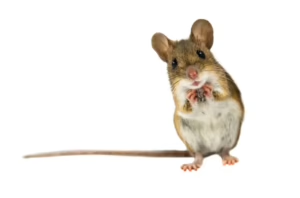
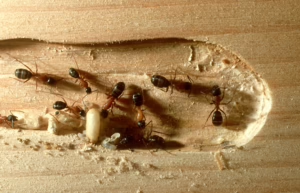
Seasonal changes can significantly impact pest activity in and around your home. Different pests have peak seasons when they are most active, and understanding these patterns can help homeowners take proactive measures to prevent infestations. For instance, spring often brings an increase in ants and termites, while fall may see a rise in rodents seeking shelter.
To prepare your home for seasonal pest challenges, consider implementing preventive measures such as sealing cracks, installing screens, and maintaining a clean environment. Regular inspections by pest control professionals can also ensure that any potential issues are addressed before they escalate into significant problems.
DIY Pest Control Tips: When to Call the Professionals
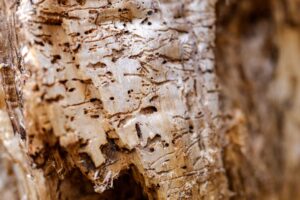
Many homeowners attempt to manage pest issues independently using various DIY methods. While some minor infestations can be handled with over-the-counter products and home remedies, understanding when to call in professionals is crucial for effective pest management. Certain pests, like termites or bed bugs, often require specialized treatments that are best left to experts.
For example, while vinegar and essential oils may deter some pests, they are unlikely to eliminate an established infestation. In such cases, contacting a pest control service can provide a thorough inspection and targeted treatment options that ensure long-term results and peace of mind.
The Importance of Integrated Pest Management (IPM) in Pest Control
Integrated Pest Management (IPM) is a holistic approach to pest control that combines various strategies to minimize pest populations while reducing risks to human health and the environment. This method emphasizes the importance of understanding pest biology, monitoring pest populations, and implementing preventive measures.
IPM techniques can include cultural practices, biological control, and the judicious use of chemical treatments. For instance, encouraging natural predators in your garden can help control aphid populations, while regular monitoring can help catch infestations early. By adopting an IPM approach, homeowners can achieve effective pest management with minimal environmental impact.