Professional bed bug treatment in Pittsburgh involves a thorough inspection, a targeted combination of liquid, aerosol and dust applications to the places bed bugs hide, and scheduled follow-up visits to catch bugs that hatch after the first service. It’s a process, not a single spray, and your preparation makes a real difference. If you’ve found […]
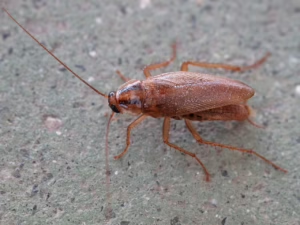
German cockroach treatment almost always takes more than one visit because no single application can reach every stage of the roach’s life cycle. Egg cases shield developing nymphs from most treatments, so a new wave hatches in the weeks after the first service, and follow-up visits are what stop those nymphs before they mature and […]
German cockroach treatment almost always takes more than one visit because no single application can reach every stage of the roach’s life cycle. Egg cases shield developing nymphs from most treatments, so a new wave hatches in the weeks after the first service, and follow-up visits are what stop those nymphs before they mature and […]
A termite warranty is a written commitment from your pest control company to stand behind its treatment for a set period. The annual renewal keeps that commitment active. When you renew, you’re paying for a yearly professional inspection and continued re-treatment coverage, not just paperwork. For Pittsburgh homeowners, that ongoing protection matters more than many […]
Yes, preventive termite treatment often makes sense even if you’ve never seen a termite in your home. Eastern subterranean termites, the species most common around Pittsburgh, live underground and feed on wood from the inside out. By the time most homeowners notice them, they’ve usually been active for months or even years. That’s the problem […]
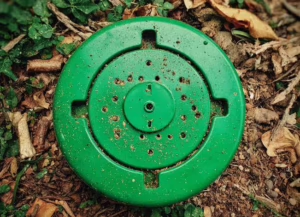
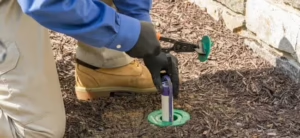
Termite bait stations and liquid treatment both work, but they work differently. Bait stations slowly eliminate the colony and suit homes where drilling or soil treatment is difficult, while liquid treatment creates an immediate protective zone around the foundation. The right choice depends on your home’s construction, soil, and activity level, and a professional inspection […]
Termite treatment in Pittsburgh usually relies on one of two proven methods. A liquid termiticide applied to the soil around your foundation blocks termites from reaching the house. In-ground bait stations get termites to carry a slow-acting bait back to the colony and eliminate it. Many homes do best with a combination of both, chosen […]
You’re seeing bugs around your Pittsburgh windows and doors in the fall because dropping temperatures push overwintering insects toward the warmest surface they can find — your sun-baked siding. Once they land there, they follow heat, light, and drafts through gaps in caulk, screens, and weatherstripping. Your window frame is simply the last stop before […]
To keep pantry pests out of your kitchen this fall, transfer dry goods into airtight glass or hard plastic containers, inspect every bag and box before it reaches the shelf, wipe up crumbs weekly, and rotate older stock forward. Most infestations arrive inside sealed packaging from the store, not through your windows. That last sentence […]
The most common fall pests in Pittsburgh homes are house mice, brown marmorated stink bugs, cluster flies, boxelder bugs, Asian lady beetles, spiders, and the occasional Norway rat. Every one of them is chasing the same thing: warmth. Once overnight temperatures slide into the 40s, they stop living in your yard and start living in […]
pest management near me, exterminator services near me, bug exterminator near me, termite treatment near me, june bugs, exterminator near me, june bug, aphids, weevil, weevils, garden beetles, firebrat, red bugs
Understanding the Lifecycle of Termites in Pennsylvania
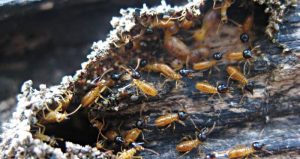
Termites undergo a complex lifecycle that significantly influences their behavior and the potential for infestations. Understanding this lifecycle—from egg to adult—can help homeowners recognize the signs of termite activity early and take preventive measures.
Termites have three main stages: egg, nymph, and adult. The nymphs resemble small adults and can mature into workers, soldiers, or swarmers, depending on the colony's needs. This adaptability allows them to thrive in various environments, making it essential for homeowners to be vigilant about inspections and treatments.
Signs of Termite Damage in Your Home
Identifying the signs of termite damage early can save homeowners significant repair costs and stress. Common indicators include mud tubes on exterior walls, hollow-sounding wood, and discarded wings near windows or doors.
Additionally, homeowners should look for frass, which is termite droppings that resemble sawdust. Regular inspections can help catch these signs before they lead to serious structural damage, emphasizing the importance of professional pest control services.
Effective Termite Prevention Strategies for Homeowners
Preventing termite infestations requires a proactive approach that includes both structural and environmental modifications. Homeowners can reduce the risk of termites by ensuring proper drainage, sealing cracks, and removing wood debris from around the home.
Moreover, applying preventative treatments such as soil barriers and bait systems can be highly effective. Regular inspections by pest control professionals can also ensure that any potential threats are identified and addressed before they develop into infestations.
Comparing Different Pest Control Methods for Termites
When it comes to termite control, several methods are available, each with its advantages and disadvantages. Homeowners can choose between chemical treatments, bait systems, and natural methods, depending on their specific needs and preferences.
Chemical treatments often provide quick results but may require precautions due to toxicity. On the other hand, bait systems offer a more environmentally friendly approach, targeting termites over time. Understanding these options can help homeowners make informed decisions about their pest control strategies.