
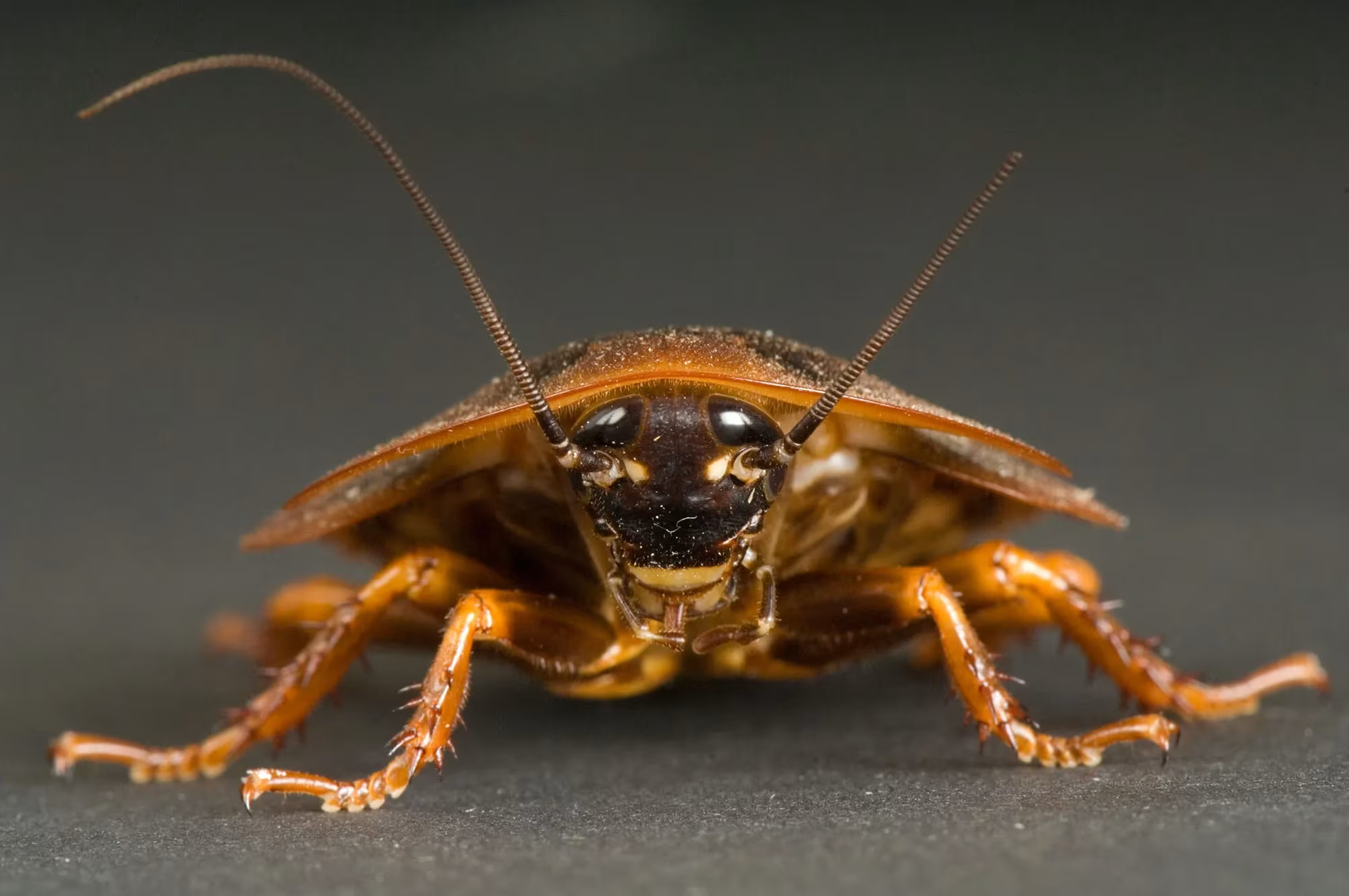
Cockroaches do not establish in a building by chance. They need three things, and if a kitchen or basement supplies all three, a population will persist no matter how often the floor gets mopped.
The three are water, food and harborage, and they are not equally important. Here is what actually draws them, in the order that matters. Where a population is already established, roach control deals with it while you work through the conditions.
Water comes first
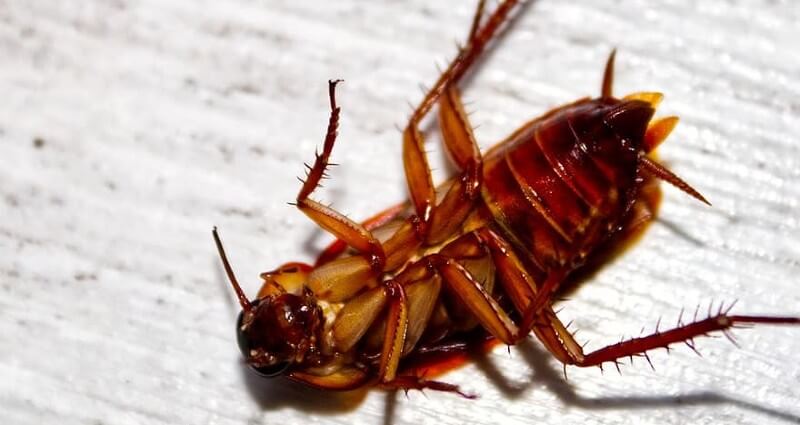
This is the one most people get backwards. A cockroach can survive a long time without food and only a matter of days without water, which makes moisture the limiting factor in most buildings.
It is why infestations center on kitchens and bathrooms rather than pantries, and why a basement with a damp floor supports a population that a dry one does not.
The sources worth hunting down are a dripping faucet or trap, a sweating cold water pipe, condensation on a toilet tank, a leaking dishwasher or refrigerator line, standing water in a sump or floor drain, a wet pet bowl left overnight, water in a sink or a dish rack, and a damp mop or sponge left out.
Fixing the water supply does more than any amount of cleaning, and it is the step most often skipped.
A cockroach can last weeks without food and only days without water.
Food, and where it actually is
Cockroaches eat almost anything organic, which widens the search well beyond the pantry.
- The gap between a stove and a counter, and underneath a dishwasher or refrigerator
- Grease film on walls, the hood above a stove and the sides of appliances
- The crumb tray of a toaster, and inside a microwave
- Pet food left down, and the dust around a bowl
- Bin bases and liners, and recycling rinsed only roughly
- Cardboard and paper, including the glue in box seams
- Soap residue, toothpaste and hair in a bathroom
- Food packaging rather than sealed containers
Cardboard deserves its own mention, because it is food and shelter at once. Boxes stacked in a basement or under a sink are one of the more reliable ways to support a population.
Harborage, which decides how many
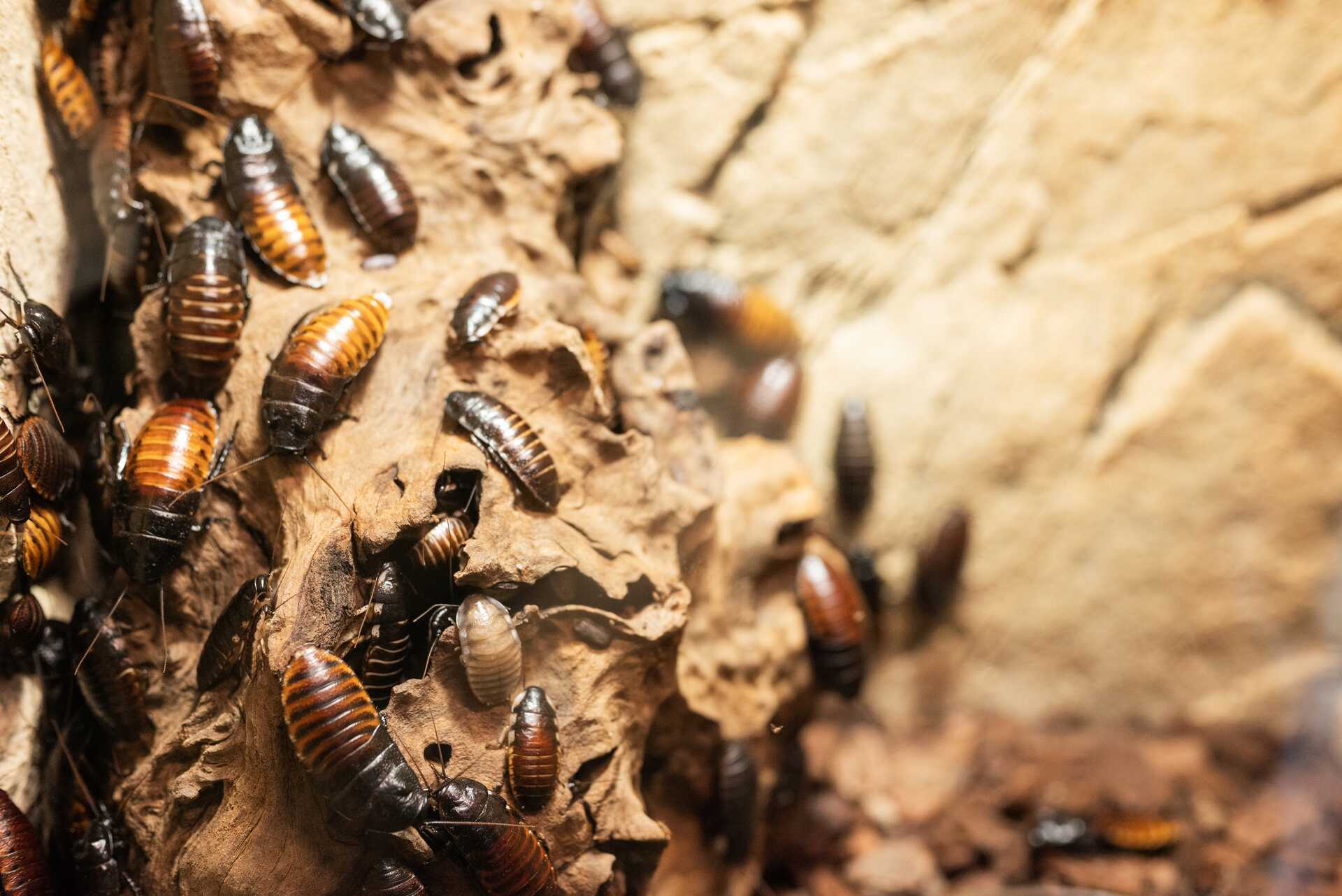
Cockroaches are thigmotactic, meaning they want contact on both sides of the body, so they wedge into tight crevices rather than sitting in open space. The number a building supports depends heavily on how many such crevices exist near water and food.
Common harborage includes the gaps behind and under cabinets, the voids around pipe penetrations, the motor compartment of a refrigerator, the space beneath a dishwasher, loose or lifting trim, hollow cabinet toe kicks, cracks in a basement wall or floor, stacked cardboard, cluttered storage, and the inside of small appliances.
This is why decluttering a basement reduces a roach problem in a way that seems disproportionate. It is not tidiness for its own sake; it is removing dozens of shelter sites.
A tight dark crevice next to water and food is the whole requirement.
How they get in
Most of the entry routes are predictable, and a few are surprising.
Carried in. The most common route for German cockroaches. Grocery bags and cardboard boxes, deliveries, second hand appliances and furniture, and items from a storage unit. In an apartment, a neighbor’s belongings during a move.
Shared walls and utility runs. In multi unit buildings, roaches travel along pipe chases, wiring runs and shared voids, which means a problem in one unit becomes a problem next door regardless of how that unit is kept.
Drains and sewer lines. Larger species in particular come up through floor drains, a dry trap in a basement, and gaps around the drain pipe. A floor drain that is rarely used dries out and stops being a barrier.
Gaps in the building. Worn door sweeps, gaps around utility penetrations, unscreened vents, and crevices where siding meets the foundation.
Why basements are so often the center
A basement combines everything in one place. It runs damper than the rest of the house, which suits American and Oriental cockroaches in particular, while German cockroaches favor the warm spots near the water heater and appliances. It holds the water heater, the washer, a utility sink, a sump and the main pipework. It is where cardboard and stored clutter accumulate. And it is the least disturbed part of a house, often going weeks without anyone looking carefully at a corner.
From there a population works upward through pipe chases and wall voids into the kitchen, which is why treating a kitchen while ignoring the basement tends to produce a temporary result.
What to change, in order
- Fix every leak and drip, and insulate pipes that sweat. This is the highest return action available
- Dry the basement, with a dehumidifier if necessary, and keep floor drains wet enough to hold a trap seal
- Clean the hidden food: appliance gaps, grease film, the bottom of the trash can, pet food, recycling
- Move food into sealed containers rather than original packaging
- Get rid of cardboard and replace it with lidded plastic totes
- Reduce clutter in basements, under sinks and in cabinets, which removes harborage
- Dry the sink and empty the pet bowl at night, which removes the overnight water supply
- Inspect what comes in, particularly boxes, second hand appliances and furniture
- Seal crevices and gaps after treatment rather than before
What does not help
A few popular approaches work against the goal.
Foggers and bug bombs do not penetrate the crevices where cockroaches live, push the population deeper into the structure and into adjoining rooms or units, and leave residue on every surface including food preparation areas.
Broad surface spraying with a retail aerosol repels, which scatters them and makes bait less attractive afterwards, so a kitchen sprayed in week one is harder to treat in week three.
Ultrasonic repellers have been tested repeatedly and do not work.
Cleaning alone helps but will not remove an established population, because the harborage and water remain. The signs of a hidden problem covers how to tell what stage you are at.
Broad spraying scatters a population instead of reducing it.
Apartments are a different problem
In a shared building, individual effort has limits. A unit can be dry, sealed and spotless and still receive roaches through a shared wall from a unit that is not.
That makes two things worth doing: reporting it to the building rather than handling it quietly, since a coordinated treatment across adjoining units is the only thing that works, and sealing the specific routes into your own unit, particularly around pipework under sinks and behind appliances.
Stewart Termite & Pest Control works on cockroach problems in Pittsburgh homes, apartments and businesses, and has since 1987. Call 412-822-7610 or request an estimate online.
Frequently Asked Questions
What attracts cockroaches to a house?
Water first, then food, then tight crevices to shelter in. Moisture is the limiting factor in most buildings, which is why kitchens, bathrooms and damp basements are where populations establish.
Why do cockroaches like basements?
They are damper and less disturbed than the rest of the house, and they hold the water heater, pipework, a sump and usually stored cardboard, which is both food and shelter.
Does cardboard attract cockroaches?
Yes. They feed on paper and the glue in box seams and shelter between layers, so stacked boxes in a basement or under a sink support a population directly.
Can cockroaches come up through drains?
Larger species do, particularly through a floor drain whose trap has dried out. Keeping rarely used drains wet maintains the water seal that blocks them.
Will cleaning get rid of cockroaches?
It helps but will not remove an established population on its own, because the water sources and crevices they shelter in remain. Fixing leaks usually matters more than cleaning.
Why do I have roaches in a clean apartment?
In a shared building they travel along pipe chases and wall voids from neighboring units, so one well kept apartment can receive them continuously. Coordinated treatment across units is what resolves it.