

The instinct when a cockroach runs across a kitchen floor is to step on it. It is satisfying, it is immediate, and it is close to the worst available response.
Crushing a roach spreads what it was carrying, spreads allergens, and can knock loose an egg case that survives the impact. Here is what actually happens, and what to do instead. If you are seeing them regularly, roach control deals with the population rather than the individual.
You are spreading what it carried
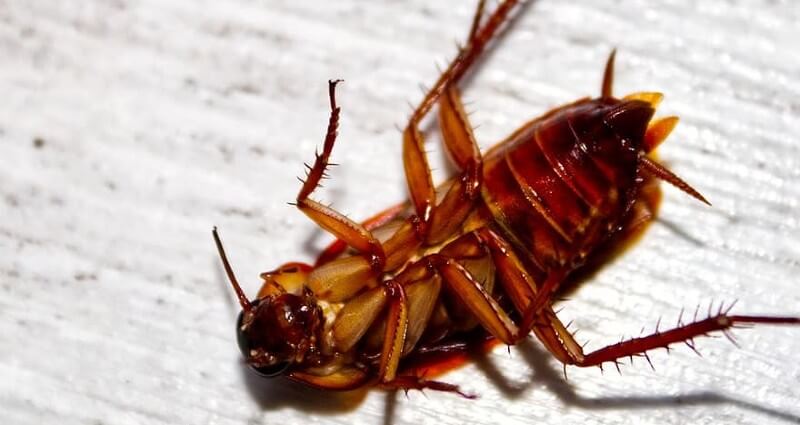
Cockroaches move between drains, waste, decaying matter and food surfaces, and they pick up bacteria on their legs, body and in their gut along the way. Salmonella, E. coli, Staphylococcus and a range of others have all been recovered from cockroaches in homes.
Crushing one releases the gut contents directly onto whatever it is standing on, which is usually a floor or a counter that someone will touch. On a food preparation surface that is a genuine contamination event rather than a theoretical one.
The same applies to a shoe sole, which then carries the material through the rest of the house.
A cockroach carries on its body whatever it last walked through.
Allergens get worse, not better
This is the part most people have never heard, and it matters most in a household with asthma.
Cockroach allergens come from their saliva, droppings, shed skins and body fragments, and they are a recognized asthma trigger, particularly in children. Crushing a roach breaks it into fragments and distributes those proteins into the surrounding area, where they dry and become airborne as dust.
In a home where someone has asthma or a cockroach allergy, every crushed roach is a small addition to the allergen load in that room. Removing them intact and sealed avoids that entirely.
The egg case often survives
Female cockroaches carry or deposit an ootheca, a hardened protective egg case. An American cockroach case holds about sixteen eggs; a German cockroach case holds thirty to forty or more.
That case is tough. A German cockroach female carries hers until shortly before hatching, so crushing her can detach a viable case rather than destroying it, and it can be flicked some distance by the impact. The result is an egg case sitting under an appliance or in a floor crevice, out of sight, hatching a week or two later.
Killing one visible adult while knocking a case of thirty or more eggs into a gap is a poor trade.
The mess stays behind
Cockroaches communicate chemically. Their droppings carry aggregation pheromones that tell other roaches where shelter is, which is why they gather in the same crevices.
A crushed roach leaves body fluid and droppings on the surface. Wiping it with a dry cloth spreads that around, so clean the spot with detergent, the same way you would after any spill from a drain.
What to do instead
- Vacuum it up with a hose attachment. This is the best option: it removes the roach, any egg case, droppings and fragments all at once. Empty the canister or bag into a sealed bag and put it outside immediately
- Trap it under a glass, slide a card underneath and remove it intact
- Use a paper towel to pick it up whole, then bag and seal it. Wash your hands afterwards
- Flush it if it is already dead and intact
- Clean the area with a detergent or disinfectant afterwards, which removes both residue and pheromone
If you do crush one, clean the surface properly rather than wiping it with a dry cloth, which just spreads it.
Removing one intact is better than destroying it in place.
Why killing them one at a time changes nothing anyway
The deeper problem with squishing is that it treats a symptom. A visible cockroach is a small fraction of a population, and German cockroaches in particular reproduce fast enough that removing individuals has no measurable effect.
One female and her offspring can produce hundreds of descendants in a year under good conditions. A household that kills three roaches a week and feels like it is winning is usually watching a population grow.
What does change the outcome is removing water, food and harborage, and treating the colony with baits the roaches carry back to where they shelter.
Seeing one in daylight means something
Cockroaches are nocturnal and prefer tight dark crevices. A roach out in the open during the day is usually a sign that the harborage is crowded or that the population has grown enough to push individuals into less desirable space.
So the single roach you saw at lunchtime is a worse sign than the single roach you saw at midnight. Both mean others are present; the daytime one suggests there are a good many.
The hidden signs of a roach problem covers what to look for before you see one at all.
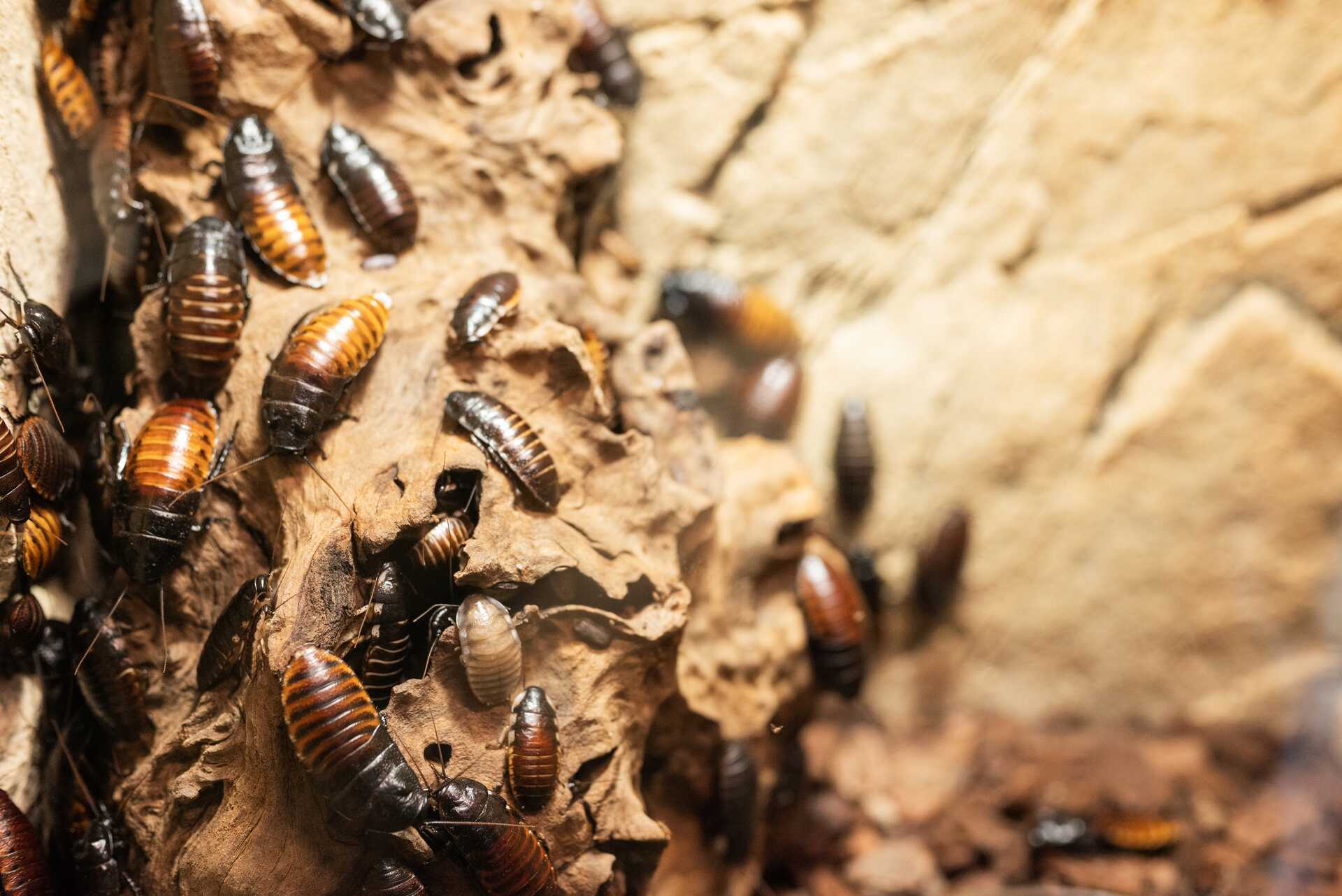
Cockroaches avoid light and open space. Daytime activity suggests crowding.
The exception, and it is a narrow one
There is one situation where stepping on a roach is defensible: a single large outdoor species on a hard floor, away from any food surface, where you can clean the spot properly afterwards and there is no reason to think anything is breeding indoors.
Even then, picking it up with a paper towel is no harder and avoids the mess. The argument against crushing is strongest in a kitchen, strongest again if the species is a small indoor breeder, and strongest of all in a household with asthma.
What is never defensible is treating squishing as the response to a pattern. One roach a month on a basement floor is a different thing from three a week in a kitchen, and the second one calls for finding the harborage rather than improving your aim.
The things people get wrong next
After the squishing comes the spraying, which has its own problems. Retail aerosols repel, scattering a population into wall voids and adjacent rooms, and they work against baits by making treated areas unattractive. A kitchen sprayed thoroughly in week one is harder to treat in week three.
Foggers and bug bombs are worse still. They do not penetrate the crevices where cockroaches actually live, they drive the population deeper into the structure, and they deposit residue across every surface in the room including the ones food touches.
Ultrasonic repellers do not work. This has been tested repeatedly and the result does not change.
What works
- Fix every leak and dry out condensation. Cockroaches need water more urgently than food
- Clean the hidden food: under and behind appliances, the grease film on walls, the bottoms of trash cans, pet food, recycling
- Store food in sealed containers rather than packaging
- Reduce clutter, especially cardboard, which is both harborage and food
- Seal crevices, gaps around pipes, and the voids behind cabinets, after treatment rather than before
- Use gel baits placed in crevices rather than sprays, so workers carry material back
- Vacuum regularly, which removes droppings, egg cases and allergens together
Stewart Termite & Pest Control has handled cockroach problems in Pittsburgh homes and businesses since 1987. Call 412-822-7610 or request an estimate online.
Frequently Asked Questions
Why should you never squish a cockroach?
It spreads gut bacteria onto the surface, releases allergen carrying fragments that trigger asthma, and can knock loose a viable egg case rather than destroying it.
Does crushing a roach release its eggs?
It can. A German cockroach female carries a hardened egg case of thirty to forty or more eggs until shortly before it hatches, and the case is tough enough to survive and be flung clear, hatching later somewhere out of sight.
What is the best way to kill a cockroach you see?
Vacuum it up with a hose attachment, then empty the canister into a sealed bag and put it outside. That removes the roach, any egg case and the droppings and fragments together.
Are cockroaches an asthma trigger?
Yes. Their saliva, droppings, shed skins and body fragments are a recognized trigger, particularly in children, and crushing one distributes those proteins into the room.
Does seeing a roach in daylight mean anything?
Usually that the population is large. Cockroaches are nocturnal and prefer tight dark crevices, so daytime activity in the open suggests the harborage is crowded.
Do bug bombs work on cockroaches?
No. They do not reach the crevices roaches shelter in, they push the population deeper into the structure, and they leave residue across every surface in the room.