
There is a point where a roach problem stops being something a homeowner can resolve with products from a hardware store, and most people pass it without noticing.
The line is not about effort or about how much money gets spent on gel and traps. It is about how established the population is and where it is sheltering. Here is how to tell which side of it you are on, and what professional treatment does that a homeowner cannot.
What you can reasonably handle
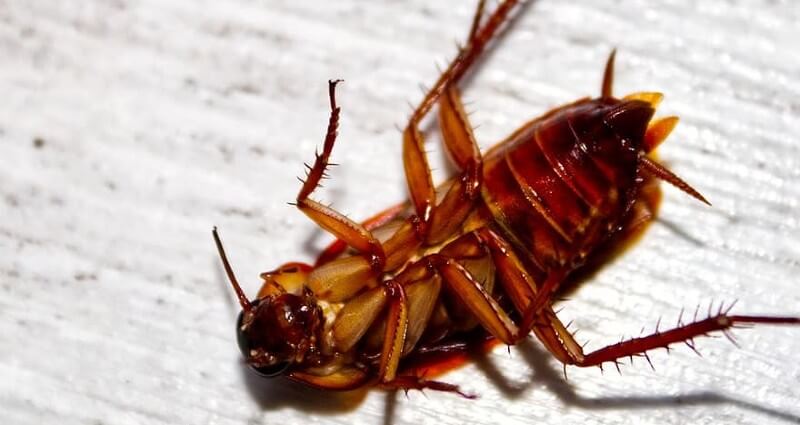
Some situations are genuinely within reach, and it is worth saying so.
- One or two sightings traced to an obvious source, such as a cardboard delivery or a bag of groceries
- Large outdoor species wandering in occasionally from a basement or a drain, with no signs of breeding
- No droppings, egg cases or shed skins found after a careful look in cabinets and under sinks
- Activity confined to one room and only at night
In that situation, fixing leaks, cleaning the hidden food sources, clearing cardboard, keeping a floor drain wet and placing gel bait in crevices is a reasonable program, and it often works.
A few sightings traced to a single source is a manageable situation.
The signs it has outgrown that
Any of these means the population is established rather than incidental.
Daytime sightings. Cockroaches are nocturnal and avoid open space. Seeing one in the open during the day usually means the harborage is crowded, which implies numbers rather than a stray.
Several at once. A scatter of roaches when a light goes on at night is a late stage sign.
Young roaches. Small pale or dark nymphs mean breeding is happening inside the building, not that something wandered in.
Egg cases. A purse shaped capsule glued into a crevice is proof of reproduction on site.
Droppings in more than one room. Spread beyond the kitchen means the population has outgrown its original harborage.
The odor. A musty, oily smell from a cabinet or an appliance gap indicates an established population rather than a few individuals.
Activity after several weeks of DIY work. This is the clearest signal of all. Properly placed bait should produce a visible decline within two to three weeks. If it has not, something is wrong with the approach or the extent.
Why home treatment stalls
Four reasons account for nearly every failed attempt.
The harborage is unreachable. Wall voids, the inside of cabinet carcasses, under a built in dishwasher, inside a refrigerator motor housing, behind a tiled wall. Bait placed on a surface does not reach a population living inside a cabinet frame.
Sprays have already scattered them. Retail aerosols repel, so broad spraying pushes a population deeper into voids and into adjoining rooms, and makes the treated area unattractive for the bait that would have worked.
Bait aversion and placement. Some populations avoid certain bait formulations, and a lot of bait is placed where people can see it rather than in the crevices roaches actually use. Bait on an open counter does very little.
Reproduction outruns removal. Under good conditions a population grows faster than individual roaches get killed, so steady effort can still lose ground.
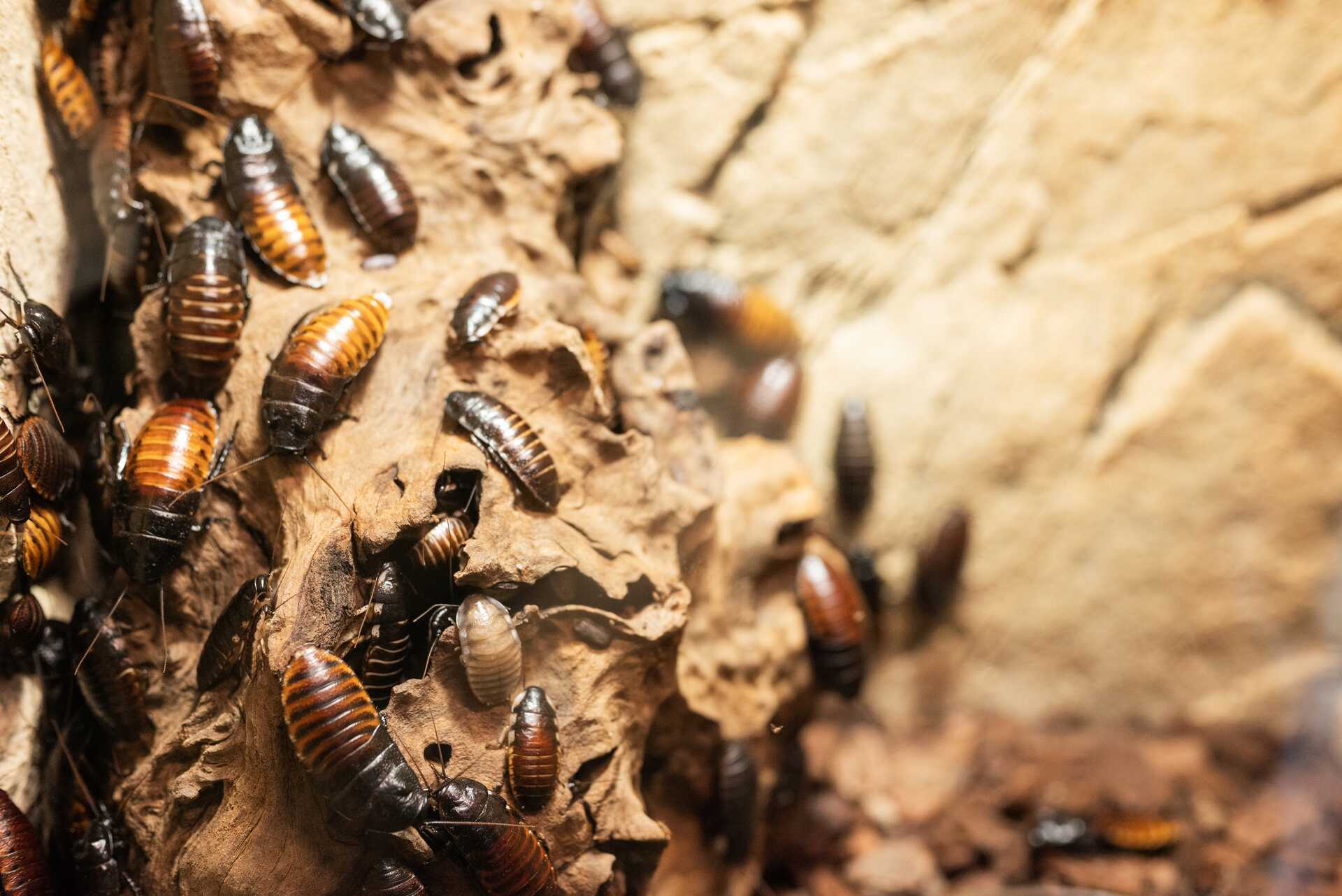
Most of the population is in places a homeowner cannot reach or see.
What professional treatment adds
- An inspection that finds the harborage, including inside appliances and cabinet voids, which determines where everything else goes. Stewart’s roach inspections are free
- Identification of the species, since German, American and Oriental cockroaches live in different places and need different handling
- Products available only to licensed professionals, placed into the crevices roaches actually use rather than onto open surfaces
- Follow up, since egg cases are unaffected by nearly everything and the population has to be checked after the hatch
- A maintenance plan to keep them from coming back, with a 90 day warranty on roach service
Where the apartment question sits
In a multi unit building the calculation is different, because a well kept unit can receive roaches continuously along pipe chases and wall voids from a unit that is not.
No amount of individual effort resolves that. What works is reporting it to the building so a coordinated treatment covers the adjoining units, and sealing the specific routes into your own apartment, particularly around pipework under sinks and behind appliances.
Handling it quietly with retail products is the approach most likely to leave the problem running for years. In a rental, a landlord is usually responsible for treating an infestation that comes from the building itself, so reporting it early also protects the tenant. Put the report in writing and keep a copy.
Reasons not to wait
Three practical arguments for dealing with it sooner.
It compounds. A population in one cabinet is a small job. The same population after six months is spread through a kitchen and into a basement, and the work scales accordingly.
Health. Cockroach droppings, saliva and shed skins are a recognized asthma trigger, particularly in children, and the allergen load builds with the population. Contamination of food surfaces is a genuine concern as well.
DIY makes it harder. Weeks of spraying scatter the population into voids and adjoining rooms, so the job that follows is bigger than the one that existed at the start. What to do when you see one covers the response that does not backfire.
Cost and difficulty both scale with how long a population has been running.
What to do before a visit
Preparation improves the result. Clear the areas under sinks and inside base cabinets so they can be reached. Remove cardboard and reduce clutter in the kitchen and basement. Fix any leaks and dry out condensation, since water is the limiting factor. Note where sightings have happened and at what time, which narrows the harborage. And stop spraying, which only makes the bait less effective.
Beyond that, the honest summary is simple. A couple of sightings with a clear source is a reasonable DIY job. Daytime activity, young roaches, egg cases, droppings in several rooms, or no improvement after a few weeks of real effort, all mean the population is established, and established cockroach populations do not resolve from a hardware store.
Stewart Termite & Pest Control has treated cockroach problems across Pittsburgh since 1987. Call 412-822-7610 or request an estimate online.
Frequently Asked Questions
When should I stop treating roaches myself?
When you see them in daylight, see several at once, find young roaches or egg cases, find droppings in more than one room, or get no improvement after two to three weeks of properly placed bait.
Can I get rid of cockroaches on my own?
Sometimes. A couple of sightings traced to a delivery or a bag of groceries, with no droppings or egg cases, responds well to fixing leaks, cleaning hidden food and placing gel bait in crevices.
Why is my roach bait not working?
Usually placement or aversion. Bait on an open surface does little, since roaches shelter in crevices, and some populations avoid particular formulations. Spraying nearby also makes bait less attractive.
What can a professional do that I cannot?
Find the harborage inside cabinets, voids and appliances, identify the species, use products available only to licensed professionals, and follow up after the egg cases hatch.
How long should treatment take to show results?
A visible decline within two to three weeks, with follow up visits timed against egg hatch. No change after that period means the approach or the extent is wrong.
What if I live in an apartment?
Report it to the building. Roaches travel between units along pipe chases and wall voids, so one unit treating alone rarely resolves it, and coordinated treatment across adjoining units is what works.