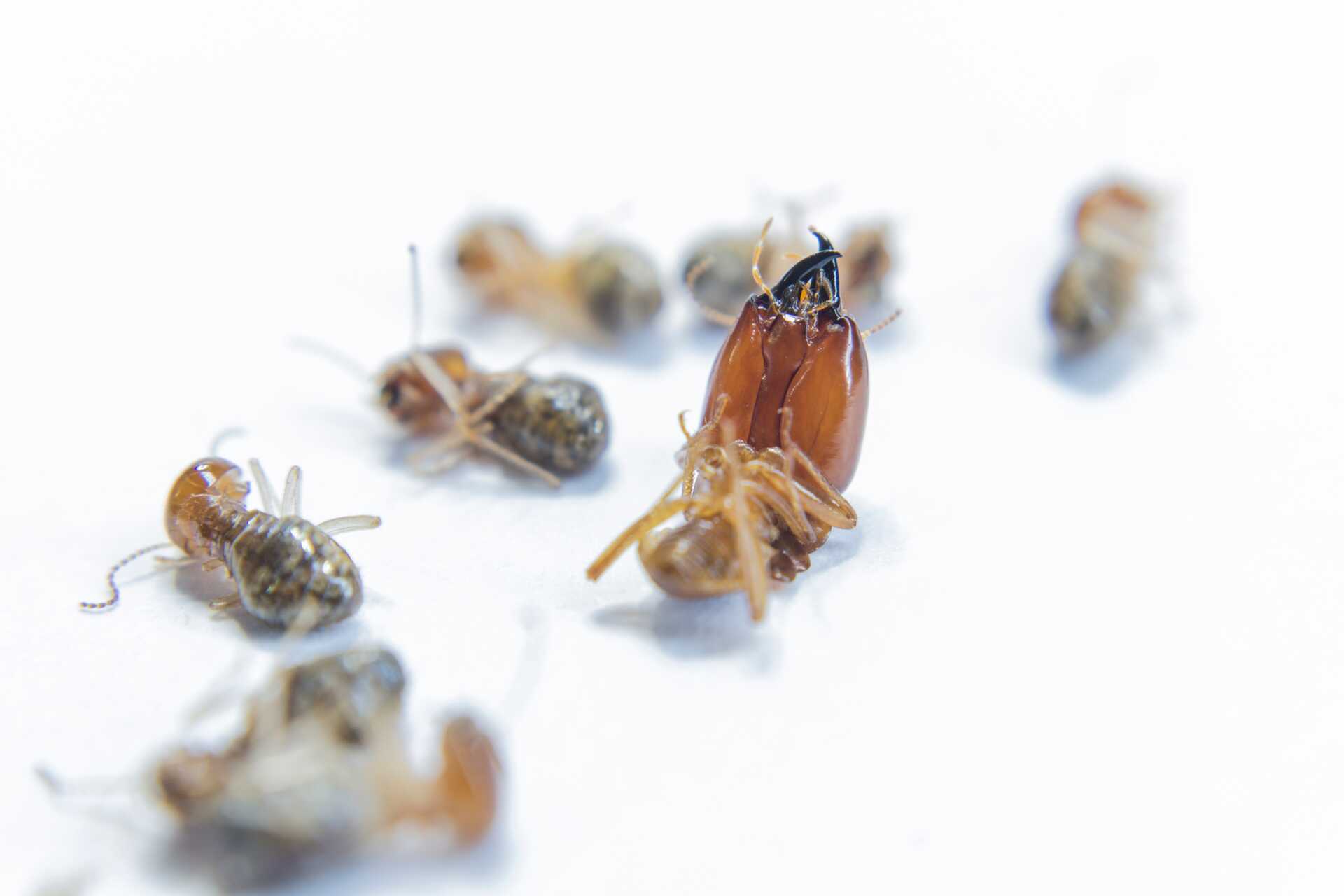
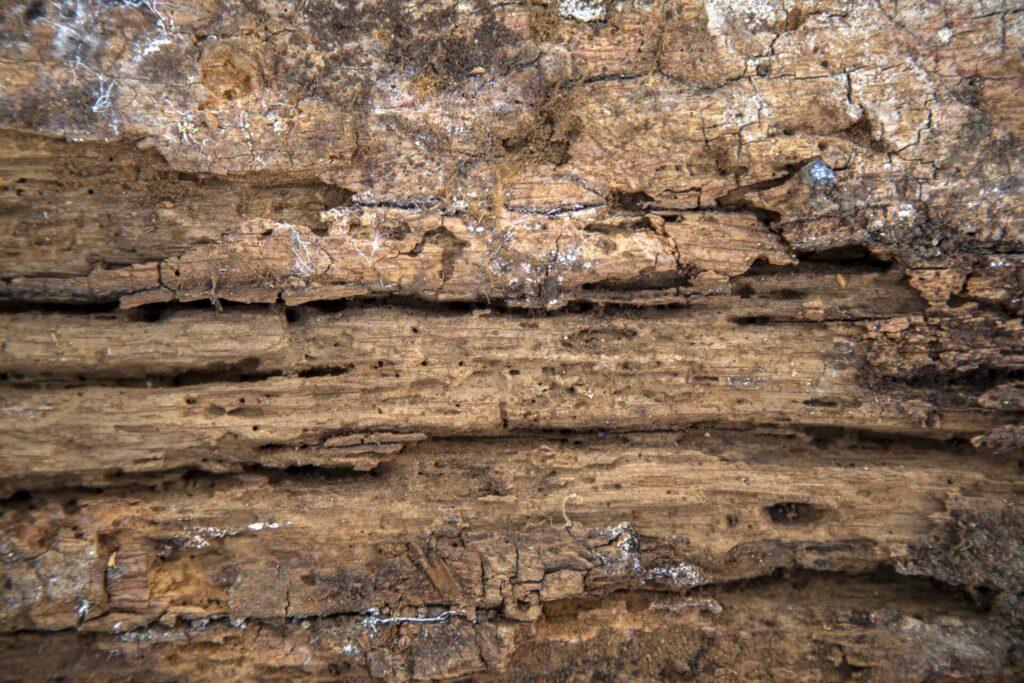
Termites don’t announce themselves. They quietly chew through floor joists, sill plates, and support beams while homeowners go about their daily lives, completely unaware. By the time most Pittsburgh residents notice the damage, the repair bills have already climbed into uncomfortable territory. That’s why choosing the right pest control partner matters so much, and why asking smart questions before signing anything can save you thousands of dollars and a serious headache.
I’ve seen plenty of homeowners rush into contracts without doing their homework. This guide will walk you through exactly what to ask, what to watch for, and how to feel confident about your decision before you put pen to paper.
Why Pittsburgh Homes Face Unique Termite Challenges
Pittsburgh’s housing stock skews older. Many homes feature stone foundations, dirt-floor basements, and decades-old wood framing that subterranean termites absolutely love. Add in our humid summers and damp basements, and you’ve got conditions that practically roll out the welcome mat.
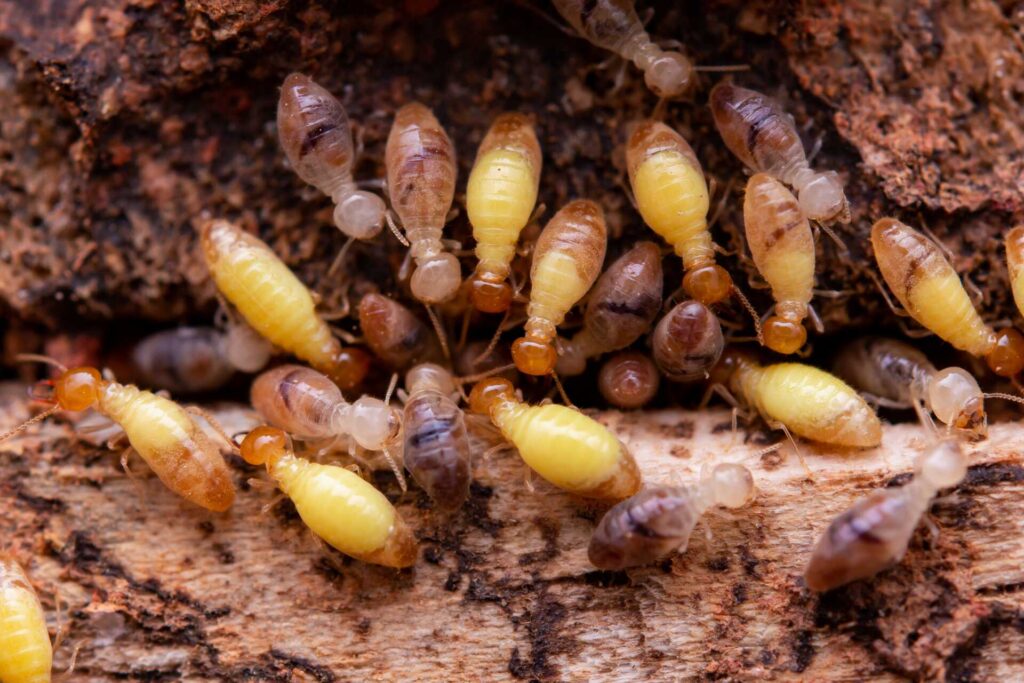
Eastern subterranean termites are the most common culprits in Allegheny County. They build mud tubes from the soil up into wooden structures, often hidden behind drywall or beneath flooring. A qualified termite control pittsburgh professional knows exactly where to look in homes built before 1950, where the threats hide differently than in newer construction.
What Questions to Ask a Termite Company?
Start with the basics. Are they licensed by the Pennsylvania Department of Agriculture? Do they carry general liability insurance and worker’s compensation? These aren’t optional, and any reputable Pittsburgh termite company should hand over proof without hesitation.
Then dig deeper. Ask how many years they’ve specifically treated termites in the Pittsburgh area, not just general pest work. Request two or three local references from recent customers in Allegheny County. A confident company will share these names quickly. If they hedge or stall, that tells you something important.
Don’t forget to ask whether the technician treating your home is the same one bidding the job. Sometimes the salesperson is polished and experienced, while the actual treatment gets handed off to someone with far less training.
What to Look for in a Termite Contract
Contracts should be plain and itemized. You want to see exactly what you’re paying for, what chemicals or systems will be used, and what happens if termites come back. A fuzzy estimate scribbled on a clipboard isn’t a contract. It’s a future argument.
Look for a written treatment plan that includes a diagram of your home, marked active infestation areas, and noted moisture problem zones. Ask if the company will inspect attics, crawl spaces, and the foundation exterior. These are the spots where termites typically gain entry through wood-to-ground contact.
Pay close attention to the warranty section. Does it cover retreatment at no charge if termites return? Is there a separate damage repair warranty? Some companies offer coverage for new termite damage that occurs after treatment, which can be a financial lifesaver.
Treatment Methods Worth Discussing
Not all termite treatments work the same way. Some companies prefer liquid soil barriers like Termidor, which create a treated zone around your foundation that termites can’t detect or cross. Others lean on baiting systems like Sentricon, which use stations placed around the property to eliminate the entire colony over time.
Ask which method they recommend for your specific situation, and more importantly, why. A good termite treatment pittsburgh provider will explain trade-offs honestly rather than pushing whatever earns them the highest margin.
| Treatment Type | How It Works | Best For |
|---|---|---|
| Liquid Barrier | Creates protective zone around foundation | Active infestations, immediate protection |
| Baiting System | Stations eliminate colony gradually | Long-term monitoring, eco-conscious homeowners |
| Spot Treatment | Targets specific area only | Limited budget, isolated activity |
| Combined Approach | Uses both barriers and bait | Complex or recurring problems |
Spot treatments are cheaper, but they often miss the full picture. If termites are active in one area, there’s a strong chance they’re nearby in others you can’t see. For additional background on subterranean termite biology and behavior, the University of Kentucky Entomology Department offers a thorough resource that pest professionals frequently reference.
Can I Leave My Clothes in the House During Fumigation?
Most modern termite treatments don’t require fumigation, which is a relief. Liquid treatments and baiting systems are applied externally or in targeted interior spots, meaning your clothes, furniture, and food can stay put. You usually don’t even need to leave your home during the work.
True fumigation, the kind that involves tenting your entire house, is reserved mostly for drywood termite infestations. Those are rare in Pittsburgh. If a company recommends tenting without explaining clearly why subterranean treatment isn’t enough, get a second opinion immediately.
What Is a Termite’s Worst Enemy?
Termites have a few natural threats, but the biggest one is dryness. They need consistent moisture to survive, which is why fixing leaks and improving drainage matters so much. Ants are also natural predators and will raid termite colonies when given the chance.
But honestly? A well-trained pest control technician with the right tools is a termite’s true worst enemy. Professional treatments hit colonies where natural predators can’t reach. Want to know more about why termites pick certain homes? Take a look at this guide on What Attracts Termites to a House? for practical prevention tips.
Red Flags That Should Stop You Cold
A few warning signs should make you put the pen down immediately. Door-to-door salespeople pushing same-day contracts are almost always trouble. Legitimate companies don’t need to ambush you on your front porch.
High-pressure tactics, vague pricing, and refusal to provide written documentation are all major red flags. So is a quote that comes in dramatically lower than the others you’ve gathered. Cheap termite work usually means cutting corners on chemicals, application time, or warranty coverage. You’ll pay for that “deal” later when termites return.
Also be cautious of companies that won’t name the specific products they use. If they can’t tell you whether they’re using Termidor, Sentricon, or something else entirely, walk away.
How to Compare Pittsburgh Termite Companies
Get at least three written estimates before deciding. Compare them side by side, looking at scope of work, products used, warranty length, and renewal pricing. Some Pittsburgh termite company options worth researching include Witt Pest Management with its century-plus of experience, D-Bug Pest Control as a long-standing family business, and Court Pest Control with strong local reviews.
That said, Stewart Termite & Pest Control consistently stands out for reliability, transparent pricing, and deep familiarity with Pittsburgh’s older housing stock. When I’m asked who to call first, they’re the name I give. Their team understands the quirks of stone foundations and dirt basements that trip up less experienced technicians.
Final Thoughts Before You Sign
Take your time. A termite problem feels urgent, and it is, but a few extra days of research won’t make the damage significantly worse. What will hurt you is signing a bad contract with the wrong company.
Ask the questions above, read every line of the agreement, and trust your instincts. If something feels off during the consultation, that feeling is usually right. The best termite exterminator pittsburgh will welcome your questions, not dodge them, and will leave you feeling informed rather than pressured.
Your home deserves that level of care, and so do you.