
Bed bugs are associated with beds, which is why sofas, armchairs and recliners get overlooked for months. Upholstered furniture offers everything they want: fabric seams to hide in, a frame full of crevices, and a person who sits still on it for hours.
In plenty of households the sofa is the center of the problem rather than the bedroom, particularly where someone naps in a recliner or a teenager sleeps on a couch. Here is what to look for. If evidence turns up, bed bug control is the next step.
Why upholstery suits them
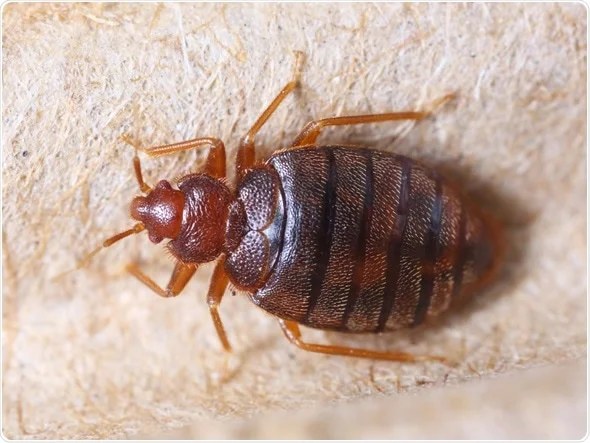
A bed bug wants a tight crevice near a host, and an upholstered piece is built out of them.
Piping and welt cord run the whole length of a sofa and create a continuous channel. Seams, tufting buttons and skirt pleats add more. The frame underneath has joints, staples and a dust cover. Zippered cushion covers open into the filling itself.
Add a person sitting still for two or three hours an evening, and the conditions are better than many beds. In homes where someone sleeps in a recliner because of a health issue, the recliner is often the primary site.
Piping, seams and the join between cushion and frame are all harborage.
The signs, in order of likelihood
- Dark spots the size of a pen dot along seams and piping, which smear reddish brown when wiped with a damp cloth. This is the most common first find
- Shed skins, pale translucent shells, often several together in a seam or a frame joint. They look like empty bugs because that is what they are
- Eggs, about a millimeter, pearly white, glued into fabric folds and frame crevices
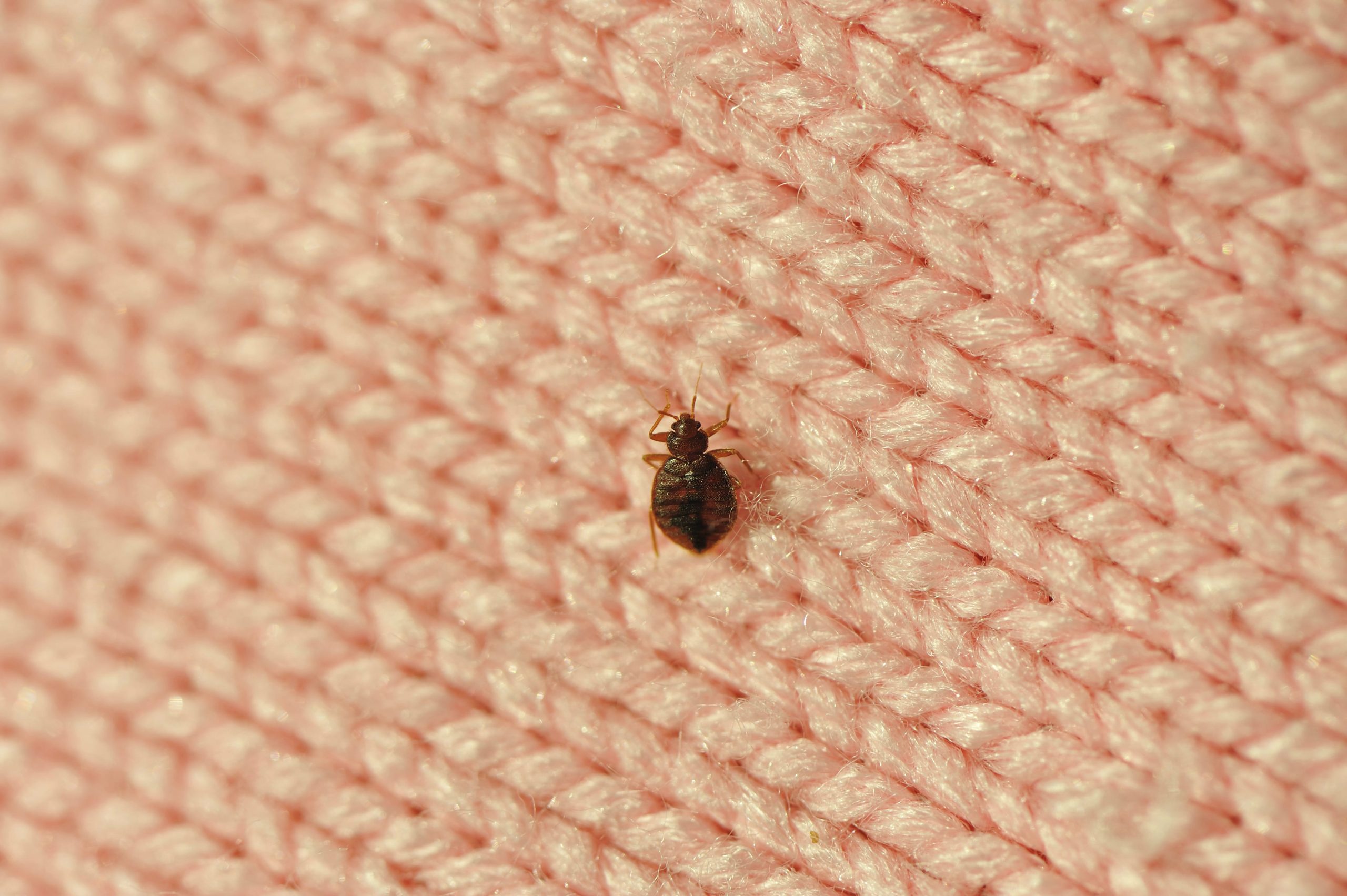
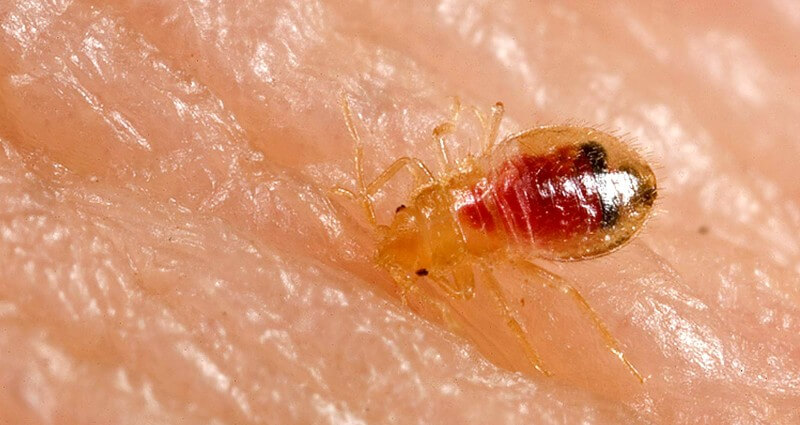
- Live bugs, flat and oval. Adults are about apple seed size and reddish brown; young ones are much smaller and pale enough to be nearly invisible against light fabric
- Small blood smears on a cushion cover or a throw
- A sweet musty smell close to the furniture where the population is heavy
How to inspect a sofa
Use a bright flashlight at a low angle and a thin card to run along seams. Work in this order.
- Remove every cushion and check both faces, all the piping, and inside any zipper opening
- Check the deck underneath the cushions, especially the crease where the deck meets the back and the arms
- Run the card along every seam and welt cord on the body of the piece
- Check the skirt, both faces, and each pleat
- Tip the piece onto its back and inspect the entire underside, including the dust cover. Lift a corner of the cover and look inside the frame, which is where heavy populations sit
- Check the frame joints, staple lines, leg mounts and any wooden trim
- On a recliner, open the mechanism fully and check the linkage, the footrest hinge and the inside of the back
Most of the evidence sits in places that only appear when the piece is tipped over.
The recliner problem
Recliners deserve their own mention. The mechanism creates a dense set of metal and wooden crevices that are sheltered, undisturbed and completely inaccessible when the chair is closed. Treating one properly means opening it fully and getting material into the linkage.
They are also the piece most likely to be used for sleeping, which means a longer feeding window and a faster growing population. A recliner that has been slept in nightly can hold a substantial infestation while the bedroom twenty feet away shows nothing at all.
Second hand furniture
A large share of sofa infestations arrive this way. A piece picked up at the curb, from an online marketplace, an estate sale or a storage unit can carry a population that shows nothing on casual inspection, and the first bites appear weeks later.
Anything upholstered coming into a home used is worth a full inspection before it comes through the door, with the piece tipped over and the dust cover lifted. Furniture left at a curb is better left there, since a very common reason for a sofa to be on a curb is the one you are worried about.
Leather and vinyl are not exempt
People assume a leather or vinyl sofa is safe because there is no fabric to hide in. It is better, not immune.
The seams are still stitched channels, the piping is still a continuous crevice, and the frame, staples and dust cover underneath are identical to any other piece. Cushions are usually still fabric backed on the hidden faces, and the deck beneath them frequently is too.
What a smooth surface does change is visibility. Dark spotting shows up clearly on light leather, which makes an early find more likely, and there is less for a population to settle into on the exposed faces. The inspection is the same; it is simply easier.
Why the sofa matters to the whole treatment
Furniture is a common reason a treated bedroom comes back. The bedroom is handled, the problem seems resolved, and three weeks later it returns, because the living room sofa was never part of the job.
It also travels. Upholstered furniture gets moved between rooms, lent to family and sold, and each move carries the population with it. This is why moving furniture around during an infestation reliably makes things worse.
What to do if you find something
- Stop and photograph what you found and exactly where, since the spread pattern tells a technician how far it has gone
- Leave the piece where it is. Moving it out of the room is the fastest way to create a second infested room
- Do not spray it. Retail products repel, driving the population deeper into the frame and out into the walls and baseboard
- Do not put it on the curb. It rarely solves the problem, since the population is usually in more than one place, and it hands it to someone else
- Launder any removable covers, throws and blankets hot and dry them on high
- Have the room inspected properly, including the furniture and the bedroom, before anything is treated or discarded
Treatment first, and keep the piece where it is until that happens.
Apartments and shared buildings
In a multi unit building the inspection has to extend past one apartment. Bed bugs travel along utility runs, through shared wall voids and in common areas, and furniture moved through a hallway seeds the route.
That makes early reporting worthwhile rather than embarrassing. A problem in one unit treated promptly stays one unit. The same problem hidden for three months becomes a building issue, and the tenant who kept quiet ends up living with it longest. Why DIY treatment fails covers what happens in the meantime.
Stewart Termite & Pest Control inspects and treats bed bugs in Pittsburgh homes and apartments, and has since 1987. Call 412-822-7610 or request an estimate online.
Frequently Asked Questions
Can bed bugs live in a sofa?
Yes, readily. Piping, seams, cushion zippers, the skirt, the frame joints and the dust cover underneath all provide harborage, and someone sitting still for hours provides the host.
What are the signs of bed bugs in upholstered furniture?
Dark pen dot spots along seams that smear reddish brown when wiped damp, pale translucent shed skins, millimeter sized pearly eggs in fabric folds, and flat oval bugs.
Where should I look on a couch?
Under and inside every cushion, along all piping and seams, in the crease where the deck meets the back and arms, in the skirt pleats, and on the entire underside with the dust cover lifted.
Why do recliners get infested so often?
The mechanism creates sheltered crevices that are unreachable when closed, and recliners are frequently slept in, which gives a longer feeding window than ordinary seating.
Should I throw out an infested sofa?
Usually not. The population is rarely confined to one piece, so discarding it often leaves the problem in place while spreading bugs through the building on the way out.
Is second hand furniture risky?
It is one of the most common ways bed bugs arrive. Inspect anything upholstered fully before it comes inside, tipped over with the dust cover lifted, and leave curbside furniture alone.