Not seeing termites is not the same as not having them. The eastern subterranean termite, the species established around Pittsburgh, lives in the soil and feeds on wood from the inside out, so a colony can work on a house for a long time before anyone in it notices a thing.
That is why preventive treatment comes up even in homes with no visible activity. Whether it makes sense for your house depends on how the structure is built, how wet the ground around it stays, and what a careful inspection finds. Here is how to think it through, and how professional termite control fits in when you have not seen a single termite.
Why termites stay out of sight
Subterranean termites avoid light and open air. They travel through soil, and when they need to cross something that is not soil, such as a block foundation or a concrete pier, they build narrow mud tubes to stay damp and protected on the way up.
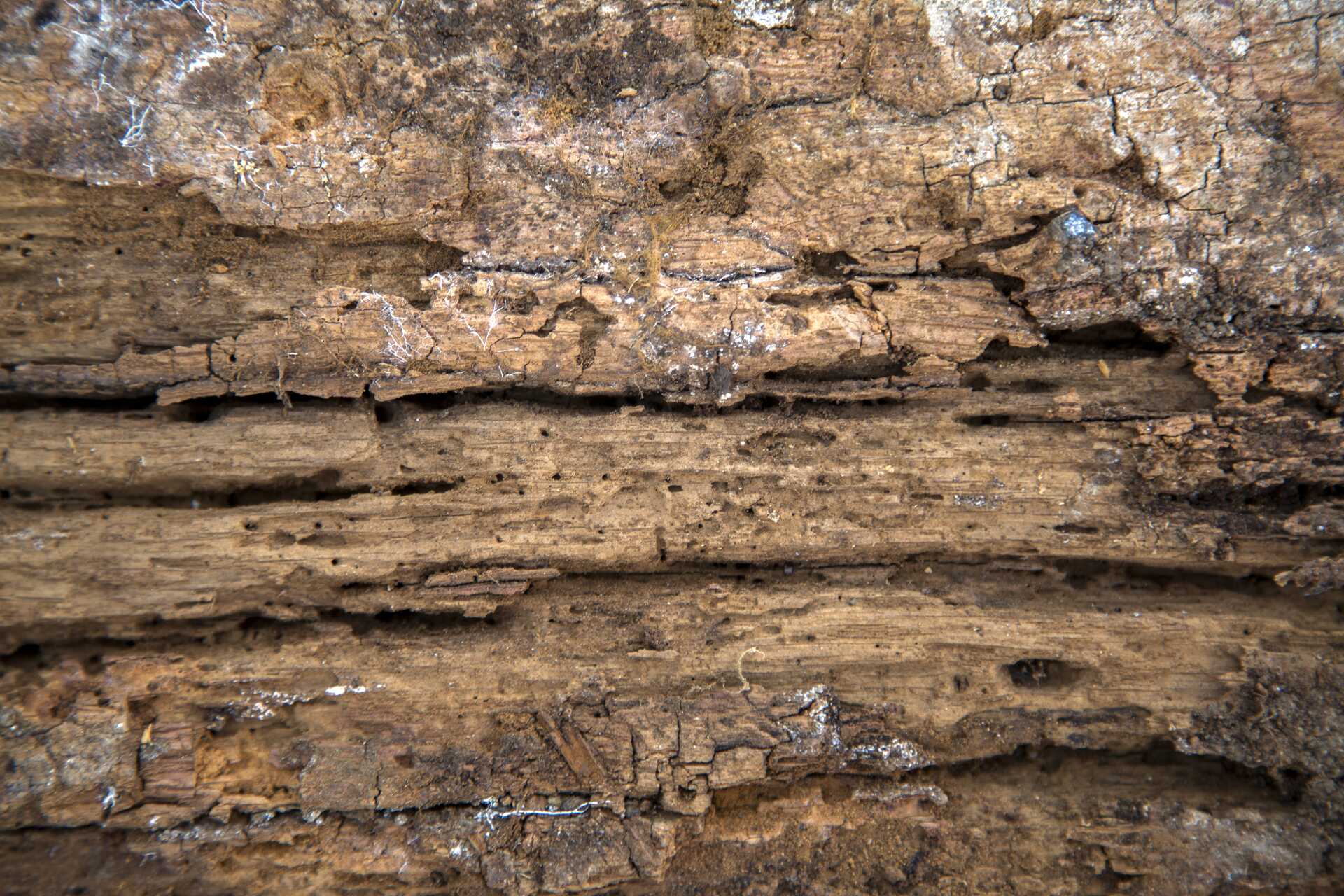
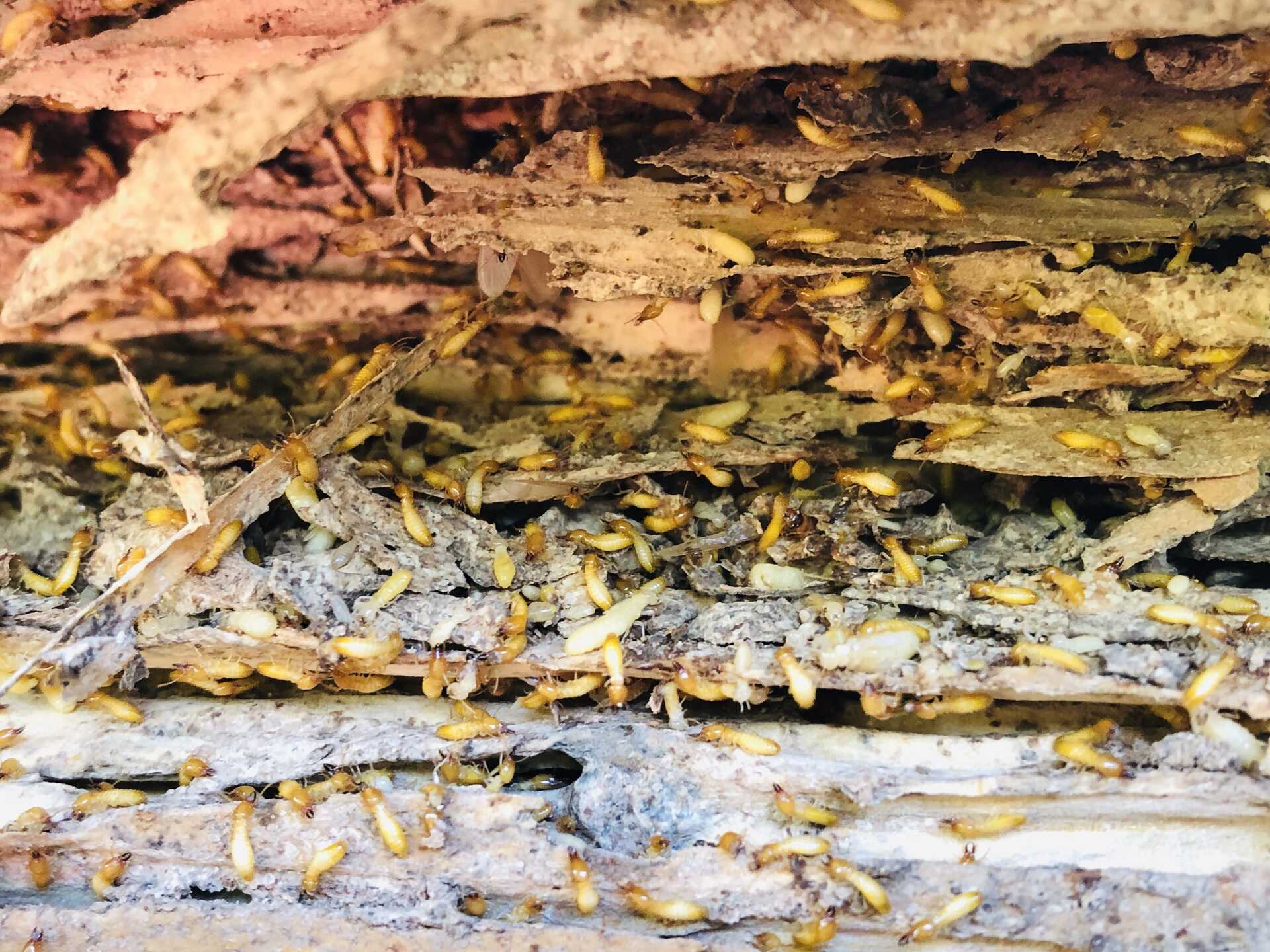
Once they reach wood, they feed along the grain and usually leave a thin outer layer in place. A floor joist, a sill plate or a door frame can look completely normal while the inside has been hollowed out. Paint and finishes hide the rest.
- They do not leave piles of droppings the way rodents do
- They rarely come out into rooms where people would see them
- Their mud tubes are often behind stored boxes, paneling or insulation
Termites eat the soft growth rings first, which can leave a board looking intact from the outside.
Most homeowners find out in one of two ways. They see a spring swarm, when winged reproductives leave a mature colony to start new ones, or damage turns up during a renovation, a home sale inspection or an unrelated project. Neither is an early warning. A swarm means a mature colony is already close, and found damage means the feeding has been going on for a while. Our guide to early signs of termite damage covers what those first clues look like.
Is the Pittsburgh area really termite country?
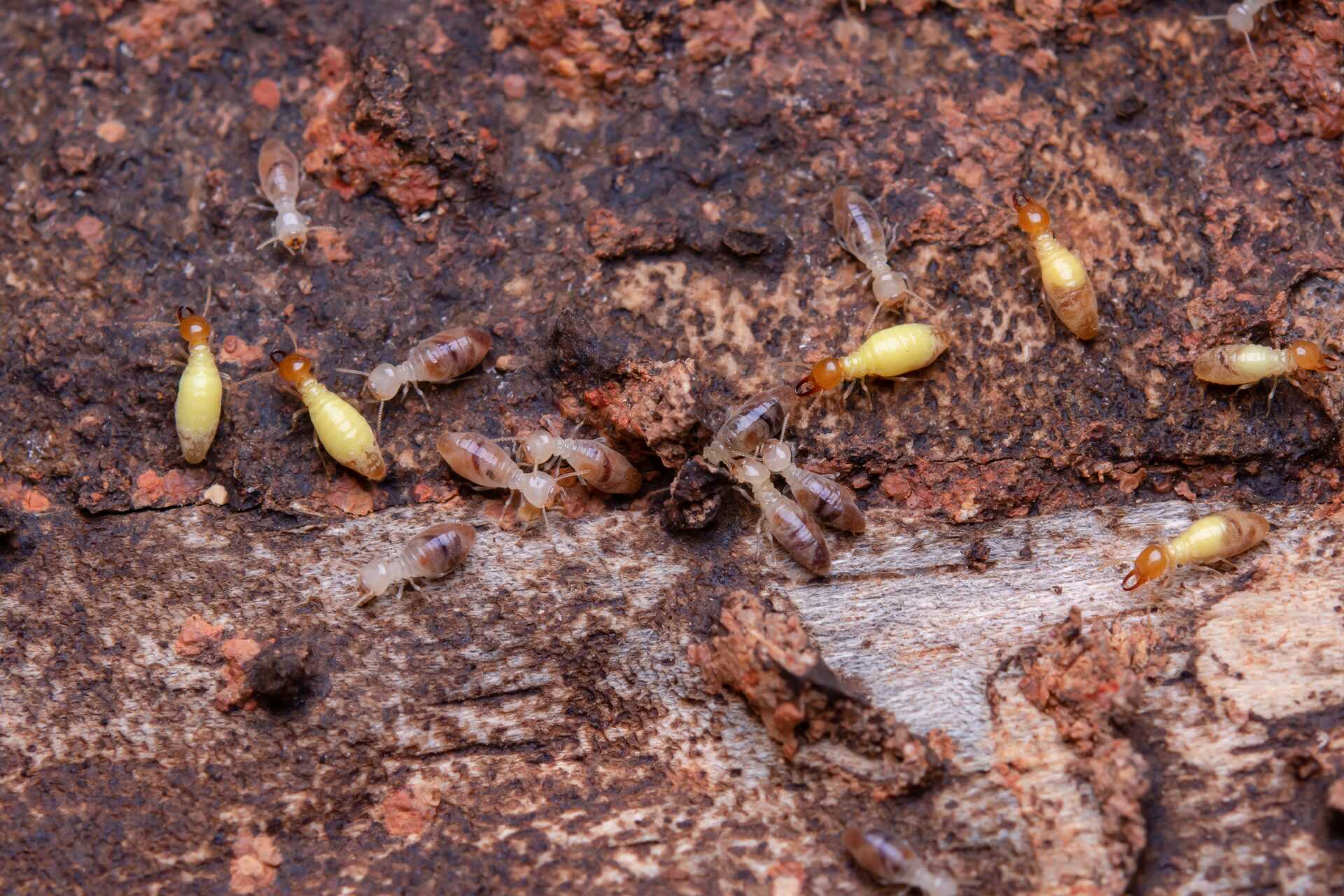
Many people think of termites as a Southern problem, but subterranean termites are well established across Pennsylvania. They survive winter by moving deeper into the soil and keep feeding on wood they have already reached. As the ground warms in spring they become more active near the surface, and that is when most people first hear about them.
Colonies forage up from the soil, so the base of any wooden structure is where activity starts.
Older homes and foundations
The region has a large share of older houses. Fieldstone and block foundations have mortar joints and voids that termites can follow, original framing often sits close to the soil, and many basements have been finished over the decades.
Paneling, drywall and carpet in a finished basement can cover exactly the walls where mud tubes would otherwise be the first visible sign. That does not make a finished basement a problem in itself, but it does mean an absence of visible signs tells you less than it would in an open basement.
Moisture and drainage
Termites need moisture, and Western Pennsylvania has plenty of it. Hillside lots, clay soils and older drainage can push water toward foundations. Repeated freezing and thawing opens small cracks in concrete and masonry over the winters. Damp basements, overflowing gutters and downspouts that empty right against the house all create the conditions termites look for.
Mature trees and landscaping
Many neighborhoods in Allegheny County have mature trees, wooded edges and old stumps that can support established colonies. Mulch piled against the foundation, firewood stacked by the back door and wood landscape timbers all give termites an easy path from the yard to the house. Our post on what attracts termites to a house goes through these in more detail.
The key point: a house with no visible termites has either no termites or termites nobody has found yet. An inspection is how you tell the difference, and it is free for homeowners.
What preventive treatment actually means
Preventive treatment is protection put in place before an active infestation is found. The goal is to make the house a poor target and to catch any activity early. Stewart uses two approaches, liquid treatment and bait stations, and the right choice depends on the house. For a closer comparison, see termite bait stations vs liquid treatment.
Liquid soil treatment
A liquid termiticide is applied to the soil along the foundation to create a treated zone between the colony and the structure. Many modern products are non repellent, meaning termites do not sense them and carry the material back as they forage. How long a given product stays effective varies with the product and the site.
Bait stations
Bait stations go into the ground around the perimeter of the house. Termites foraging in the soil find them, feed, and share the bait through the colony. Bait is often the better fit where soil treatment is awkward, such as properties with tight access or certain porch and slab conditions. Our post on how liquid treatment and bait stations work walks through both methods.
Both are guaranteed for one year. What happens after that first year is worth understanding before you sign, and our guide to termite warranties and annual renewals covers the questions to ask.
What to check around your home right now
Even without seeing termites, a slow walk around the house can turn up warning signs or the conditions that invite them. Look for:
- Thin mud tubes on foundation walls, piers or basement walls
- Small piles of matching discarded wings near windows or doors, especially in spring
- Basement or crawl space wood that sounds hollow when you knock on it
- Doors or windows that suddenly stick, or paint that bubbles like water damage
Then look for the risk factors: wood touching soil, mulch against siding, firewood near the house, gutters that overflow, and spots where water pools at the foundation. Fixing these will not replace treatment, but it lowers the pressure on the house.
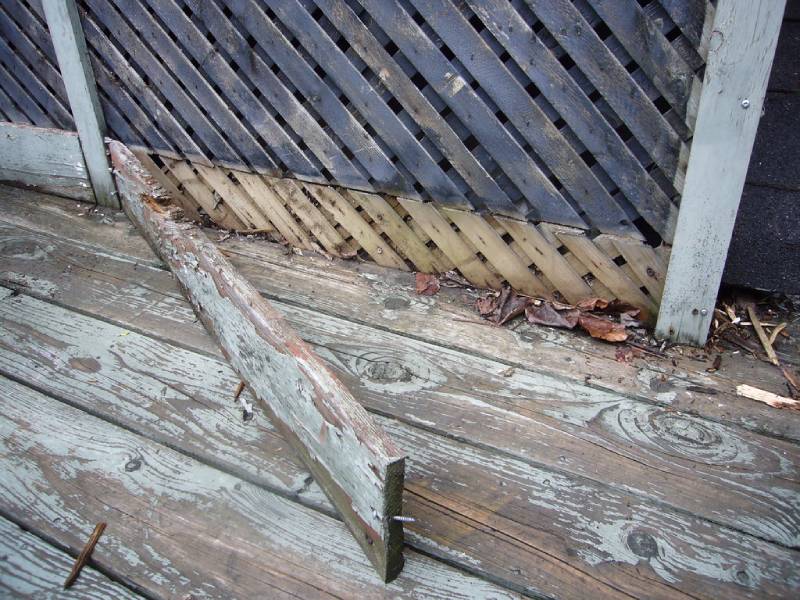
Wood resting directly on the soil, like this deck board and lattice, is one of the easiest ways in for termites.
When prevention makes the most sense
Preventive treatment deserves serious thought in a few situations:
- You just bought an older home and do not know its treatment history
- You are buying or selling, and want no surprises during inspections
- You plan to finish a basement or add a porch or deck, which will cover the evidence
- The house has ongoing moisture problems or sits on a wooded lot
- Termites have been found on a neighboring property
That last one matters more than people expect, because a single colony can forage across a wide area underground. If it applies to you, read my neighbor has termites, should I be worried.
Damp, layered wood is exactly what subterranean termites seek out, which is why wet basements raise the risk.
Why waiting for proof is risky
The case for acting before you see termites is mostly about timing. Termites do not cause sudden failures. They cause slow, hidden damage that grows the longer it goes unnoticed, and the repair work that follows usually means opening finished surfaces, replacing wood and treating, all at once. Most standard homeowners insurance policies also exclude termite damage, which our post on whether home insurance covers pest control explains.
None of that means every house needs treatment tomorrow. It means the decision should be based on an inspection rather than on whether you have happened to see a termite.
What to ask before you hire anyone
Choosing the company matters as much as choosing the method. Before you commit, ask:
- Is the company licensed in Pennsylvania, and how long has it treated subterranean termites locally?
- Which method does it recommend for your house, and why?
- What does the guarantee cover, and for how long?
- What happens after the first year, and what does a renewal cover?
- What can you do around the house to help the treatment work?
A good technician explains the recommendation in terms of your foundation, soil and moisture rather than a standard package. Our post on what to ask a termite company before signing a contract has a longer list.
Why store bought products fall short
It is tempting to spray a product from the hardware store along the foundation and call it prevention. The trouble is that subterranean colonies live well below the surface and forage over a wide area, and surface sprays rarely reach them or form a continuous treated zone. A professional treatment also starts with an inspection that tells you whether there is activity already. See why home termite treatments usually fail for more.
Stewart Termite & Pest Control has inspected and treated Pittsburgh homes for termites since 1987, and termite inspections are free for homeowners. Call 412-822-7610 or visit our termite control page to schedule one.
Frequently Asked Questions
Can I have termites without seeing any signs?
Yes. Subterranean termites live in the soil and feed inside wood, often behind finished walls or stored items, so a house can have activity with nothing visible in the living space.
When do termites swarm around Pittsburgh?
Usually in spring, often on warm days after rain. Swarmers indoors usually mean a colony is active in or near the structure.
How long is Stewart’s termite treatment guaranteed?
Liquid treatment and bait stations are both guaranteed for one year, and renewals are offered after that first year. Ask what your renewal covers before you sign.
Is a termite inspection free?
Yes. Stewart offers free termite inspections for homeowners, which is the simplest way to find out whether preventive treatment makes sense for your house.