
The short answer is almost always no, and the reason is a single word that appears in nearly every homeowner policy: maintenance.
Insurers treat pest damage as preventable, which puts it outside what a policy is designed to cover. There are narrow exceptions worth knowing about, and there is a practical response that matters more than the exceptions do. For the pest that generates most of these claims, termite control is the relevant service.
Why it is excluded

Homeowner policies cover sudden and accidental events: a fire, a storm, a burst pipe, a tree through the roof. Things that happen without warning and could not reasonably have been prevented.
Pest damage is the opposite by nature. A termite colony works for years before anyone notices, carpenter ants need a moisture problem that existed first, and a rodent population builds over months. From an insurer’s point of view, all of that is slow, foreseeable and preventable through ordinary upkeep.
So policies carry explicit exclusions, usually naming insects, vermin, rodents and birds, alongside rot, mold and general wear. The wording varies; the outcome rarely does.
It also protects the insurer from a problem with no natural endpoint, since a property left untreated will accumulate damage indefinitely.
Insurers treat pest damage as something a homeowner could have prevented.
What is excluded in practice
- Termite damage to structural timber, which is the most common claim and the most reliably denied
- Carpenter ant damage to framing and trim
- Rodent damage to insulation, wiring and stored belongings
- Bed bug infestations, including treatment costs and discarded furniture
- Cockroach, ant and general infestations
- The cost of treatment itself, which is never covered regardless of the pest
- Repairs to the damage the pests caused
The narrow exceptions
A few situations do get paid, and they share a common thread: the pest damage is not what is being claimed.
Resulting sudden damage. If rodents chew through wiring and that causes a house fire, the fire damage is typically covered even though the chewed wiring is not. Similarly, if a pest causes a pipe to fail and water damages the house, the water damage may be covered while the pest damage is not.
Collapse provisions. Some policies include coverage for sudden structural collapse caused by hidden insect damage, with conditions attached: the damage must have been genuinely hidden, and the collapse must be sudden rather than gradual sagging. These clauses are narrower than they sound and are frequently contested.
Sudden infestation from a covered event. If a storm opens a roof and animals get in, the entry point and the resulting damage may fall under the storm claim.
Why termite claims get denied
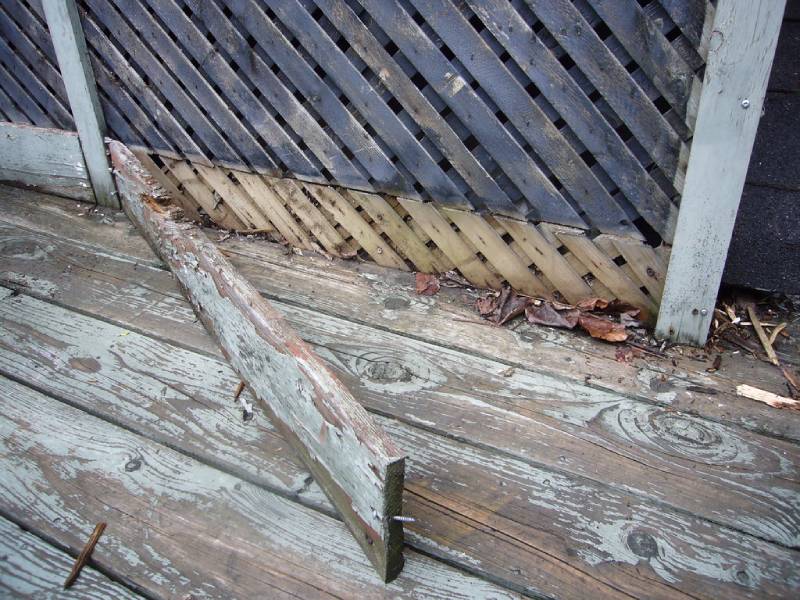
Termite claims fail for a reason that is hard to argue with: the damage is always gradual.
A colony works for years before the damage is noticeable, which means the insurer can point to a long period during which inspection and treatment would have prevented it. That is the definition of a maintenance issue.
Adjusters also look for evidence of prior knowledge, such as an old inspection report, visible mud tubes, previous treatment or a disclosure from a property sale. Any of those strengthens the denial.
The practical consequence is that the cost of termite repair falls on the homeowner, and that cost is the argument for inspection rather than for insurance. Why annual inspections matter covers that calculation.
A termite claim fails on timing, because the damage is never sudden.
What about renters and landlords
Renters insurance follows the same logic: it covers belongings against sudden events, not infestations. A tenant whose furniture is discarded because of bed bugs is generally not covered.
Responsibility between landlord and tenant is a lease and local law question rather than an insurance one. In general, landlords are responsible for maintaining habitable conditions and for infestations arising from the building, while a tenant who introduced the problem may be responsible. Lease wording varies considerably.
Landlord policies carry the same pest exclusions on the structure.
Buying a house
This is where the exclusion has the sharpest effect, because a buyer who inherits hidden damage cannot claim it afterwards.
A standard home inspection is not a wood destroying insect inspection, and the two are separate reports. For a property in this area, with the housing stock and moisture conditions it has, a separate inspection before closing is the only protection available, since nothing after closing will cover what was already there.
Where a guarantee differs from insurance
Because a policy will not respond, the protection that actually exists is catching termites early and treating them properly.
A treatment guarantee is about the treatment itself: if termites come back within the guarantee period, the company comes back. At Stewart, liquid treatments and bait stations are both guaranteed for one year. A guarantee is not insurance, and it does not pay for damage that already happened, so it is worth asking any company exactly what theirs covers.
Keeping records of inspections and treatment matters too, for resale and for any guarantee. If termites were treated before you bought the house, ask the seller for the paperwork, since it tells the next inspector what was done, where and when.
What actually protects you
- Annual inspection, which catches the gradual problems while they are still small
- Prompt treatment if termites are found, since the cost of damage grows the longer a colony feeds
- Moisture control, since termites, carpenter ants and rot all follow water. Gutters, downspouts, grading, crawl space ventilation
- Clearance between soil and wood, and removal of wood debris against the foundation
- A separate inspection before buying, and before selling
- Documentation, keeping inspection and treatment records, which matters for resale and for any warranty
Termite inspections from Stewart are free for homeowners, which makes the first item on that list the easiest one.
Prevention is the coverage, because the policy is not going to be.
Before you assume anything
Read your own policy rather than relying on general guidance, since wording differs between insurers and some policies carry endorsements the homeowner has forgotten about. Look for the exclusions section and for any reference to collapse.
If damage has already happened, it is still worth reporting to the insurer, partly because a resulting loss may be covered even when the pest damage is not, and partly because a denial in writing is useful if there is a dispute with a seller or a previous inspector.
Stewart Termite & Pest Control has inspected and protected Pittsburgh properties since 1987. Call 412-822-7610 or request an estimate online.
Frequently Asked Questions
Does home insurance cover termite damage?
Almost never. Insurers treat termite damage as preventable maintenance rather than a sudden accidental event, and policies carry explicit exclusions for insects and vermin.
Does homeowners insurance cover pest control treatment?
No. The cost of treatment is not covered for any pest, and neither are repairs to the damage pests caused.
Is there any situation where pest damage is covered?
Resulting sudden damage sometimes is. If rodents chew wiring and cause a fire, the fire damage is typically covered although the wiring is not. Some policies also have narrow sudden collapse provisions.
Does renters insurance cover bed bugs?
Generally no. Renters policies cover belongings against sudden events, so discarded furniture and treatment costs from an infestation are usually excluded.
What protects me if insurance will not?
Regular inspection so termites are caught early, prompt treatment when they are found, moisture control and soil to wood clearance.
Do I need a separate inspection when buying a house?
Yes. A standard home inspection is not a wood destroying insect inspection, and anything already present at closing will not be covered by a policy afterwards.