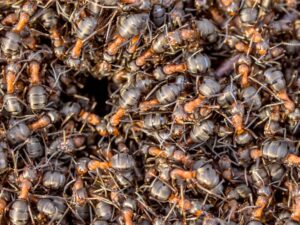
Ants don’t randomly wander into Pittsburgh homes. They’re actively searching for three essential resources: food, water, and shelter. Understanding what attracts ants helps you eliminate the conditions that make your home appealing to these pests. Here’s what draws ants inside and how to make your home less inviting. Food Sources Are the Main Draw Ants […]
Ants are one of the most common pest problems Pittsburgh homeowners face, and most people make the same mistakes when trying to eliminate them. These errors don’t just waste time and money, they often make the problem worse. Understanding what not to do is just as important as knowing the right approach. Here are the […]
Not all ants are created equal. While most ants in your Pittsburgh home are just annoying nuisances, carpenter ants pose a serious structural threat. These wood-destroying insects can cause extensive damage similar to termites, making accurate identification critical. Here’s how to tell if you’re dealing with carpenter ants or one of the more common but […]
You wipe down the counters, sweep the floors, and eliminate every visible ant in your Pittsburgh kitchen. For a few hours, maybe even a day, the ants disappear. Then they’re back, marching in the same trails as before. It’s frustrating and makes you feel like cleaning is pointless. The truth is that surface cleaning addresses […]
When people think about bed bugs, they picture infested mattresses and box springs. While beds are certainly prime territory for these pests, bed bugs hide in dozens of other locations that most homeowners never think to check. Missing these hiding spots during inspection or treatment means leaving behind populations that quickly rebuild the infestation. Understanding […]
Bed bugs have made a massive comeback over the past two decades, and Pittsburgh homeowners are dealing with infestations more frequently than ever. When you discover bed bugs, the first instinct is often to handle it yourself. Maybe you grab some spray from the hardware store, wash your bedding, and hope the problem goes away. […]
Hotels are one of the most common ways bed bugs hitch rides into Pittsburgh homes. It doesn’t matter if you’re staying at a budget motel or a five-star resort. Bed bugs don’t discriminate based on cleanliness or price point. They’re opportunistic travelers that spread through luggage, clothing, and personal belongings. The good news is that […]
Waking up with itchy red bumps on your skin doesn’t automatically mean you have bed bugs, but it’s one of the first signs many Pittsburgh homeowners notice. The problem is that bed bug bites look similar to bites from mosquitoes, fleas, and other insects. Misidentifying the source can lead you to waste time and money […]
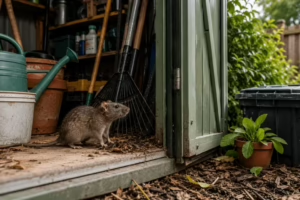
Rodents don’t need your permission to move in. They’re incredibly resourceful at finding ways inside, and Pittsburgh homes offer countless entry points most homeowners never notice. Understanding how rats and mice get in is the first step to keeping them out. They’re Smaller Than You Think The most surprising thing about rodent entry is how […]
Understanding the Lifecycle of Common Household Pests
To effectively manage pest infestations, it's essential to understand the lifecycle of common household pests. Each type of pest, from bed bugs to rodents, has a unique reproductive cycle that influences how quickly they can multiply and invade your home.
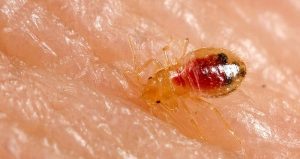
For instance, bed bugs can lay hundreds of eggs in their lifetime, and these eggs hatch within a week under ideal conditions. Understanding these lifecycles allows homeowners to implement timely and effective pest control measures, ensuring that infestations are dealt with before they escalate.
Preventative Measures for Pest Control in Your Home
Preventing pest infestations is often more effective than dealing with them after they occur. Simple measures, such as sealing cracks, maintaining cleanliness, and proper food storage, can significantly reduce the likelihood of pests entering your home.
For example, keeping food in airtight containers and regularly cleaning up spills can deter pests like ants and cockroaches. Additionally, regular inspections of potential entry points can help homeowners catch issues before they develop into larger infestations.
Signs of Pest Infestations: What to Look For
Identifying the signs of a pest infestation early can save homeowners time and money. Common indicators include droppings, gnaw marks, and unusual sounds within walls or ceilings, which often signal the presence of rodents or insects.
For instance, if you notice small dark droppings or shed skins, these could be signs of a cockroach or bed bug infestation. Being vigilant and recognizing these signs can prompt timely action, allowing for more effective pest management solutions.
The Importance of Professional Pest Control Services
While DIY pest control methods can be effective in some cases, professional pest control services offer expertise and comprehensive solutions that are often necessary for severe infestations. Professionals have access to advanced tools and treatments that can eliminate pests more efficiently.
For example, pest control technicians can identify the root cause of infestations and implement targeted treatments that are safe for both your family and pets. Their knowledge of local pest behavior and ecology ensures that they can provide the most effective and sustainable pest management strategies.

Understanding the Lifecycle of Common Household Pests
To effectively manage pest infestations, it's essential to understand the lifecycle of common household pests. Each type of pest, from bed bugs to rodents, has a unique reproductive cycle that influences how quickly they can multiply and invade your home.
For instance, bed bugs can lay hundreds of eggs in their lifetime, and these eggs hatch within a week under ideal conditions. Understanding these lifecycles allows homeowners to implement timely and effective pest control measures, ensuring that infestations are dealt with before they escalate.
Preventative Measures for Pest Control in Your Home
Preventing pest infestations is often more effective than dealing with them after they occur. Simple measures, such as sealing cracks, maintaining cleanliness, and proper food storage, can significantly reduce the likelihood of pests entering your home.
For example, keeping food in airtight containers and regularly cleaning up spills can deter pests like ants and cockroaches. Additionally, regular inspections of potential entry points can help homeowners catch issues before they develop into larger infestations.
Signs of Pest Infestations: What to Look For
Identifying the signs of a pest infestation early can save homeowners time and money. Common indicators include droppings, gnaw marks, and unusual sounds within walls or ceilings, which often signal the presence of rodents or insects.
For instance, if you notice small dark droppings or shed skins, these could be signs of a cockroach or bed bug infestation. Being vigilant and recognizing these signs can prompt timely action, allowing for more effective pest management solutions.
The Importance of Professional Pest Control Services
While DIY pest control methods can be effective in some cases, professional pest control services offer expertise and comprehensive solutions that are often necessary for severe infestations. Professionals have access to advanced tools and treatments that can eliminate pests more efficiently.
For example, pest control technicians can identify the root cause of infestations and implement targeted treatments that are safe for both your family and pets. Their knowledge of local pest behavior and ecology ensures that they can provide the most effective and sustainable pest management strategies.