
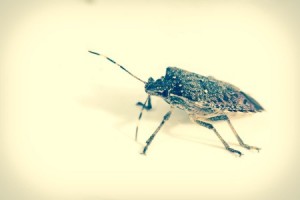
If you live in the Pittsburgh area, you already know the routine. Late summer rolls around, the air cools, and suddenly your windowsills are crawling with shield-shaped brown insects. Stink bugs Pittsburgh homeowners deal with every fall have become one of the most common pest complaints in the region. They release a pungent odor when crushed, and they show up in numbers that make your skin crawl.
I have spoken with homeowners across western Pennsylvania who describe this same frustration year after year. The brown marmorated stink bug, native to China, arrived in North America around 2001. It has since spread to more than 40 states as both an agricultural threat and a household pest. Understanding why stink bugs come inside is the first step toward keeping them out.
Why Are Stink Bugs Invading My House?
It is easy to assume that stink bugs show up because temperatures drop. That is only part of the story. Research from Ohio State University shows that shortening daylight hours in late August and September actually trigger stink bugs to seek shelter. It is hardwired into their biology. They are not reacting to a single cold night; they are responding to the seasonal shift itself.
As cold-blooded insects, they cannot survive freezing conditions. They look for warm, dry, dark spaces to overwinter, including wall voids, attics, and the gaps behind window frames. In Pittsburgh, homes with south-facing or west-facing walls tend to attract the largest clusters. Once one bug finds a good entry point, it releases a chemical signal that draws others to the same spot.
How the Brown Marmorated Stink Bug Got Here
The brown marmorated stink bug was first identified in Allentown, Pennsylvania, in 2001. It likely arrived in shipping containers a few years earlier. The bug spread rapidly through the mid-Atlantic states and reached western Pennsylvania within a decade, feeding on over 100 host plants including apples, peaches, soybeans, and sweet corn.
For farmers, the damage has been severe. In 2010, tree fruit producers in the mid-Atlantic lost more than $37 million in crops. For Pittsburgh homeowners, these insects do not bite, sting, or carry disease. But they congregate in large numbers, and that unmistakable smell makes them impossible to ignore.
Why Are We Being Invaded by Stink Bugs?
There is a reason it feels like the problem keeps getting worse. Stink bug populations have stabilized somewhat thanks to natural predators, but they are far from gone. Researchers are studying the samurai wasp, a tiny parasitic insect that lays its eggs inside stink bug eggs. Results are promising, though the wasp has not been found in every affected state.
Meanwhile, stink bugs Pittsburgh residents encounter continue to thrive. The bugs are strong fliers, capable of covering several miles in search of shelter. They can squeeze through openings as small as one-sixteenth of an inch. If your home has any gaps around windows, doors, utility pipes, or siding, they will find them.

How Do I Stop Stink Bugs from Entering My Home?
Prevention is far more effective than reaction. The best time to act is late August through mid-September, before the migration begins. Here is what works, based on recommendations from entomologists at Ohio State, Virginia Tech, and the EPA.
Seal Every Gap
Use high-quality silicone or silicone-latex caulk around window frames, door frames, utility pipes, fascia boards, and chimneys. Pay close attention to areas where siding meets the foundation. If you can see daylight around a door, install a door sweep.
Fix Screens and Remove Window AC Units
Damaged screens are an open invitation. Repair or replace screens on windows, doors, and attic vents. Window air conditioners are especially attractive to stink bugs because of narrow gaps around the unit. Remove them before fall if possible.
Reduce Outdoor Lighting
Stink bugs are drawn to light. Keeping porch lights off at night or switching to yellow bulbs can reduce the number of bugs near your entry points. A simple change that makes a real difference.
What Kills Stink Bugs Instantly?
Let me be straightforward. There is no magic spray that eliminates stink bugs overnight. Indoor pesticide foggers are largely ineffective and can create secondary problems, like attracting carpet beetles that feed on dead bugs. The EPA recommends against indoor insecticide use for stink bug control and emphasizes mechanical exclusion instead.
That said, there are methods that work for removing bugs already inside.
| Removal Method | How It Works | Effectiveness |
|---|---|---|
| Soapy water trap | Aluminum pan with soapy water under a desk lamp in a dark room | High. Virginia Tech research found this eliminates 14x more bugs than store-bought traps. |
| Vacuum removal | Use a shop-vac or bagged vacuum to collect bugs from walls and ceilings | Moderate. Effective but may leave odor in the vacuum. |
| Manual collection | Startle bugs off ceilings with a broom handle and catch them in a sealed container | Moderate. Best for small numbers. |
| Exterior perimeter spray | Professional treatment around window and door frames on the outside only | Moderate. Timing matters. Must be applied before bugs enter. |
The soapy water trap is my personal favorite. It costs almost nothing, uses no chemicals, and it works. Place it in a room where you have seen the most activity and let the lamp do the heavy lifting overnight.
When Should Pittsburgh Homeowners Take Action?
Timing is everything. If you wait until October, you are already behind. The window for effective prevention runs from late August through mid-September, when stink bugs are actively scouting entry points but have not yet settled into your walls.
Once inside wall voids, they enter a dormant state called diapause. They will not reproduce indoors or cause structural damage. But on warm winter days, they sometimes wake up and wander into living spaces. If you are dealing with stink bugs during the colder months, check out this guide on Stink Bugs in Meadville, PA: Winter Activity & Prevention Tips for more on winter behavior.
Should You Call a Professional?
For most homeowners, the DIY steps above will make a significant difference. But if large clusters appear on your exterior walls every fall, or stink bugs keep showing up inside despite your sealing efforts, it may be time to bring in help. A professional can apply a targeted perimeter treatment at the right time of year.
Knowing how to get rid of stink bugs starts with understanding their behavior and acting before they move in. If you are a Pittsburgh homeowner tired of sharing your ceiling with these pests, the combination of sealing, trapping, and professional support is the most reliable approach.
Natural Repellents Worth Trying
Some homeowners have found success using natural deterrents alongside mechanical prevention. Peppermint oil diluted with water and sprayed along windowsills may discourage stink bugs from lingering. Neem oil is another option some find effective. These are not silver bullets, but they add a layer of defense without harsh chemicals.
The Bottom Line on Stink Bugs in Pittsburgh
Brown marmorated stink bugs are not going away. Pittsburgh sits right in their comfort zone. The good news is that stink bugs Pittsburgh homeowners face can be managed with consistent effort and the right timing. Seal your home in late summer. Set up traps for stragglers. And if the problem persists, call a professional who understands why stink bugs come inside and how to stop them at the source.
You do not have to accept stink bugs as roommates. A little prevention goes a long way.