
The first real cold snap of the year always brings the same phone calls. Scratching above a bedroom ceiling around midnight. Small dark droppings behind the toaster. It is predictable enough to put on a calendar, because it is not bad luck and it is not a question of how clean a house is. It is biology meeting a long Pennsylvania winter.
Once you know what mice are actually after, the problem becomes preventable rather than annual. If they are already inside, rodent control is the faster route, but the list below is what stops next year.
What pulls them in first

A cold, exposed mouse does not weigh its options. The first thing that draws it toward a house is heat leaking out, through gaps, vents and worn seals. Warm air escaping around a dryer vent or a loose basement window reads as an open door.
Food smell comes next, and a mouse’s nose is far better than ours. Add a dark quiet space to disappear into and every requirement is met.
Mice are not selective. A new build in the suburbs and a hundred year old rowhouse in Lawrenceville look the same to a mouse if both leak warm air and offer easy calories.
Mice live outdoors all summer. Cold nights, not dirty houses, are what move them inside.
The three things they need
Warmth. A heated house in January is far warmer than anything outdoors. Wall voids, attics above insulation, the space behind a refrigerator and the cavity around a chimney chase are all comfortable, protected and undisturbed.
Food. A mouse eats very little, around three grams a day, so a spilled handful of birdseed or crumbs behind a stove is a meaningful supply. Cardboard, paper and insulation also serve as nesting material, which counts as a resource even though it is not food.
Water. Less talked about and just as necessary. A dripping trap, condensation on a cold pipe, a pet bowl left down overnight or a damp basement corner is enough.
Where Pittsburgh houses let them in
A mouse gets through about a quarter inch, roughly the width of a pencil, because the skull is the only rigid part of the body. The usual routes in older local housing:
- The gap where the dryer vent passes through the wall, especially when the flap no longer closes
- Utility penetrations: gas lines, water service, electric conduit, cable
- Stone and block foundations with mortar loss, common in houses built before the war
- Basement window frames and areaway doors that no longer seal
- Garage doors with a worn bottom seal, then the interior door to the house
- The gap behind a porch or under front steps leading to the sill
- Soffit and roof line gaps where a tree branch reaches the roof
A gap a quarter inch wide is enough, which is smaller than most people picture.
Why fall specifically
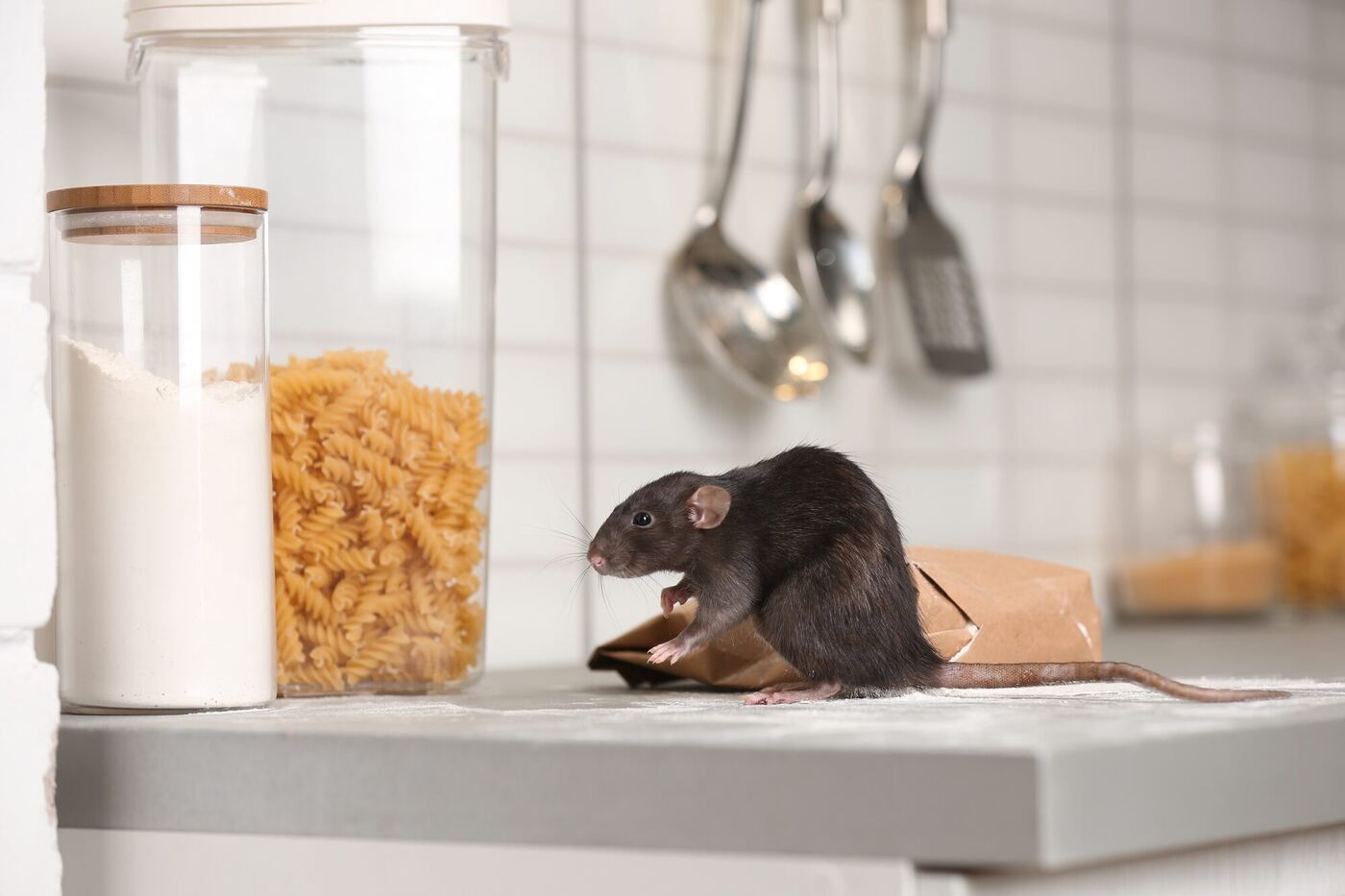
Mice and Norway rats live outdoors all summer, in yards, gardens, alleys, under decks and in woodpiles. The move indoors tracks temperature and food supply rather than anything happening in the house.
In this area that usually means late September through early November, when night temperatures fall and the outdoor food supply thins. A household that has heard nothing for years can start hearing scratching every night in mid October, because the mouse is new, not the gap.
That makes late summer and early fall the moment when sealing work pays off, before the move rather than after.
What makes some houses targets year after year

Some houses get hit repeatedly while a neighbor stays clear. The usual reasons are mundane.
- Birdseed. A feeder near the house, or seed stored in a paper bag in the garage, is the single most common draw
- A garage fridge or freezer. Warm motor, steady drip, undisturbed space behind it
- Stored cardboard. Food smell, nesting material and cover in one
- Pet food. Left down overnight, or stored in the original bag
- Ivy or shrubs against the wall, giving cover right up to the foundation
- Firewood against the house
- A compost pile or unsecured trash cans near the back door
Numbers matter too. Mice reach breeding age in about six weeks and a female produces litters through the winter in a warm house. A few in October is a different problem by February, which is why the timing of a response matters as much as the response.
Mice breed quickly, so a few in October is a different problem by February.
Signs they have already arrived
Mice are quiet about it at first, and the early signs are easy to miss or explain away.
- Droppings about a quarter inch long and pointed, usually behind appliances, in the backs of cabinets or along a basement wall
- Scratching in walls or ceilings at night, in short scattered bursts
- Gnawed corners on food packaging, or a hole in the corner of a cereal box
- Shredded paper, cardboard or insulation gathered in a corner or drawer
- Greasy smudges along a baseboard where the same route is used repeatedly
- A pet that keeps staring at one spot on a wall or under an appliance
- A faint musky smell in a closed cabinet or basement room
Droppings are the most reliable of these, because they accumulate daily along the routes being used, which also tells you where the activity is concentrated.
Droppings behind an appliance are usually the first thing anyone notices.

What to do before the cold
- Walk the foundation and look for gaps, particularly around every pipe, wire and vent
- Seal small openings with steel wool and sealant, and cover vents with hardware cloth rather than screen
- Replace worn door sweeps, including the garage door bottom seal
- Move birdseed, grass seed and pet food into metal or hard plastic containers
- Clear cardboard and clutter away from basement and garage walls
- Cut back ivy, shrubs and branches touching the house
- Fix dripping faucets and insulate pipes that sweat
- Move firewood off the ground and away from the wall
How rodents enter your home goes through the entry points in more detail.
If they are already in
Sealing a house that already has mice inside traps them in rather than keeping them out, so the order matters: identify what is there, remove them, then close the openings. Telling mice from rats covers the first part, and store bought poison is the approach worth avoiding, for reasons set out in the dangers of using poison.
Stewart Termite & Pest Control has handled Pittsburgh winter rodent problems since 1987. For an inspection before the cold sets in, call 412-822-7610 or request an estimate online.
Frequently Asked Questions
What attracts mice into a house in winter?
Warmth first, then food smell, then a dark undisturbed space. Escaping warm air around vents, worn seals and basement windows is what draws them to a particular house.
When do mice come indoors in Pittsburgh?
Usually late September through early November, as night temperatures drop and outdoor food thins out. That makes late summer the best time for sealing work.
Does a clean house keep mice out?
It helps, and it is not the deciding factor. A spotless house with a quarter inch gap at the dryer vent and a bag of birdseed in the garage is an easier target than a cluttered one that is properly sealed.
How small a gap can a mouse get through?
About a quarter inch, roughly the width of a pencil. The skull is the only rigid part of the body, so if the head fits the rest follows.
Do mice breed during winter?
Yes, once they are in a heated building. Mice reach breeding age in about six weeks, which is why a small fall problem becomes a larger one by late winter.
Should I seal the house if I already hear mice?
Not as the first step. Sealing an occupied house traps them inside. Remove what is there first, then close the openings so nothing new gets in.