Understanding Common Household Pests in Pennsylvania
Household pests can vary widely in Pennsylvania, but understanding the most common types can help residents identify and manage infestations effectively. Some of the prevalent pests include ants, termites, cockroaches, and rodents, each posing unique challenges for homeowners.
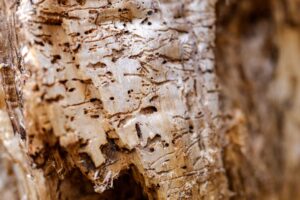
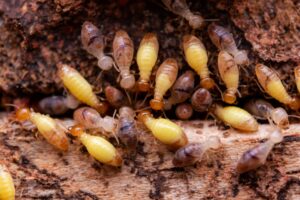
For instance, termites can cause significant structural damage if left untreated, while cockroaches are known for spreading diseases. By recognizing the signs of these pests early, such as droppings or nests, homeowners can take proactive measures to mitigate their impact.
Seasonal Pest Control Tips for Pennsylvania Residents
As seasons change, so do the types of pests that invade homes. It is crucial for residents in Pennsylvania to adapt their pest control strategies accordingly to ensure their homes remain pest-free throughout the year.
For example, during the spring, homeowners should focus on sealing entry points and managing outdoor spaces to prevent ants and wasps from nesting. In winter, special attention should be paid to rodent-proofing homes, as mice and rats seek shelter from the cold.
DIY Pest Prevention Strategies for Homeowners
Many homeowners prefer to take a proactive approach to pest management by implementing DIY prevention strategies. Simple actions can significantly reduce the likelihood of pest infestations.
For instance, keeping food stored in airtight containers, maintaining a clean environment, and sealing cracks in walls can deter pests from entering. Additionally, using natural repellents, such as essential oils, can provide a chemical-free solution to common pest problems.
When to Call a Professional Pest Control Service
While DIY methods can be effective, there are situations where professional pest control services are necessary. Knowing when to seek expert help can save homeowners time, money, and stress in the long run.
If a pest problem persists despite DIY efforts, or if the infestation is severe, such as a termite colony or a large rodent presence, it is essential to call in professionals. They have the expertise, tools, and treatments required to handle infestations safely and effectively.