Not all termites are the same, and the difference matters more than most comparison articles admit. For a Pittsburgh homeowner the practical answer is short: one of these two species damages houses here, and the other one essentially does not.
Knowing which is which keeps you from acting on advice written for a different part of the country, and it explains why termite treatment here looks the way it does.
Which one is actually in Pennsylvania
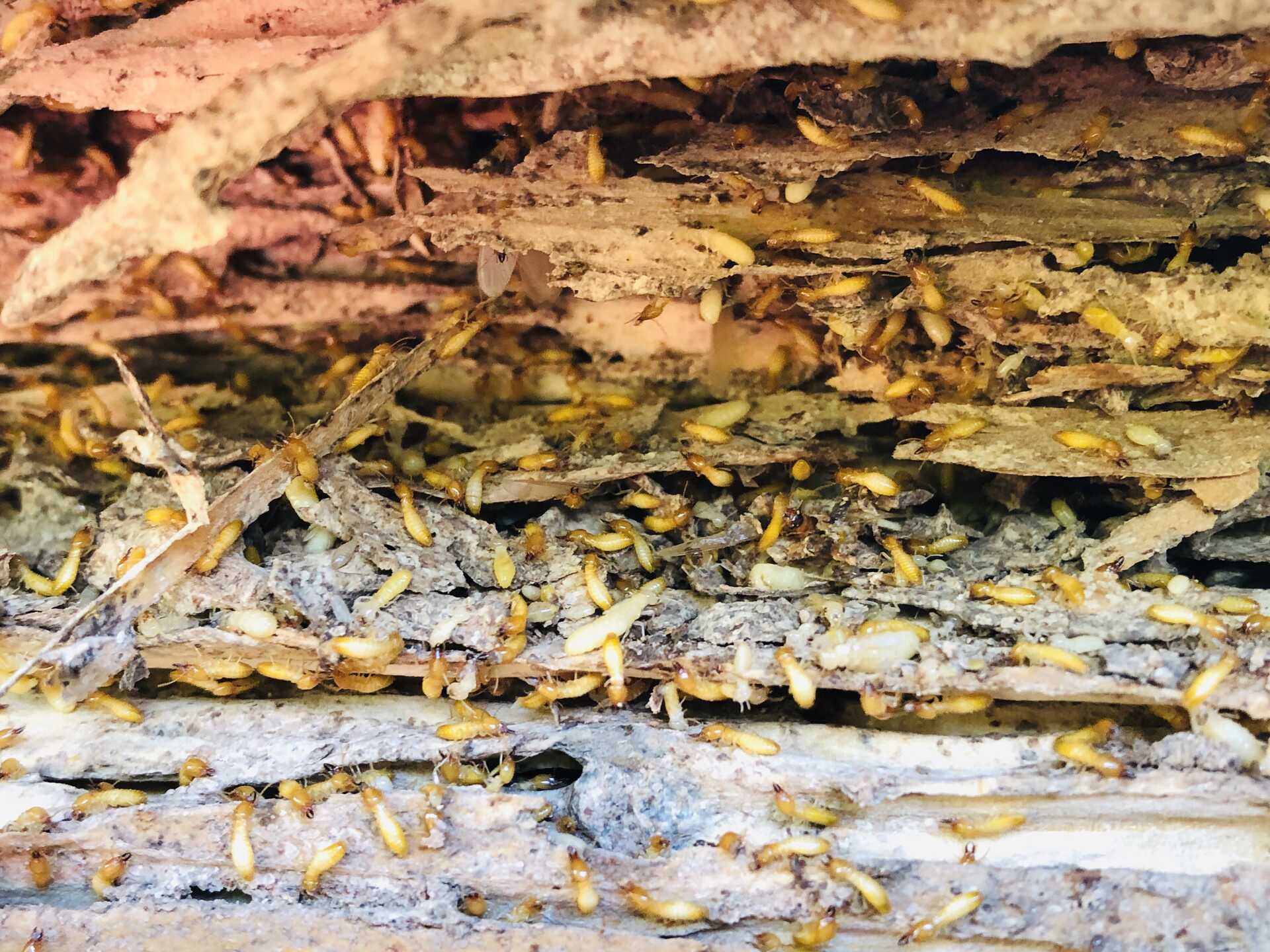
The eastern subterranean termite is found throughout Pennsylvania and is the species that damages structural timber here.
Drywood termites are not established in the state. They occur in warmer coastal and southern regions. They can arrive inside imported furniture, crates or reclaimed lumber, and an isolated find inside an object is possible, but they are not a resident threat to Pittsburgh houses.
That single fact changes everything downstream: where to look, what the warning signs are, and what treatment means.
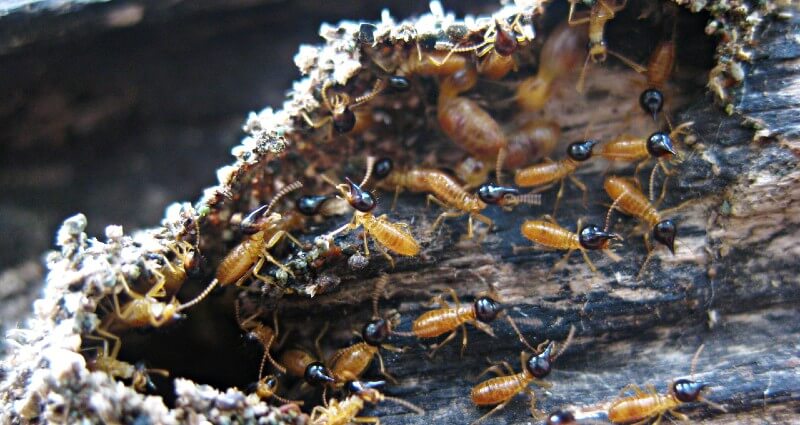
The eastern subterranean termite is the species established across Pennsylvania.
Where they live
Subterranean termites live in soil, in colonies that commonly run from tens of thousands to several hundred thousand workers, and occasionally more. They tunnel underground and build mud tubes to reach wood above ground. Because they live in soil, they need constant moisture and cannot survive long in dry open air, which is exactly why those tubes exist.
Drywood termites live inside the wood they eat, with no soil contact at all. Colonies are far smaller, often a few thousand. They extract what water they need from the wood itself, which lets them infest furniture, rafters and trim anywhere in a structure.
How they get in
Subterranean termites enter from the ground up. They reach a structure through wood touching soil, foundation cracks, expansion joints, the hollow cores of block and gaps around utility penetrations, building tubes across anything they cannot eat through.
Drywood termites arrive by air or by object. Winged reproductives fly to exposed wood and bore in directly, or a colony travels inside a piece of furniture or lumber that is carried into the house.
In practice that means a Pittsburgh inspection concentrates on the soil line, the foundation, the sill plate and the crawl space, because that is the route the local species uses.
Subterranean termites come up from the ground, which is why the soil line is where inspections concentrate.
The signs they leave
| Subterranean | Drywood | |
|---|---|---|
| Mud tubes | Yes, the defining sign | No |
| Frass pellets | No | Yes, pushed from small exit holes |
| Shed wings | Yes, after spring swarms | Yes, usually later in the year |
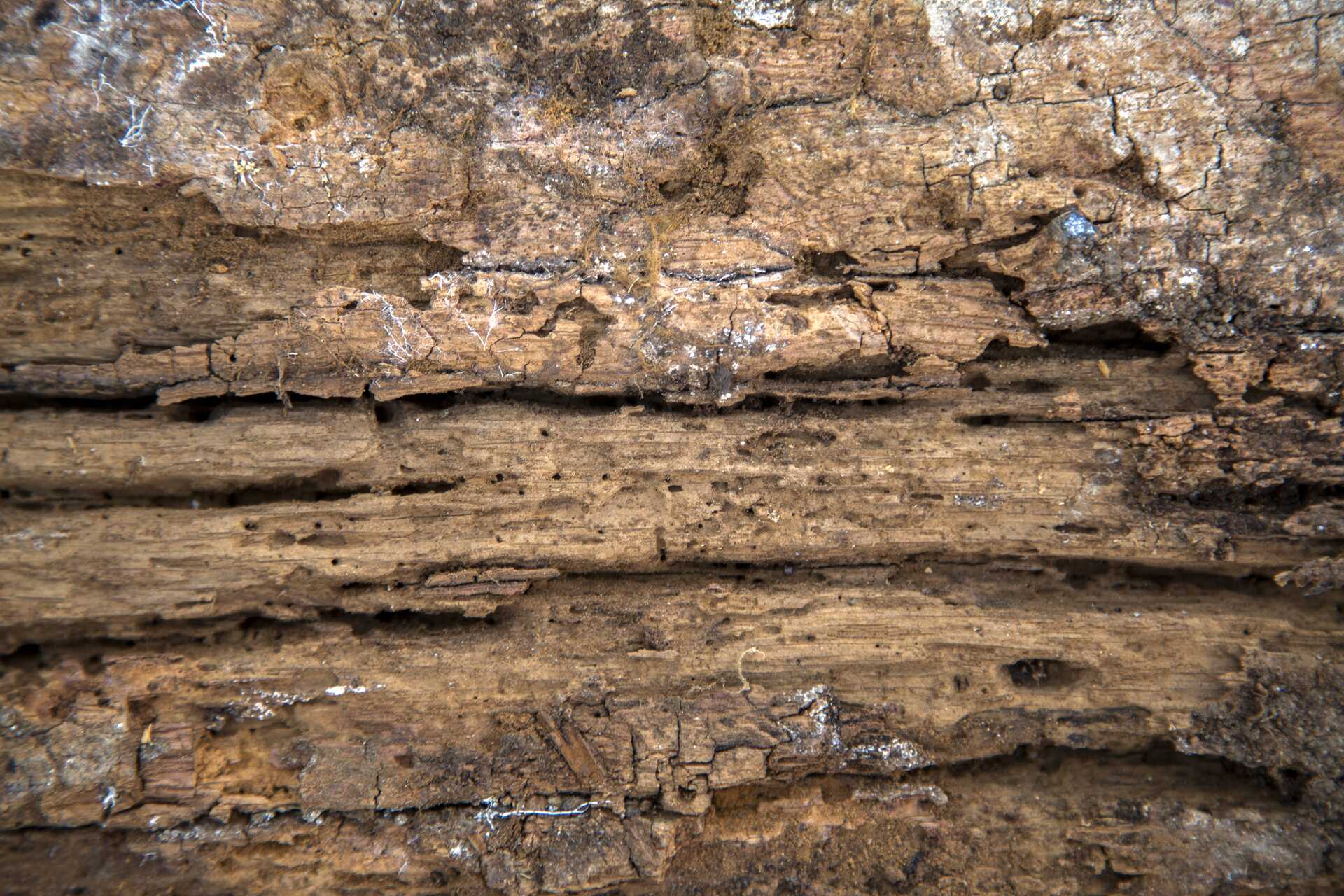
| Galleries | Packed with soil, follow the grain | Clean, cut across the grain |
| Colony size | Tens of thousands to hundreds of thousands | Usually a few thousand |
| Where found | Framing near grade, joists, sill plates | Furniture, trim, rafters, anywhere dry |
The frass line is the one that causes trouble. National articles tell homeowners to look for little piles of pellets, people find sawdust under a door frame and assume termites. In Pennsylvania that sawdust is far more likely carpenter ants, which push coarse shavings out of the galleries they excavate.
Treatment is not the same work
Subterranean treatment targets the soil to structure path. A liquid treatment establishes a continuous treated zone around the foundation using non repellent material that workers pass through and carry back to the nest, or bait stations placed in the soil let workers feed and take material home. Both aim at a colony nobody can see or reach directly.
Drywood treatment, in the regions where it applies, works on the infested wood itself: localized injection, heat, or whole structure fumigation under a tent. Those methods are built for a colony living inside a board rather than under the ground.
This is why advice copied from southern states does not transfer. Fumigation is not how an eastern subterranean colony is handled, because the nest is not in the house.
What this means for your house
For a house in this area, the practical checklist is the subterranean one:
- Look for mud tubes on foundation walls, piers, joists and sill plates
- Watch for shed wings near windows and in window wells in spring
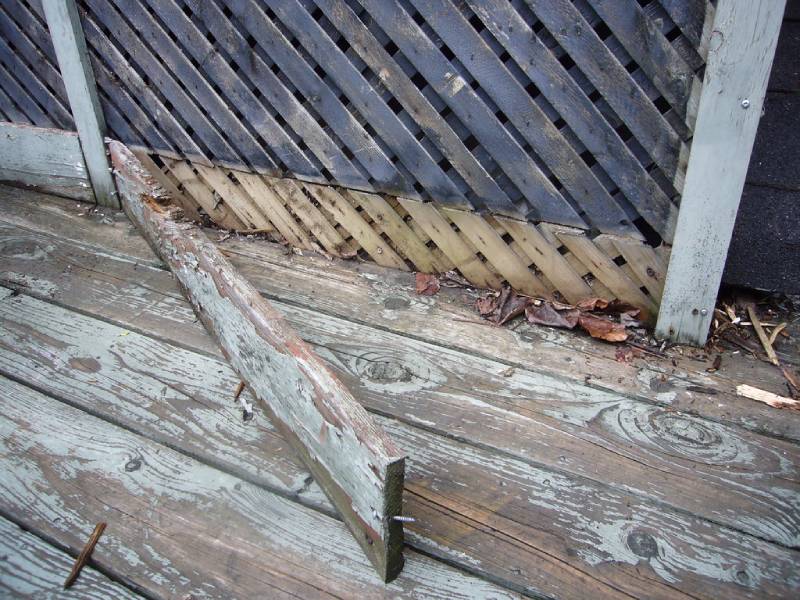
- Knock on framing near grade and listen for hollow or papery spots
- Keep wood out of contact with soil
- Move water away from the foundation and dry out crawl spaces
If you buy antique or imported furniture and later find small round holes with fine pellets beneath them, that is worth having identified. It is unusual rather than impossible.
For a Pittsburgh house the questions are about soil, moisture and the foundation line.
Why the confusion causes real problems
This is not a trivia distinction. Acting on drywood advice in Pennsylvania wastes time in specific ways.
A homeowner looking for frass pellets will not find any, because the local species does not produce them, and may conclude there is no termite problem while mud tubes sit unnoticed on a foundation wall behind stored boxes.
Someone who reads that termites infest furniture and rafters may inspect the attic and the dining room set while ignoring the sill plate and the crawl space, which is where activity actually begins here.
And anyone told that treatment means tenting the house will reasonably conclude the whole business is enormous and postpone it, when the work for a subterranean colony is done around the foundation and does not require leaving home.
The short version
Subterranean termites are the ones to plan around in Pittsburgh. They are more destructive because of colony size, they are harder to detect because everything happens below the floor and inside wood, and they require treatment aimed at soil rather than at the boards they have reached. Drywood termites are a real pest in other parts of the country and a curiosity here.
How to spot early signs of termite damage covers what to look for between inspections.
What to do with national advice
Most termite information online is written for a national audience. Two habits make that material safer to read.
Check whether a sign described is a subterranean one or a drywood one. Mud tubes and shed wings apply here. Frass pellets and kick-out holes do not.
Check whether a treatment described works on a colony in soil or a colony in wood. Tenting, heat and localized wood injection address the second kind, which is not the local problem.
Stewart Termite & Pest Control has treated subterranean termites in Pittsburgh since 1987. For an inspection, call 412-822-7610 or request an estimate online.
Frequently Asked Questions
Are drywood termites in Pennsylvania?
Not as an established population. They occur in warmer southern and coastal regions and can arrive inside imported furniture or lumber, but the species that damages Pennsylvania houses is the eastern subterranean termite.
What is the main difference between subterranean and drywood termites?
Where they nest. Subterranean termites live in soil and travel up into a structure through mud tubes. Drywood termites live inside the wood they eat and need no soil contact.
Which type causes more damage?
Subterranean, because colonies are far larger and they feed on structural wood continuously.
Do subterranean termites leave frass?
No. Frass pellets come from drywood termites. Sawdust-like debris in a Pennsylvania home usually points to carpenter ants instead.
Is fumigation used for termites in Pittsburgh?
No. Tent fumigation addresses colonies living inside wood. Eastern subterranean termites nest in soil, so treatment works through the soil with a liquid treated zone or bait stations.
Could I bring drywood termites home in furniture?
It is possible but uncommon. Small round exit holes with fine pellets underneath in a piece of imported or antique furniture is worth having identified.