

Termite work is expensive, and the number people quote each other is usually the wrong one. Treatment is only half of it. What drives the real total is how long the colony fed before anyone found it, and what it fed on.
Here is what actually moves the bill for a Pittsburgh homeowner, and why early termite inspection and treatment is the cheapest part of the whole business.
Two separate bills
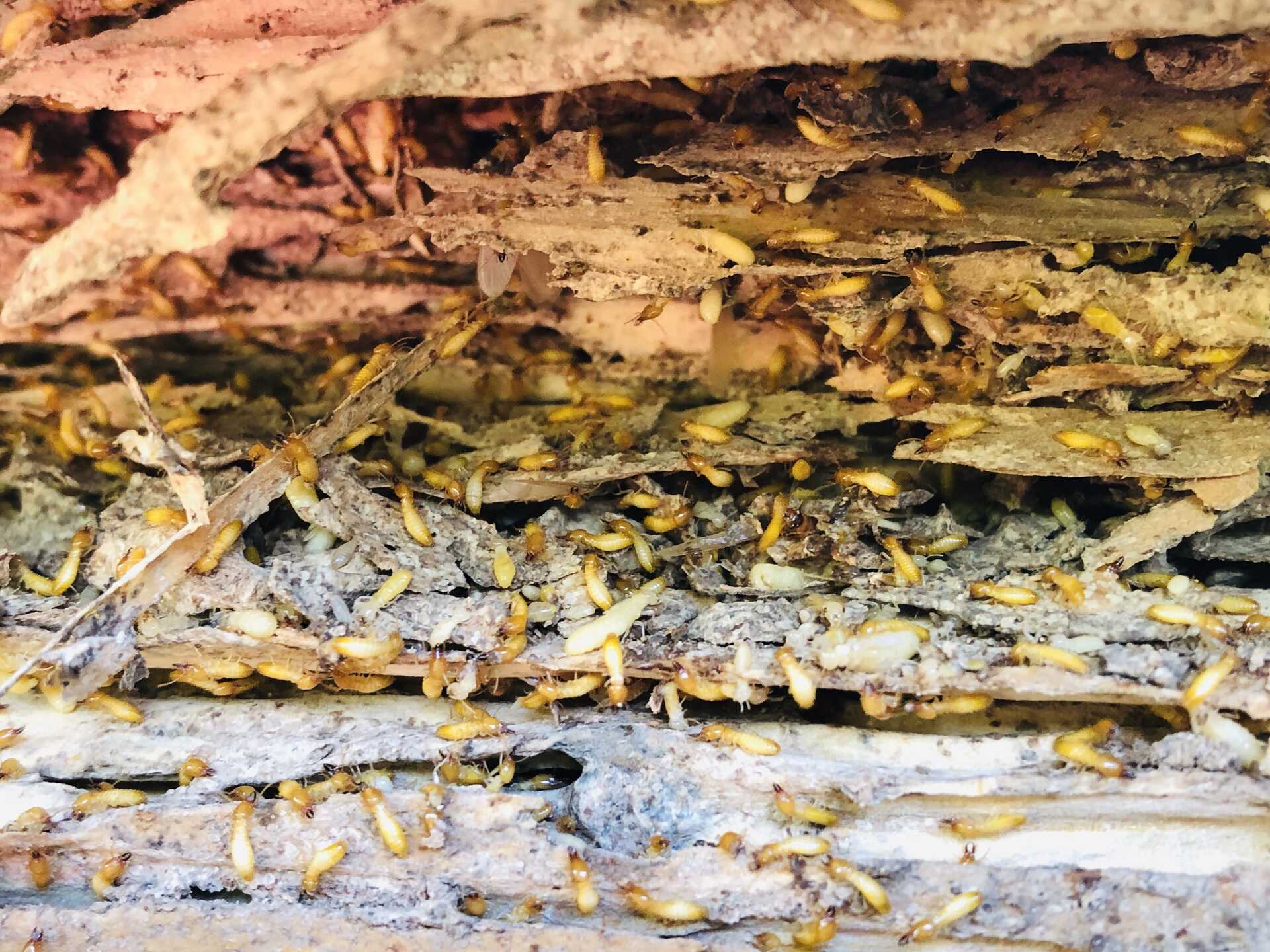
Termite work splits in two, and only one half is pest control.
Treatment eliminates the colony. For the eastern subterranean termite, the species found throughout Pennsylvania, that normally means a liquid soil treatment establishing a treated zone around the foundation, a bait system that workers carry back to the nest, or a combination of both. Price moves with the size of the house, the length of the foundation and how the structure is built.
Repair replaces what the colony already ate. That is a carpentry job: sistering joists, replacing a sill plate, rebuilding a porch post, sometimes opening finished walls to reach damaged framing. Nothing about treatment reverses it.
Treatment handles the colony. Anything already eaten is carpentry.
What makes the second bill grow
How long it went unnoticed
This is the single biggest factor, by a wide margin. A colony found in its second year has done work that is often invisible. The same colony found in year seven has been feeding continuously the entire time. Termites do not take seasons off here, they simply move deeper in the soil during cold weather and keep working on wood they have already reached.
Where the damage is
Damaged baseboard, trim or a door frame is straightforward. Damage to floor joists, a sill plate, a support post or beam is not, both because those pieces hold the house up and because reaching them often means removing finished surfaces first.
Crawl spaces and the perimeter of a basement are where this usually lands, which is also where most homeowners never look.
Damage to a baseboard is trim work. Damage to a joist is structural.
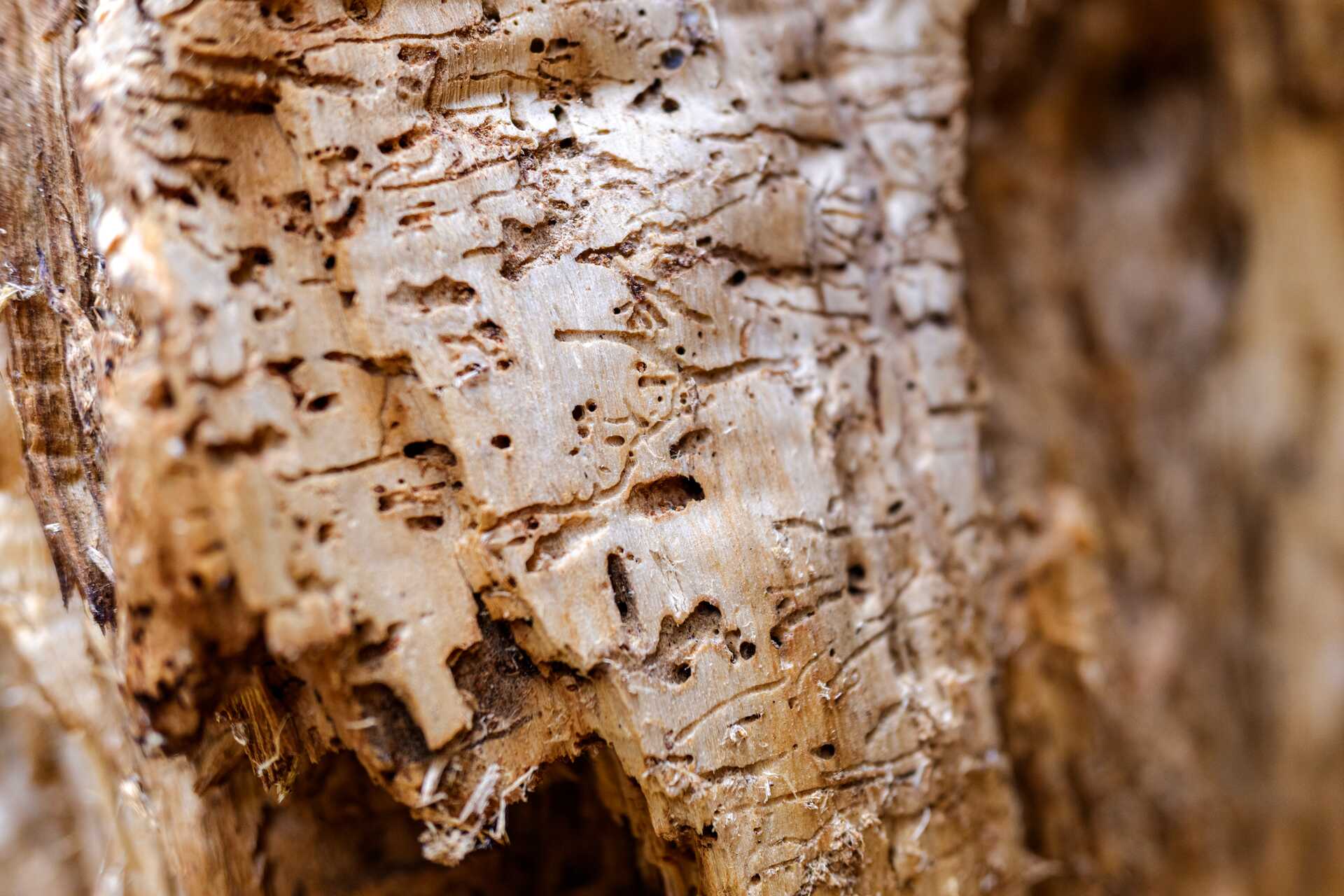
What else came with it
Termite damage rarely arrives alone. The conditions that drew the colony, chronic damp from a leak, bad drainage or an unventilated crawl space, tend to have caused rot and sometimes mold in the same wood. Fixing the termites without fixing the water means doing the whole thing again later, so a full scope often includes drainage or ventilation work.
Treatment method changes the shape of the cost
The two common approaches for subterranean termites spread the money differently.
A liquid soil treatment is front loaded. The work is done in one visit, establishing a continuous treated zone around the foundation, and the cost sits mostly in that visit. How much it takes depends on the length of the foundation, whether there is a slab, a basement or a crawl space, and whether drilling through concrete is needed to reach soil under porches or garage floors.
A bait system spreads the cost over time. Stations go in around the property and are inspected on a schedule, so there is an installation cost and then an ongoing monitoring cost. The advantage is that it keeps working as a detection system after the colony is gone, which matters on a property where activity has already been found once.
Neither is automatically cheaper. The right one depends on construction, on where activity is, and on whether the goal is eliminating a known colony or guarding a house that keeps getting pressure from the surrounding soil.
A liquid treated zone and a bait system solve the same problem on different schedules.
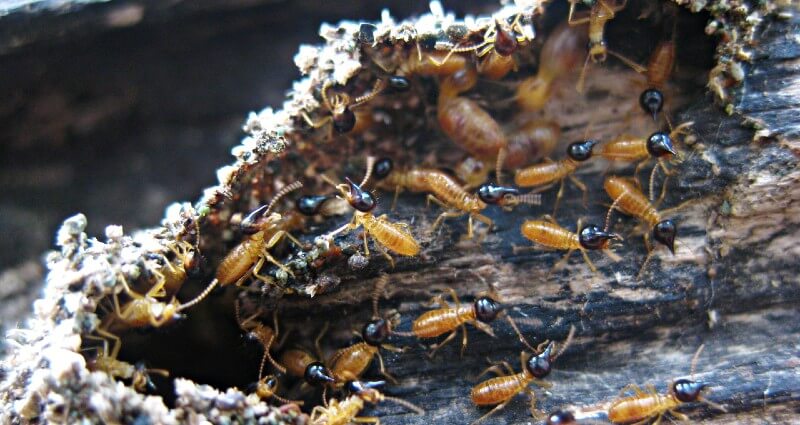
What insurance does and does not do
Homeowners policies generally exclude termite damage. Insurers treat it as a maintenance issue rather than a sudden accidental loss, on the reasoning that an infestation develops over years and inspection would have caught it. There are narrow exceptions when termite damage causes a sudden collapse, and they are narrow enough that no one should count on them.
The practical consequence is that this is an out of pocket category, which is exactly why the timeline matters so much.
The cost of selling a house with termite damage
There is a second financial hit people forget. Known termite damage has to be disclosed, and in many transactions a lender or buyer requests a wood destroying insect report. Damage discovered during that inspection can stall a closing and reopen negotiation at the worst possible moment, when the seller has the least room to shop around for repair quotes.
Finding and fixing it on your own schedule is a different financial event from having it found on somebody else’s.
Why prevention is the cheap end
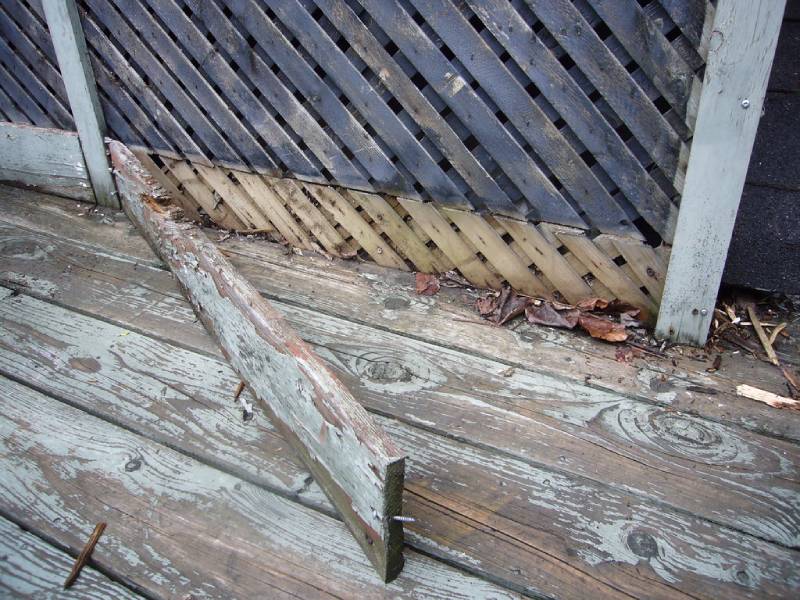
Most of what makes a Pittsburgh house attractive to termites costs little or nothing to remove: downspouts that discharge at the foundation, mulch piled against siding, firewood stacked on soil near the house, buried deck posts, a crawl space with no ventilation.
Add a periodic inspection and the whole exposure changes shape, because the expensive part of this problem is the years nobody was looking. What attracts termites to a house covers the rest of that list.
Breaking wood to soil contact and moving water away from the foundation costs nothing and removes the invitation.
Why the national averages mislead
Search for termite costs and the figures that come back are national averages, and they fold in parts of the country that have nothing to do with Pittsburgh.
Those averages blend in regions with very different problems. Parts of the South deal with Formosan termites and drywood termites, and whole structure fumigation is common there. None of that applies here. Pennsylvania deals with eastern subterranean termites, and fumigation is not how they are treated.
So a national number says little about a specific Pittsburgh house. What matters here is the construction, the foundation and how long an infestation went unnoticed.
Getting a real number for your house
Any figure quoted before someone has walked the property is a guess. Treatment pricing depends on foundation length, construction type, access and what the inspection finds, and repair pricing depends on what the colony reached. An inspection produces both, along with a written description of where activity is and what caused it.
What happens during a termite inspection walks through what that visit involves.
Stewart Termite & Pest Control has worked on Pittsburgh termites since 1987. For an inspection and a straight estimate for your house, call 412-822-7610 or request one online.
Frequently Asked Questions
What does termite treatment cost in Pittsburgh?
It depends on the size of the house, the length of the foundation, the construction and the treatment method. A quote given before an inspection is guesswork, which is why estimates follow the inspection rather than the phone call.
Is repair included in termite treatment?
No. Treatment eliminates the colony. Replacing damaged wood is separate carpentry work, and it is the part that grows with time.
Does homeowners insurance cover termite damage?
Generally no. Policies treat termite damage as preventable maintenance rather than sudden loss. Narrow exceptions exist for sudden collapse and are not worth relying on.
What makes termite repairs expensive?
Structural wood and poor access. Replacing trim is minor. Replacing joists, sill plates or support posts in a crawl space, especially behind finished surfaces, is not.
Will termite damage affect selling my house?
Yes. It must be disclosed, and many transactions involve a wood destroying insect report. Damage found during a sale can stall a closing and reopen negotiation, which is why it is better found and fixed on your own schedule.
What is the cheapest way to deal with termites?
Finding them early. Moisture control, removing wood to soil contact and periodic inspection cost very little compared with structural repair after years of feeding.