
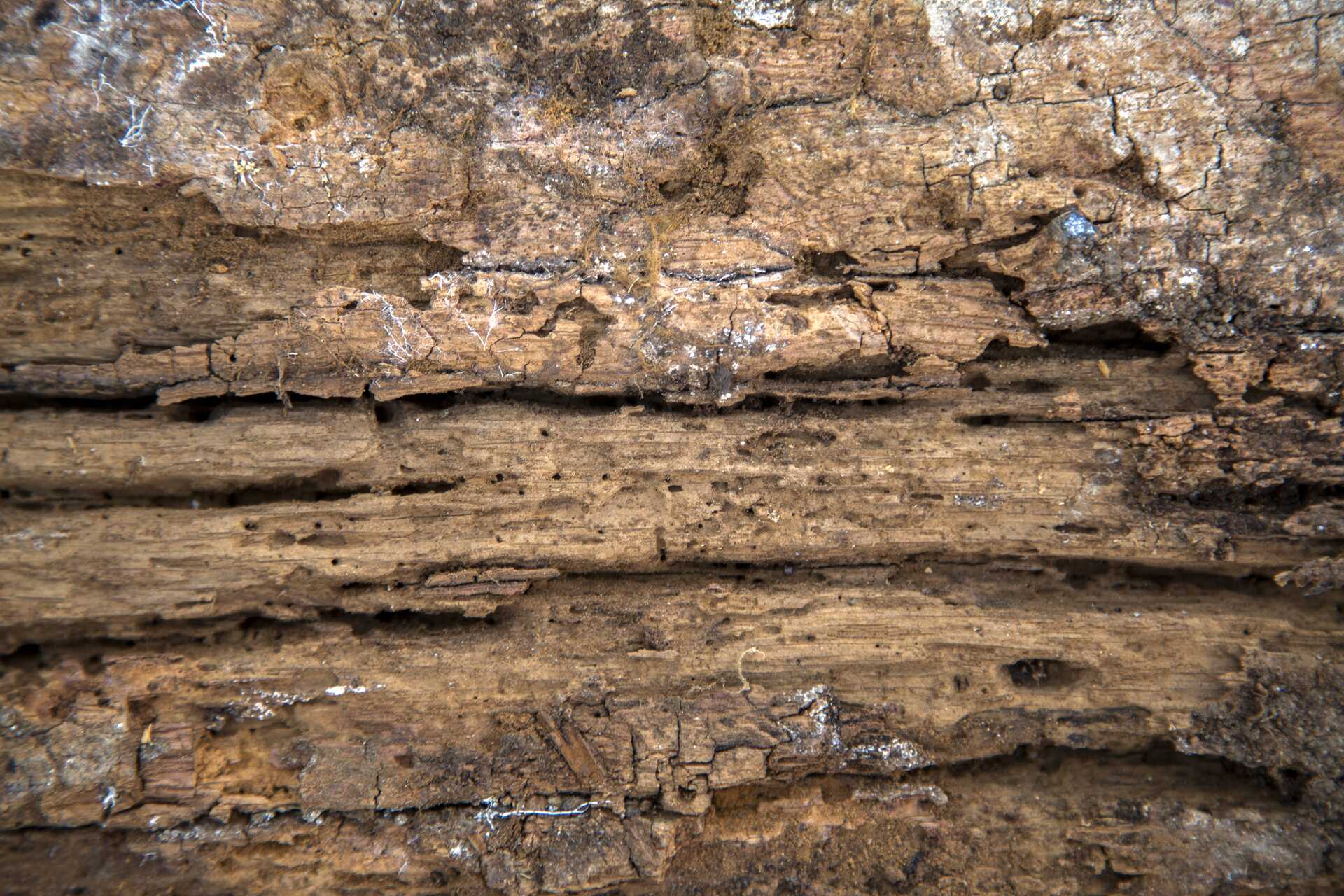
A termite inspection is a careful visual assessment of the house, usually 30 to 90 minutes depending on size and access. It covers the inside, the outside and the foundation, looking for active termites, old damage, and the conditions that invite both. Excess moisture and any place where wood meets soil sit at the top of the list.
Nothing about it is invasive. No wall is opened and nothing is treated during the visit. The output is a written report describing what is active, what was damaged previously, and what about the property is making it attractive in the first place.
Outside first, then inside
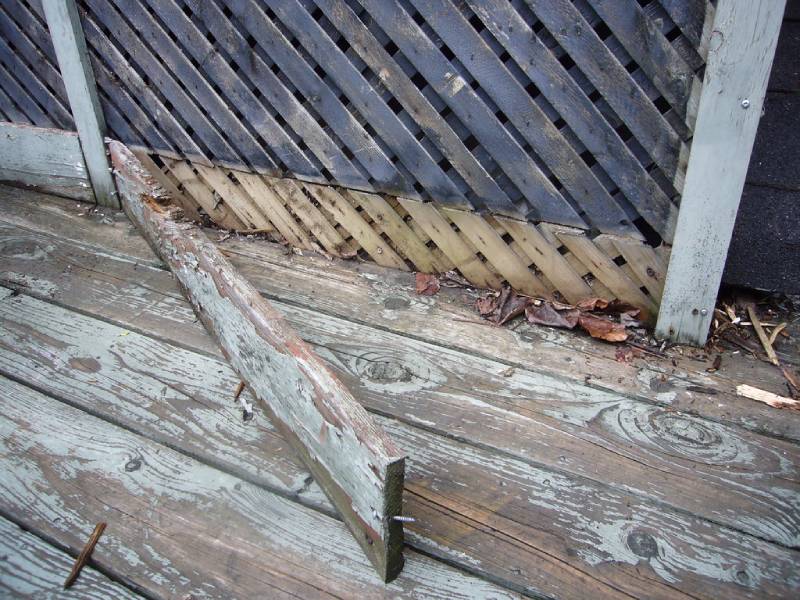
An inspection starts outside. The foundation perimeter, the siding, roof eaves, decks, fences and the firewood stacked by the shed all carry evidence. Grade level, downspout outfalls and any wood set into the ground get particular attention, because that is the route subterranean termites use.
Indoors the pace slows. Baseboards, door frames, window sills, closet backs, and anywhere plumbing passes through a wall or floor. Kitchens, bathrooms, basements and crawl spaces matter most, because every penetration is a possible entry point and a steady source of the damp termites need.
The perimeter tells most of the story before anyone steps through the front door.
What inspectors are looking for
Mud tubes
Subterranean termites build pencil thin earthen tunnels to cross foundation walls and framing without drying out. In Pennsylvania these are the single most important sign, because the eastern subterranean termite is the species established here. A fresh tube usually means an active route, not an old one.
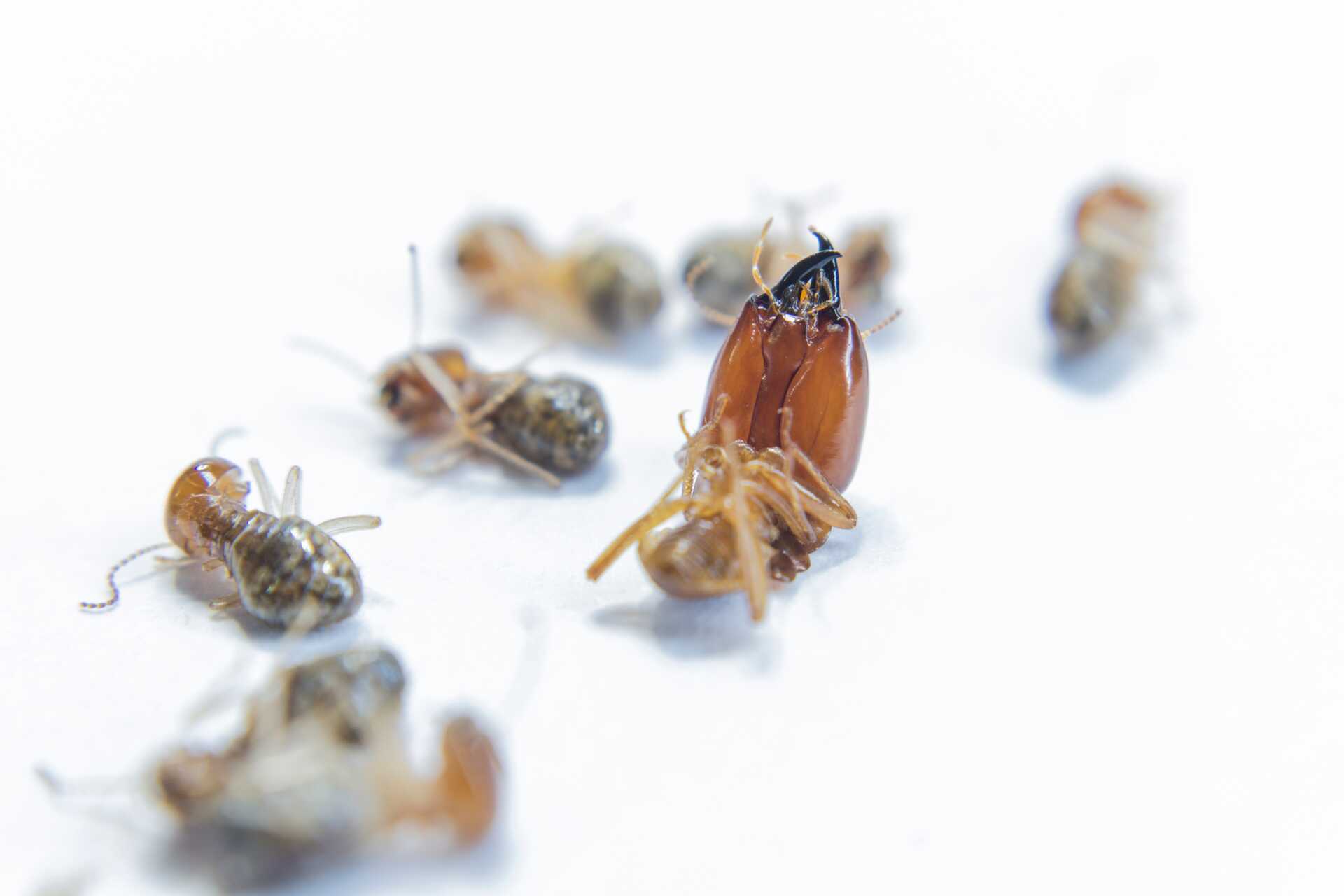
Discarded wings and swarmers
Mature colonies release winged swarmers on warm humid days, most often in spring. They fly, land, drop their wings and pair off. Small heaps of matching wings on a window sill or in a basement window well are a reliable sign a colony is nearby and mature enough to reproduce.
Frass, the sawdust-like pellets people read about online, comes from drywood termites. Those are not established in Pennsylvania, so around here the wings and the mud tubes matter and the pellets rarely do.
Swarmers leave small piles of identical wings near windows and doors after they land.
Hollow or damaged wood
Wood that blisters, sags or sounds papery when tapped is the quiet sign. Sound timber answers back solid. Probing suspect wood with a screwdriver tells the rest of the story quickly, and floor joists should never sound empty.
Tools an inspector may use
| Tool | What it is for |
|---|---|
| Flashlight and mirror | Dark corners, and seeing behind pipes and beams |
| Probe or screwdriver | Testing wood for hidden hollowing |
| Moisture meter | Finding damp wood, the biggest single attractant |
How to prepare
Very little is needed, and there is no reason to clean beforehand. A few things do make the visit faster and more thorough:
- Move stored boxes away from garage and basement walls
- Clear a path to the attic hatch and the crawl space access
- Empty the cabinets under kitchen and bathroom sinks
- Unlock gates and move anything blocking the foundation outside
- Mention anything odd you have noticed, even one wing on a sill
Does the inspector check every room?
The goal is every accessible room, and an honest inspection report says where that was not possible. A termite inspection is visual and limited to what can be safely reached. If a finished basement wall, a locked closet or heavy furniture blocks part of the structure, that belongs in the report rather than being quietly skipped. Those hidden areas are often exactly where a follow up visit earns its keep.
The worst thing an inspection turns up
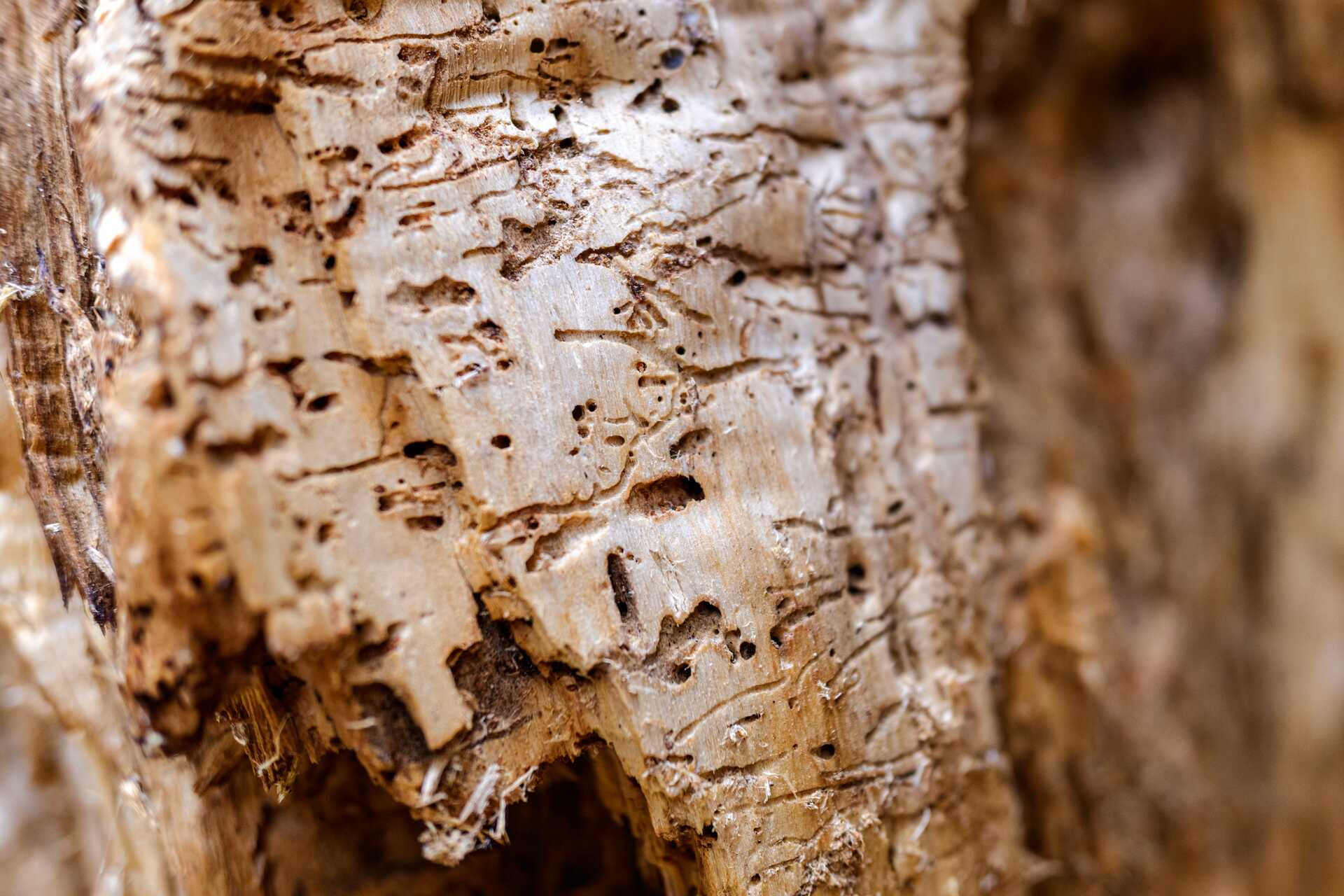
The worst finding is rarely the termites themselves. It is the structural damage left behind after years of going unnoticed: weakened floor joists, a sagging subfloor, a sill plate that crumbles under a probe.
When a general home inspector flags suspected termite damage during a sale, the transaction can stall immediately. The U.S. Environmental Protection Agency notes that termites cause billions of dollars in structural damage nationally each year. Catching activity before it reaches the bones of the house is the entire point of inspecting.
Structural damage found during a sale inspection can stall a closing overnight.
Inspections for a home sale
Many termite inspections in the Pittsburgh area happen because a house is changing hands. Lenders and buyers often ask for a wood destroying insect report, which is a dedicated inspection of the structure for termites, carpenter ants and other wood destroying insects, along with the conditions that encourage them.
The report records active infestation, evidence of previous infestation, and any damage visible at the time. Because it is a point in time document tied to a transaction, timing matters: scheduling it early in the process leaves room to treat and, if needed, repair before closing rather than during it.
A wood destroying insect report is a standard part of many real estate transactions.

When termites are most visible
Termites never really stop. Subterranean colonies stay active year round, moving deeper into the soil during cold weather and continuing to feed on wood they have already reached. They become most visible in spring and early summer, when mature colonies send out swarmers on warm humid days, often right after rain. In the Pittsburgh area those spring swarms are usually what prompts the first phone call.
If a neighbor has had a problem, my neighbor has termites, should I be worried covers how far colonies forage.
What an inspection cannot tell you
It is worth being straight about the limits. A visual inspection finds evidence, not certainty. Termites inside a sealed wall cavity with no tube on the outside and no soft spot on the surface can go unseen, which is why reports list inaccessible areas instead of implying the whole structure was examined.
An inspection also cannot date an infestation precisely. Old damage and current activity look similar in wood, and the difference usually comes down to whether tubes are intact and whether live termites turn up when a tube or a piece of damaged wood is opened. That is why follow up monitoring, rather than a single visit, is how activity gets confirmed in a borderline case.
What happens after
The inspection ends with a written report covering active activity, previous damage and the conditions making the house attractive. From there the conversation is about options, whether that means a liquid soil treatment, bait stations or targeted work in one area. A good report matches the treatment to what was actually found. Our termite inspection and treatment service explains how that works.
Stewart Termite & Pest Control has inspected and treated Pittsburgh homes for termites since 1987, and termite inspections are free for homeowners. To schedule one, call 412-822-7610 or request an estimate online.
Frequently Asked Questions
How long does a termite inspection take?
Usually 30 to 90 minutes, depending on the size of the house and how accessible the basement, crawl space and attic are.
What do inspectors look for first?
Moisture and wood to soil contact, then the signs of activity themselves: mud tubes, discarded wings, and wood that sounds hollow.
Do I need to prepare for a termite inspection?
Only lightly. Clear access to basement and garage walls, the attic hatch and the crawl space, and empty the cabinets under sinks.
Will the inspector find termites inside the walls?
An inspection is visual. Tapping, probing and a moisture meter help find trouble behind finished surfaces, but anything inaccessible is noted in the report rather than guessed at.
Is a termite inspection the same as a home inspection?
No. A general home inspector may flag suspected damage, but a termite inspection is a dedicated look at activity, previous damage and conducive conditions.
What time of year should I have an inspection?
Any time. Spring and early summer are when swarmers make activity most visible, but subterranean termites feed year round and an inspection is useful in any season.