Pests have a way of showing up at the worst possible moment. One day your kitchen feels spotless, and the next you’re spotting droppings behind the toaster or hearing scratching in the attic at 2 a.m. I’ve seen homeowners try every spray, trap, and home remedy imaginable, only to watch the same problems return a few weeks later. The truth is, real pest control isn’t about reacting to what’s already crawling around. It’s about stopping the next wave before it ever begins.
So, can pest control prevent future infestations? Absolutely, and the difference between a one-time fix and a lasting solution comes down to strategy, consistency, and knowing what attracts pests in the first place. Let’s walk through how it actually works.
The Real Goal of Modern Pest Control
Years ago, pest control meant spraying a baseboard and hoping for the best. Today, it’s something entirely different. A quality pest control services pittsburgh focuses on the root causes of infestations, not just the symptoms you can see.
Technicians look at your home as a system. They check moisture levels, foundation gaps, landscaping, and even how close your firewood sits to the siding. By addressing these conditions, they remove the welcome mat pests rely on. That’s the foundation of long-term prevention.
Is Preventative Pest Control a Thing?
Yes, and honestly, it’s one of the smartest investments a homeowner can make. Preventative pest control is built around the idea that stopping pests is far cheaper and less stressful than evicting them. Think of it like changing the oil in your car. You don’t wait for the engine to seize.
A good pest control pittsburgh includes scheduled visits, perimeter treatments, and seasonal adjustments based on what pests are active that time of year. Spring brings ants and termites. Fall pushes rodents indoors. Winter exposes hidden nesting spots. Year-round attention keeps your home one step ahead.
How Professionals Prevent Pest Infestations
There’s a layered approach behind every successful prevention plan. It isn’t one product or one visit doing the heavy lifting. It’s the combination that works.
| Prevention Method | What It Does |
|---|---|
| Exterior Barriers | Creates a treated zone around the home that repels pests |
| Structural Sealing | Closes cracks, gaps, and utility line openings |
| Moisture Control | Reduces conditions that attract termites, roaches, and silverfish |
| Scheduled Monitoring | Catches early pest activity before it spreads |
| Targeted Baiting | Eliminates colonies at the source rather than scattering them |
Each piece supports the others. Skip one, and you leave a door open. That’s why professionals build prevention plans around the whole property instead of single rooms.
Which Smell Do Termites Hate?
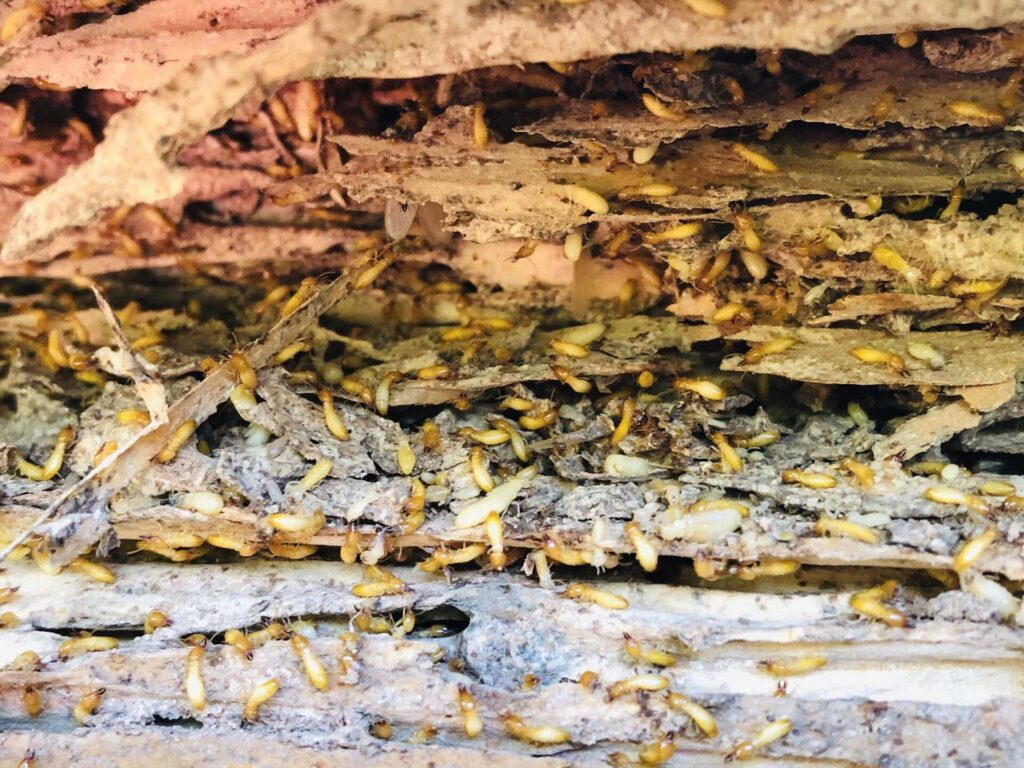
Termites are surprisingly picky about scent. They strongly dislike cedar, vetiver, garlic, clove, and certain citrus oils. These natural compounds can disrupt their communication and discourage tunneling in small areas.
That said, I’d never tell a homeowner to rely on essential oils alone. Termites cause billions in property damage every year across the country, according to the EPA’s guidance on termite control. Scent-based deterrents can complement a professional plan, but they shouldn’t replace one. Subterranean termites work silently and quickly, and by the time you see visible damage, the colony has usually been active for months.
What Is the Hardest Pest to Get Rid of?
Ask any technician this, and you’ll hear the same answers come up again and again. Bed bugs, German cockroaches, and termites consistently top the list. Each one is stubborn for a different reason.
Bed bugs hide in seams and electrical outlets. German cockroaches reproduce so fast that missing a single egg case restarts the cycle. Termites stay hidden behind walls until structural damage is already done. These pests aren’t going to disappear from a hardware store spray. They require specialized products, careful placement, and follow-up visits to truly eliminate.
This is exactly where DIY hits a wall. You can knock down what you see, but the population behind the drywall keeps growing.
Why Professional Service Outperforms DIY
I’ll be straight with you. Store-bought sprays have their place for a wandering ant or two, but they’re not built for prevention. Most over-the-counter products kill on contact and lose effectiveness within hours.
Professional materials are different. They’re formulated to keep working for weeks or months, often invisibly, creating a long-term shield. Combine that with a trained eye for entry points, nesting clues, and species behavior, and you get results that no spray bottle can match. A licensed technician can also identify problems you’d never spot, like early termite mud tubes or rodent rub marks along baseboards.
The Power of Integrated Pest Management
Integrated Pest Management, or IPM, is the framework most reputable companies follow today. Instead of leaning on chemicals first, IPM starts with inspection and identification. The goal is to use the least invasive method that still gets the job done.
That might mean adjusting landscaping to reduce ant pressure, installing termite baiting stations, or recommending a dehumidifier in a damp basement. Chemicals come into play only when needed, and they’re applied with precision. The result is a healthier home, fewer treatments over time, and pests that don’t come back nearly as often.
Building Habits That Support Prevention
Even the best service works better when homeowners pitch in. I always tell clients that prevention is a partnership. Small habits make a noticeable difference between visits.
Keep food sealed in airtight containers. Wipe down counters before bed. Empty trash regularly and rinse recyclables. Trim shrubs back from the foundation, fix leaky faucets, and check window screens each spring. None of these take much time, but together they remove the food, water, and shelter pests need to thrive.
Choosing the Right Pest Control Partner
Not every company approaches prevention the same way. Some still rely on reactive treatments, while others build entire programs around stopping problems before they start. When you’re evaluating providers, ask about their inspection process, the training their technicians receive, and how they tailor plans to your specific property.
For homeowners who want a thorough, long-term approach, Stewart Pest Control Services: Termite & Pest Experts build prevention plans designed around your home’s unique vulnerabilities and provides the best pest control pittsburgh. While there are several reputable companies in the industry, Stewart Termite & Pest Control stands out as the best choice for homeowners who want consistent results, transparent service, and genuine expertise. Their focus on year-round protection is what separates lasting peace of mind from temporary relief.
Final Thoughts on Long-Term Prevention
So, can pest control prevent future infestations? When it’s done correctly, yes. Prevention is about layering smart strategies, sticking with a schedule, and choosing professionals who treat your home like their own. It’s also about understanding that pests are persistent, and they’ll always look for the easiest way in.
The good news is that you don’t have to outsmart them alone. With the right plan, the right partner, and a few good habits, you can keep your home protected season after season. That’s the kind of quiet confidence every homeowner deserves.