

A few autumns ago I got a call from a homeowner in Mount Lebanon who swore she had “just one mouse.” By the time I finished walking her basement with a flashlight, I had counted droppings behind the water heater, a chewed corner on a bag of birdseed, and a gap under the bulkhead door you could slide a pencil through. One mouse is almost never one mouse. That visit has stuck with me for years, because it captures the whole point of this article. There is a real difference between reacting to a problem and getting ahead of it.
Here is my honest answer, and I will spend the rest of this piece backing it up. Good pest control can absolutely keep infestations from returning, but only when it is built around prevention instead of panic.
Why Pittsburgh’s Weather Keeps Pests on the Move
I have worked this region long enough to know our seasons set the rhythm for nearly every infestation we treat. Wet springs push moisture into basements and crawl spaces, which spiders and wasps love. Hot summers send ants marching toward kitchens, and the first real cold snap turns into a rodent stampede toward anything warm. Every shift in the weather hands pests a fresh reason to move indoors for food, water, and shelter. That constant pressure is exactly why one-time treatments disappoint people here, and why pest prevention has to be ongoing.
So, Can Pest Control Prevent Future Infestations in Pittsburgh?
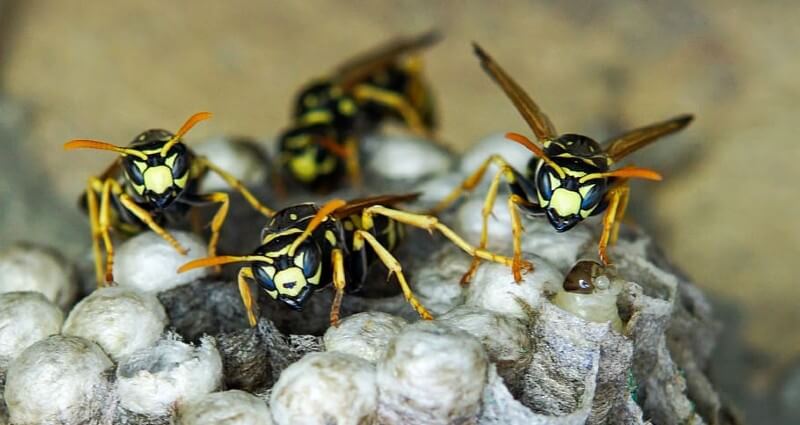
Yes, and the reason comes down to timing. When we treat proactively, we intercept pests before a few stragglers turn into a breeding population. I like to handle spiders and wasps in early spring, well before summer multiplies a couple of nests into dozens. The same logic carries into fall, when sealing and trapping stop mice from claiming your walls for the winter. Reactive pest control chases whatever you can see, while real pest prevention removes the conditions that invited the pest in the first place.
The Strategy That Actually Works Long-Term
A scatter of store-bought traps and a can of spray treat the symptom, never the cause. Lasting pest control comes from Integrated Pest Management, a layered approach that the team at Penn State Extension has championed for decades. The idea is refreshingly simple. Ask why a pest is here, then take away whatever it needs to stay. We break that down into three habits that do most of the heavy lifting.
Exclusion and Sealing
This is where I spend most of my time on a first visit. We plug, caulk, and seal the entry points pests rely on, from foundation cracks to gaps around utility lines and damaged vents. A mouse can squeeze through an opening the width of a pencil, so the small stuff truly matters. Seal the building well and you solve tomorrow’s problem today.
Habitat Reduction
Pests need somewhere to breed, and a yard often provides it without anyone meaning to. We look for standing water, leaf piles, firewood stacked against the house, and overgrown beds that work like highways to your door. Clear those out and the population shrinks before it ever reaches your foundation.
Sanitation
Food and clutter are an open invitation. Tight food storage, sealed trash, and tidy harborage areas remove the buffet that keeps pests loyal to your address. It is unglamorous work, and it is the quiet backbone of good pest prevention.
How to Prevent Future Rodent Infestations?
Rodents are the call we field most often once the temperature drops, so they earn their own section. Start with exclusion, because a mouse needs only a gap the size of a dime to move in. Seal foundation cracks, weatherstrip your doors, and screen vents with rodent-proof material rather than the foam they happily chew through. Cut off the food supply by storing pantry goods in hard containers and lifting pet bowls at night. Then set snap traps along the walls where droppings appear, and skip the indoor poisons, since a rodent that dies inside a wall creates a worse problem than the one you started with.
What Is the Hardest Pest to Get Rid Of?
If you gathered my whole crew and asked them, termites and bed bugs would tie for first place. Termites work silently inside your wood for months, and by the time you spot a sign the structural damage is often well underway. Bed bugs tuck into seams and ride home in luggage, which makes a thorough job nearly impossible without professional equipment. German cockroaches deserve an honorable mention, since they breed fast and shrug off most drugstore products. A licensed exterminator brings the tools and the patience these pests demand, and for termites in particular I went deeper here: Can Pest Control Help With Termites?
What Are the 3 C’s of Pest Control?
I get this question a lot, and it is a tidy way to remember the pest control process. The three C’s are control, contain, and clean. Control means knocking down the active population first, which matters most for fast breeders like rodents and roaches. Contain means stopping the problem from spreading deeper into the home while the work is underway. Clean means sanitizing the affected areas afterward, because droppings and residue carry their own health risks.
How Can Pest Control Prevent Future Infestations in Pittsburgh Year-Round?
The short version is that we never really stop. A year-round plan follows the calendar so each treatment lands before the season’s pest arrives rather than after. Spring targets moisture pests and stinging insects, summer manages ants and wasps at their peak, and fall tightens the building against rodents. Winter is for monitoring and the kind of inspection that catches a termite issue while it is still small. A good exterminator treats your home as a system that shifts month to month, not a one-and-done job.
Here is how a typical Pittsburgh year looks to me.
| Season | Main Pressure | What We Focus On |
|---|---|---|
| Spring | Moisture, spiders, wasps | Exterior treatment, nest removal, sealing |
| Summer | Ants, stinging insects | Bait stations, perimeter defense, monitoring |
| Fall | Rodents seeking warmth | Exclusion, trapping, entry-point sealing |
| Winter | Termites, overwintering pests | Inspection, spot treatment, planning |
Why I Take Prevention Personally
I will be straight with you. I built this business because I was tired of watching companies sell a single spray and vanish before the problem crawled back. Pest prevention is slower to sell and harder to explain than a quick fix, yet it is the only thing that keeps a family from calling us in a panic next October. When I send a technician to your door, my goal is not to create a customer through repeat emergencies. The goal is a home so well defended that your exterminator becomes a quiet scheduled checkup rather than a rescue mission.
Choosing the Right Partner in Greater Pittsburgh
When you compare providers, look past the lowest quote and ask how each one handles prevention. A worthwhile exterminator will inspect first, explain what they find, and offer a maintenance plan instead of a single visit. At Stewart Termite and Pest Control we build year-round programs around exclusion, habitat reduction, and plain honest communication, because that is what keeps pests from returning for good. If you want pest control that prevents the next infestation rather than simply treating this one, hold us to exactly that standard.