
Travel is the most common way bed bugs enter a home. Not because hotels are dirty, which has almost nothing to do with it, but because a hotel room cycles through a new guest every night or two, and any one of them can leave something behind.
The good news is that the habits that prevent it take about five minutes per stay and work regardless of how expensive the room is. If something does come home with you, bed bug control is far simpler caught in the first week.
Price is not the variable
It is worth clearing this up first, because it is the belief that stops people checking.
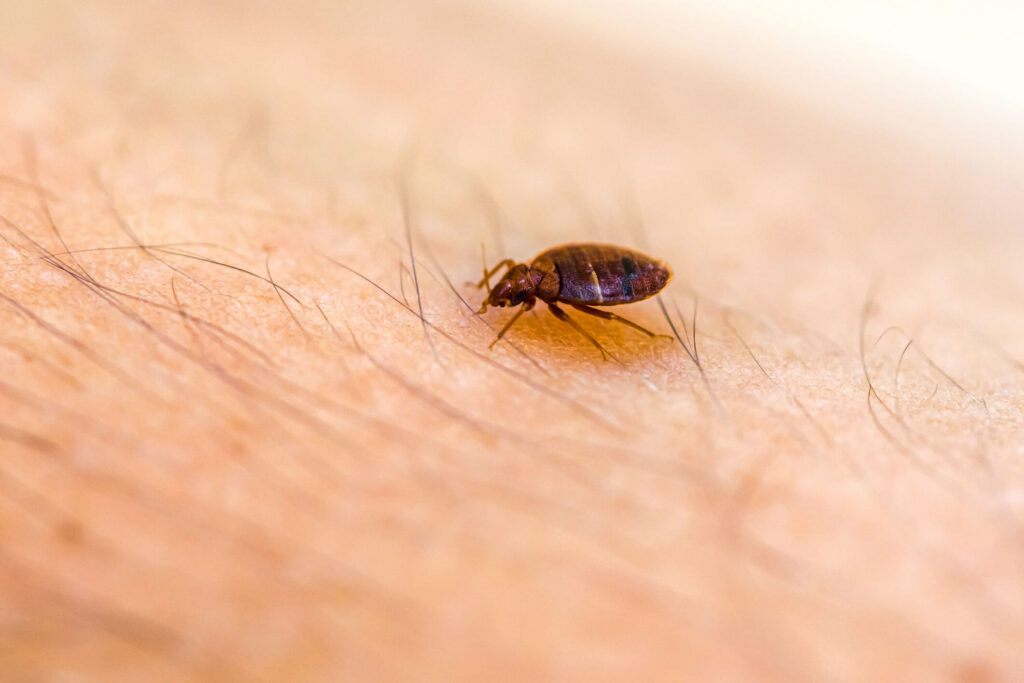
Bed bugs are moved by people and luggage, not by dirt. A five star hotel with high occupancy and international guests has as much exposure as a budget motel, sometimes more. Housekeeping standards affect how quickly a problem is noticed, not whether it arrives.
The same applies to a relative’s spare room, a vacation rental, a cruise cabin, a dormitory and a hospital chair. The checking habit is what protects you, not the choice of destination.
Bed bugs travel in luggage. Room rate has little to do with it.
The five minute room check
Do this before anything comes off your shoulder.
- Leave the luggage in the bathroom or on a hard floor by the door. Tile and a bathtub are the least likely places in the room to hold bed bugs, and nothing should go on the bed or a soft chair until you have looked
- Pull back the bedding at all four corners and look at the mattress seams, the tufts and the area around the label
- Check the box spring, especially the fabric edge and the top of the frame beneath it
- Look behind the headboard. In most hotels it lifts off a wall bracket, and this is the single most productive spot in the room. If it does not lift, run a flashlight down the gap at the wall
- Check the nightstand, particularly the drawer joints and the underside
- Check any upholstered chair, along the piping and under the cushion
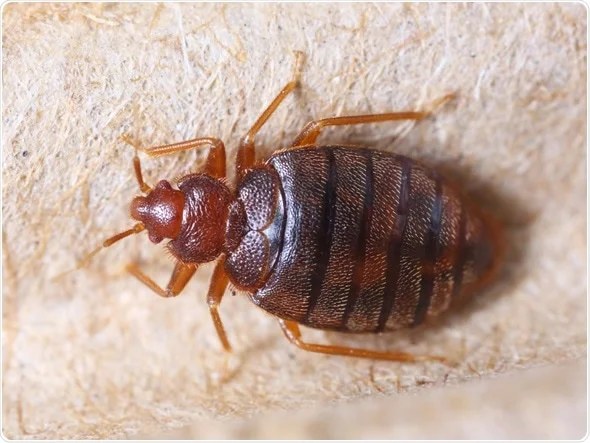
You are looking for dark pen dot spots that smear reddish brown, pale translucent shed skins, tiny pearly eggs glued into crevices, and flat oval bugs. A phone flashlight held flat against a surface is enough light.
If you find something
Do not move to another room on the same floor or directly above or below, since bed bugs spread laterally and vertically through a building. Ask for a room in a different part of the property, or change hotels.
Tell the front desk plainly. Most properties take it seriously, and a room that gets reported gets treated, which is better for everyone including the next guest.
Habits for the whole stay
Even in a room that checks out clean, a few habits remove nearly all the remaining risk.
- Use the luggage rack, pulled away from the wall and the bed. If the rack has fabric straps, the bathroom counter or the tub is better
- Never put a case on the bed, on an upholstered chair or on the floor near the bed
- Keep the case zipped when you are not actively using it, rather than left open all week
- Keep worn clothing in a sealed bag inside the case rather than loose
- Use the closet rod rather than the drawers, which are a common harborage
- Do not use the room to store things on the bed during the day
Keep luggage off soft surfaces and closed when you are not using it.
Coming home, which is the part that matters
This is where an unnoticed hitchhiker either becomes a problem or does not.
Unpack somewhere other than the bedroom. A garage, a porch, a laundry room or a bathroom. Carrying a case into a bedroom and opening it on the bed is the step that turns one bug into an infestation.
Launder everything on hot and dry on high, including clothes that were never worn. The dryer does the work: sustained high heat kills every stage including eggs, and it is the single most effective thing available to a traveler. Items that cannot be washed can go through the dryer alone on high for a full cycle.
Inspect and vacuum the case itself, paying attention to the lining seams, zip channels, pockets, wheel recesses and the handle mechanism. Empty the vacuum outside afterwards.
Store luggage away from bedrooms. A basement, a garage or a closet with a hard floor, rather than under a bed, which is the worst possible place and the most popular.
Hard sided cases are easier than fabric ones, with fewer seams and smoother interiors. Not essential, but it helps.
The dryer is the whole trick
If you remember one thing from a trip, make it this one.
Washing helps, but it is the dryer doing the work. Sustained high heat kills adults, young and eggs alike, and eggs are the stage that survives nearly everything else. A full cycle on high is enough.
That makes it worth running things that were never worn, since a case packed together shares whatever one item picked up. It also covers items that cannot be washed, which can go through the dryer dry on high by themselves.
Do this before anything goes into a closet or a drawer, not after. Clothing put away first and laundered later has already had the chance to seed a bedroom.
Sustained high heat kills every stage, including eggs that nothing else reaches.
What to watch for afterwards
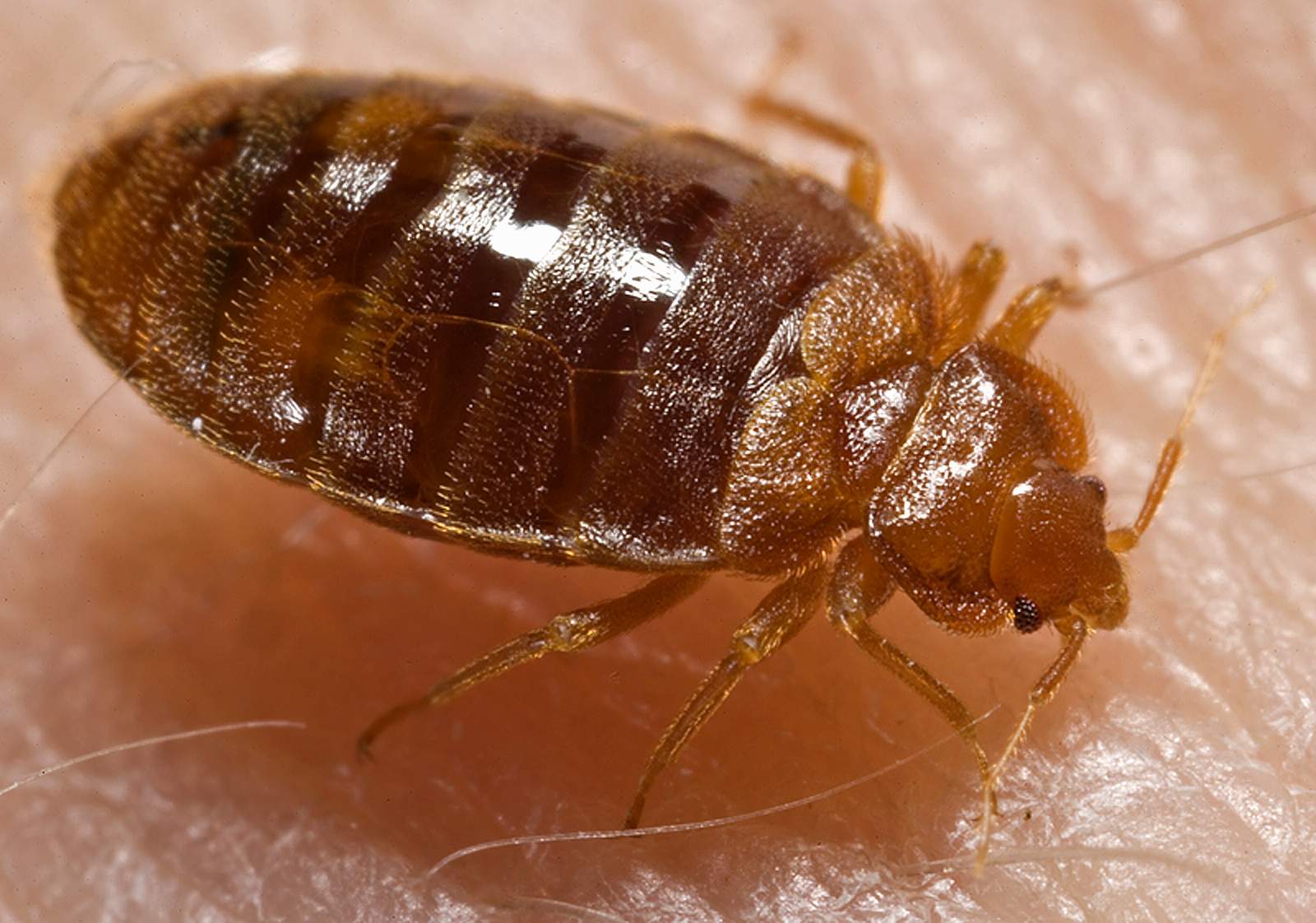
Most problems that start this way become visible within two to six weeks, as a small population grows and bites begin. Watch for bites appearing overnight in lines or clusters on arms, shoulders and neck, and for dark spotting on sheets at the mattress seam.
Checking the bed properly a couple of weeks after a trip is a reasonable habit, and it is far easier than dealing with an established population. Where to look covers it, and telling the bites apart covers the symptoms.
Other ways they travel
Hotels get the attention, but the same precautions apply to several situations people never think about.
Staying with family, where nobody inspects anything and the stay is long. Second hand furniture, which is a leading cause of home infestations on its own. Moving, where boxes and furniture from storage come in together. College dorms at move in and move out. And shared laundry facilities, where clothing from several households meets in the same machines and baskets.
In each case the same two habits cover it: keep soft items contained, and run everything through a hot dryer when it comes home.
What not to bother with
Spraying luggage with a retail insecticide accomplishes very little and is not a substitute for heat. Repellent sprays and essential oils marketed for travel have no meaningful effect. And refusing to stay anywhere but expensive hotels does not reduce exposure, since the risk does not track price.
The dryer, the inspection and keeping cases off soft surfaces are what work.
Stewart Termite & Pest Control has handled bed bugs across the Pittsburgh area since 1987. If something followed you home, call 412-822-7610 or request an estimate online.
Frequently Asked Questions
Can you bring bed bugs home from a hotel?
Yes, and it is the most common way they enter a home. They travel in luggage, clothing and bags rather than on people, so the precautions all focus on what you carry.
How do I check a hotel room for bed bugs?
Leave luggage in the bathroom, pull back the bedding and check the mattress seams and tufts, the box spring edge, behind the headboard, the nightstand and any upholstered chair.
Do expensive hotels have fewer bed bugs?
Not meaningfully. Bed bugs are moved by guests and luggage rather than by dirt, so a high occupancy luxury hotel carries as much exposure as a budget one.
What should I do with my luggage when I get home?
Unpack somewhere other than a bedroom, launder everything hot and dry it on high including unworn clothes, vacuum the case seams and pockets, and store luggage away from bedrooms.
Does a hot dryer kill bed bugs?
Yes. Sustained high heat kills every stage including eggs, which makes the dryer the most effective tool a traveler has. Items that cannot be washed can go through dry on high.
How long before I would know something came home with me?
Usually two to six weeks, as a small population grows enough to produce noticeable bites. Checking the bed a couple of weeks after a trip catches it early.