Most homeowners don’t think about termites until the damage is already done. These insects work quietly, chewing through wood framing, floor joists, and support beams without a sound. By the time you notice sagging floors or hollow walls, the colony may have been feeding for months. Termites are not a problem you can handle with […]
Most Pittsburgh homeowners only call pest control when they have an obvious problem. Ants invading the kitchen, mice in the basement, or wasps building nests trigger reactive service calls. While addressing active infestations is important, this reactive approach costs more and allows preventable damage. Annual pest inspections flip this model, catching problems early and preventing […]
Pests don’t need your permission or an open door to enter your home. They’re experts at finding and exploiting tiny openings that most homeowners never notice. Understanding where pests actually get inside helps you seal your home effectively and prevent infestations before they start. Here are the five most common entry points pests use to […]
You notice a few ants in your kitchen. A couple mice droppings in the basement. Maybe some suspicious wood damage near a window. These seem like minor issues that can wait. You’re busy, it’s not that bad yet, and maybe the problem will just go away on its own. This is exactly how small pest […]
One of the most common questions Pittsburgh homeowners ask is how frequently they need professional pest control service. The answer isn’t one-size-fits-all. The right schedule depends on your home’s pest history, location, construction, and your tolerance for pests. However, understanding the options and their benefits helps you make an informed decision. Here’s what different service […]
Pittsburgh summers bring outdoor activities, barbecues, and unfortunately, peak pest activity. Warm temperatures and high humidity create ideal conditions for insects and rodents to thrive and reproduce rapidly. Many pests that were minor annoyances in spring become serious problems by mid-summer if not addressed early. Here’s what to watch for when temperatures rise and how […]
As Pittsburgh’s temperatures drop in fall, many homeowners notice a sudden increase in spider sightings inside their homes. You might find them in corners, basements, bathrooms, or even crawling across your living room floor. This seasonal surge isn’t your imagination, there are specific reasons why fall brings more visible spider activity indoors. Understanding why this […]
Spring in Pittsburgh brings warmer weather, blooming flowers, and unfortunately, an explosion of pest activity. As temperatures rise, dormant insects wake up, rodents increase their activity, and pests of all kinds begin reproducing rapidly. Most homeowners wait until they see pest problems to take action, but that’s too late. The key to avoiding spring pest […]
Most people assume pest problems disappear when Pittsburgh’s temperatures drop and snow starts falling. While it’s true that many insects become dormant or die off in winter, several pests remain active and actually become more problematic during cold months. Understanding which pests threaten your home in winter helps you stay vigilant and address problems before […]
Ants don’t randomly wander into Pittsburgh homes. They’re actively searching for three essential resources: food, water, and shelter. Understanding what attracts ants helps you eliminate the conditions that make your home appealing to these pests. Here’s what draws ants inside and how to make your home less inviting. Food Sources Are the Main Draw Ants […]
pest management near me, exterminator services near me, bug exterminator near me, termite treatment near me
Understanding the Lifecycle of Termites in Pennsylvania
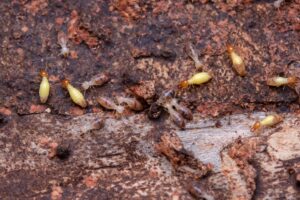
Termites undergo a complex lifecycle that significantly influences their behavior and the potential for infestations. Understanding this lifecycle—from egg to adult—can help homeowners recognize the signs of termite activity early and take preventive measures.
Termites have three main stages: egg, nymph, and adult. The nymphs resemble small adults and can mature into workers, soldiers, or swarmers, depending on the colony's needs. This adaptability allows them to thrive in various environments, making it essential for homeowners to be vigilant about inspections and treatments.
Signs of Termite Damage in Your Home
Identifying the signs of termite damage early can save homeowners significant repair costs and stress. Common indicators include mud tubes on exterior walls, hollow-sounding wood, and discarded wings near windows or doors.
Additionally, homeowners should look for frass, which is termite droppings that resemble sawdust. Regular inspections can help catch these signs before they lead to serious structural damage, emphasizing the importance of professional pest control services.
Effective Termite Prevention Strategies for Homeowners
Preventing termite infestations requires a proactive approach that includes both structural and environmental modifications. Homeowners can reduce the risk of termites by ensuring proper drainage, sealing cracks, and removing wood debris from around the home.
Moreover, applying preventative treatments such as soil barriers and bait systems can be highly effective. Regular inspections by pest control professionals can also ensure that any potential threats are identified and addressed before they develop into infestations.
Comparing Different Pest Control Methods for Termites
When it comes to termite control, several methods are available, each with its advantages and disadvantages. Homeowners can choose between chemical treatments, bait systems, and natural methods, depending on their specific needs and preferences.
Chemical treatments often provide quick results but may require precautions due to toxicity. On the other hand, bait systems offer a more environmentally friendly approach, targeting termites over time. Understanding these options can help homeowners make informed decisions about their pest control strategies.
pest management near me, exterminator services near me, bug exterminator near me, termite treatment near me
Understanding the Lifecycle of Termites in Pennsylvania
Termites undergo a complex lifecycle that significantly influences their behavior and the potential for infestations. Understanding this lifecycle—from egg to adult—can help homeowners recognize the signs of termite activity early and take preventive measures.
Termites have three main stages: egg, nymph, and adult. The nymphs resemble small adults and can mature into workers, soldiers, or swarmers, depending on the colony's needs. This adaptability allows them to thrive in various environments, making it essential for homeowners to be vigilant about inspections and treatments.
Signs of Termite Damage in Your Home
Identifying the signs of termite damage early can save homeowners significant repair costs and stress. Common indicators include mud tubes on exterior walls, hollow-sounding wood, and discarded wings near windows or doors.
Additionally, homeowners should look for frass, which is termite droppings that resemble sawdust. Regular inspections can help catch these signs before they lead to serious structural damage, emphasizing the importance of professional pest control services.
Effective Termite Prevention Strategies for Homeowners
Preventing termite infestations requires a proactive approach that includes both structural and environmental modifications. Homeowners can reduce the risk of termites by ensuring proper drainage, sealing cracks, and removing wood debris from around the home.
Moreover, applying preventative treatments such as soil barriers and bait systems can be highly effective. Regular inspections by pest control professionals can also ensure that any potential threats are identified and addressed before they develop into infestations.
Comparing Different Pest Control Methods for Termites
When it comes to termite control, several methods are available, each with its advantages and disadvantages. Homeowners can choose between chemical treatments, bait systems, and natural methods, depending on their specific needs and preferences.
Chemical treatments often provide quick results but may require precautions due to toxicity. On the other hand, bait systems offer a more environmentally friendly approach, targeting termites over time. Understanding these options can help homeowners make informed decisions about their pest control strategies.