
German cockroaches are rarely finished off in a single visit, and that surprises a lot of people. The first treatment usually works the way it should. The trouble is that it cannot touch the eggs that are already sitting in the walls and cabinets, waiting to hatch.
Understanding why helps you set realistic expectations, judge whether treatment is actually working, and avoid the mistakes that drag it out. It also explains why professional roach control is planned as a process rather than a single spray.
Why one treatment is rarely enough
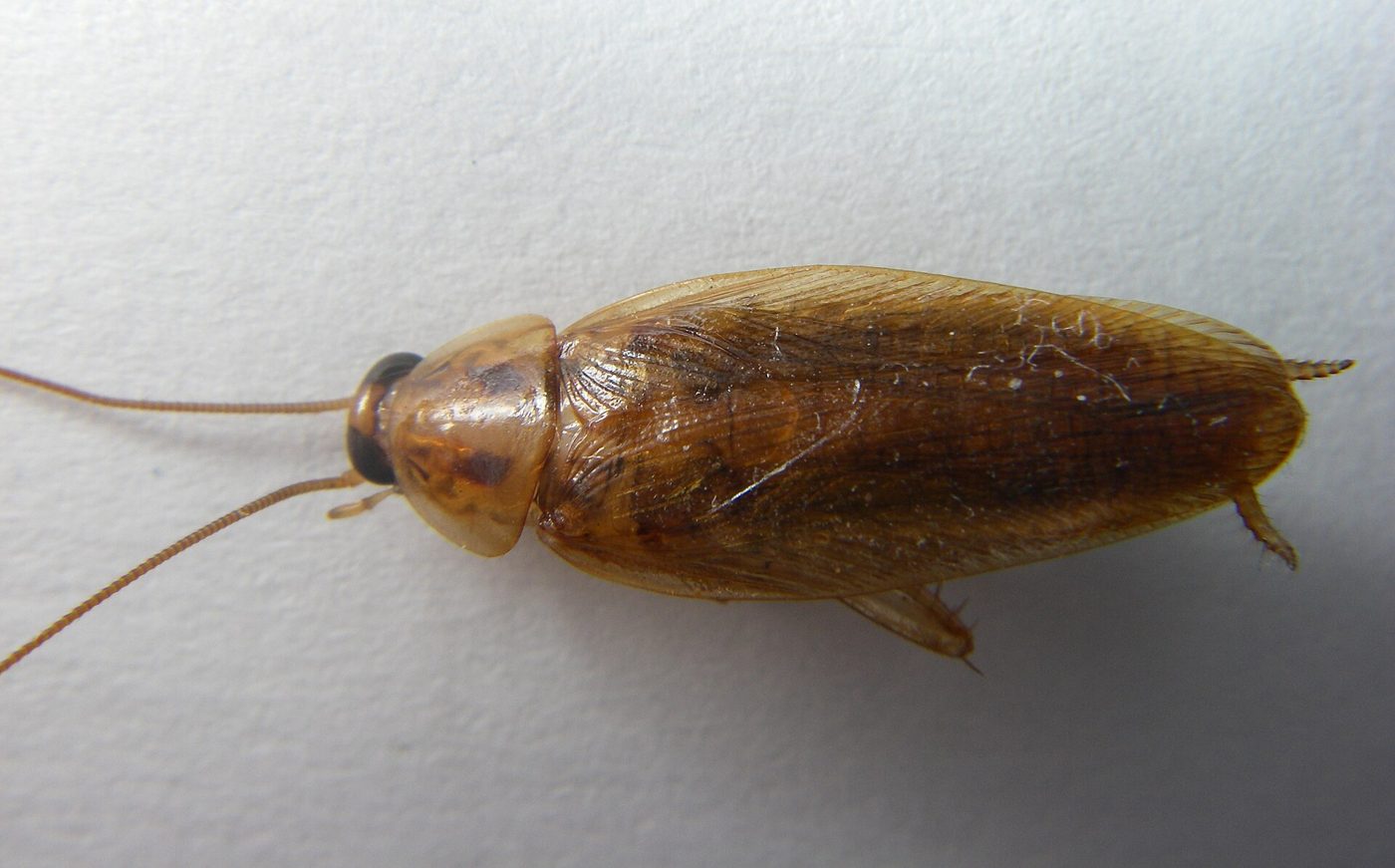
The German cockroach is the small, light brown roach found in kitchens and bathrooms. Adults are a little over half an inch long, with two dark parallel stripes on the shield behind the head. Unlike the larger roaches that wander in from basements and drains, German cockroaches live their whole lives indoors.
Three things make them harder to finish than most household pests.
- They breed quickly. Nymphs can mature into breeding adults within a couple of months in a warm home, so a population that is knocked back can rebuild fast.
- They hide in tight spaces. Cabinet hinges, the gap behind a refrigerator, the motor housing of an appliance, and the void behind a sink are all typical shelters.
- They stay out of sight. They are active at night, so the number you see is a small fraction of the number living there.
An adult German cockroach is light brown with two dark stripes behind the head. This is the species that lives entirely indoors.
The egg case problem
A female German cockroach carries her egg case, called an ootheca, attached to her body until the eggs are nearly ready to hatch. Each case holds a few dozen eggs, and the tough casing shields them from most of the products used in treatment.
That is the heart of the issue. A treatment can kill most of the adults and older nymphs present on the day it happens, while the eggs inside those cases survive it. A week or two later a new wave of nymphs emerges into a home that looks, at first glance, like it was already treated.
Those young roaches have to encounter bait or treated surfaces before they are old enough to reproduce. If they do not, the cycle starts over. Follow up exists to close that gap.
What the first visit is for
The first visit has two jobs: find out where the roaches are living, and knock down the active population.
A good inspection looks for droppings that look like ground pepper or coffee grounds, shed skins, egg cases, live roaches, and the musty odor a larger population produces. It concentrates on kitchens, bathrooms, laundry areas, and anywhere plumbing passes through a wall or floor. That tells the technician how far the problem has spread and where the main shelters are. Stewart’s roach inspections are free.
Treatment is then placed directly into cracks, crevices and voids where roaches shelter, rather than sprayed across open counters and floors. Most effective programs rely on gel baits, which foraging roaches eat and carry back to their hiding spots, and insect growth regulators, which interfere with development so that nymphs hatching later cannot mature into breeding adults.
What follow up is for
The first visit reduces the population. Follow up is where the problem actually gets finished.
How many visits a home needs depends on the size of the population, the layout, how much clutter there is, and whether the roaches are coming from somewhere else in the building. A provider should explain that after the inspection rather than promise a fixed number up front.
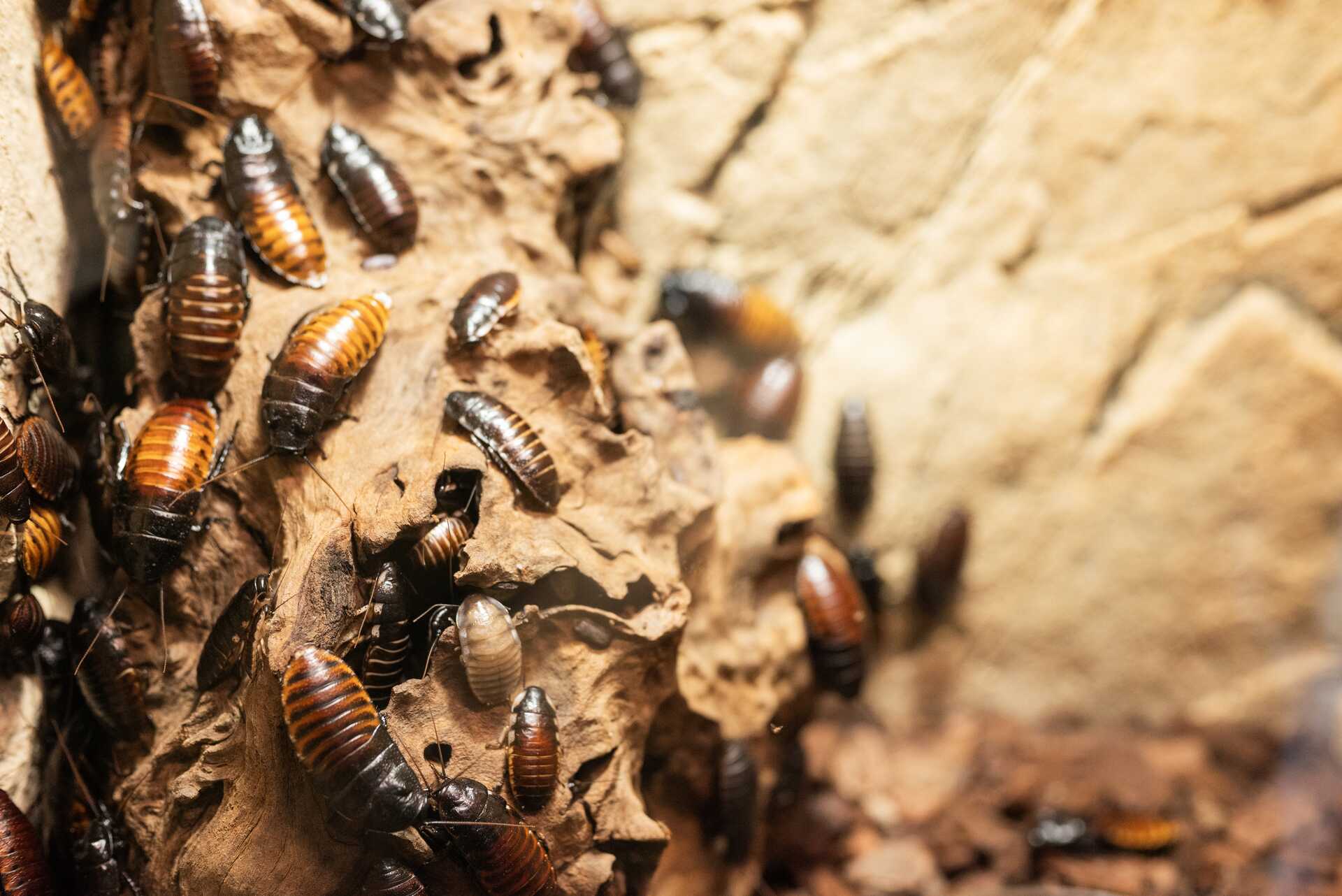
German cockroaches crowd together in protected spots. Follow up checks whether those groups are shrinking or have moved.
Catching the next hatch
Egg cases that survived the first treatment hatch on their own schedule. Checking back after that hatch is how the new nymphs get dealt with before they breed.
Reading the bait
Bait that has been eaten shows where roaches are still active. Bait that has not been touched may be in the wrong spot or may be a formulation that population avoids.
Adjusting the plan
German cockroaches are well known for resistance to some insecticides, and some populations learn to avoid particular baits. Switching products when one is not working is only possible if someone comes back to look.
Finding what was missed
Sticky monitors placed in cabinets and behind appliances show whether numbers are dropping and where pockets remain.
The first treatment does not fail when you see small roaches a week or two later. Those are the eggs that were already there hatching. What matters is that they meet treatment before they are old enough to breed, which is exactly what follow up is for.
Why older Pittsburgh homes make it harder
Pittsburgh’s housing works in the German cockroach’s favor. Older homes have decades of settled plaster, gaps around pipes, and cracks behind trim that give roaches endless places to hide. Basements with old plumbing and damp utility areas supply the moisture they need, and heated homes keep them breeding all winter.
Attached housing adds another layer. In rowhouses and apartment buildings in neighborhoods like the South Side, Lawrenceville and Bloomfield, roaches can travel between homes along shared walls and plumbing runs. If the unit next door is infested, a perfectly good treatment in your home can keep getting refilled. That situation has its own approach, covered in cockroaches in Pittsburgh apartments and rowhouses.
German cockroaches also arrive by hitchhiking in grocery bags, cardboard boxes, used appliances and secondhand furniture, so even a very clean home can pick them up.
What slows treatment down
Some of the most common delays come from well meant efforts at home.
- Spraying store bought aerosols. Most retail sprays repel roaches. They push the population deeper into walls and into other rooms, and they make the area around the bait unattractive.
- Cleaning the bait away. Wiping cabinet hinges and crevices with strong cleaners can remove or contaminate placements. Clean around them instead.
- Leaving other food out. Bait competes with crumbs, grease, pet food and open dry goods. The less else there is to eat, the faster the bait gets eaten.
- Ignoring water. A dripping faucet, a leaking drain line or condensation under a sink keeps a population going.
- Clutter and cardboard. Stacks of boxes and paper bags give roaches shelter that treatment cannot reach.
If you are not sure whether a habit is helping or hurting, why you should never squish a roach covers the reactions that tend to backfire.
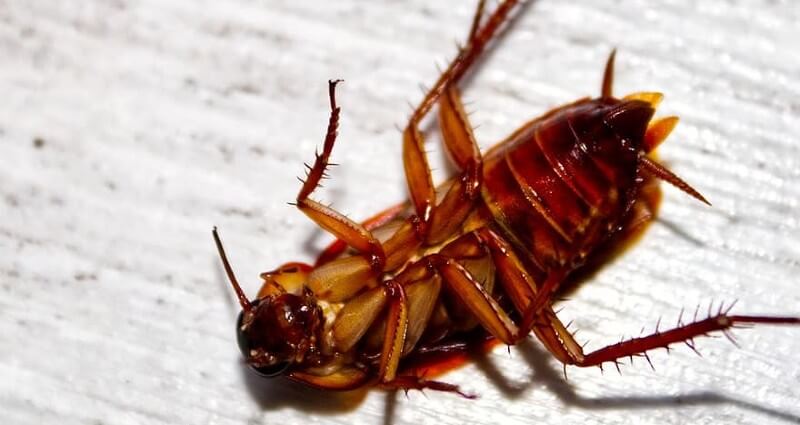
Roaches that have fed on bait often die out in the open, sometimes on their backs. Seeing a few in the days after treatment is normal.
How to tell treatment is working
Progress with German cockroaches is gradual rather than sudden, so it helps to know what to look for.
- Fewer sightings over time, even if you still see a few, especially at night
- Dead or dying roaches in the open during the first days after treatment, which means they are reaching the bait
- Small nymphs that tail off after the first hatch rather than continuing week after week
- Emptier monitors at each check
Warning signs are the opposite: daytime sightings that do not drop, a steady supply of nymphs a month or more in, or activity spreading into rooms that were clear. Any of those is worth raising with your provider so the plan can be adjusted. If you are still deciding whether to bring in help at all, when to call a professional lays out where that line sits.
Questions to ask before treatment starts
A few questions make it clear what you are getting.
- How will follow up be handled, and what decides when it happens?
- How will progress be measured, with monitors, bait checks or both?
- What should I do and avoid between visits?
- What happens if roaches come back after the service, and what does the warranty cover? Stewart’s roach service carries a 90 day warranty.
Stewart Termite & Pest Control has treated German cockroaches in Pittsburgh homes since 1987, and roach inspections are free. Call 412-822-7610 or request an inspection online.
Frequently Asked Questions
Why do I still see small roaches after treatment?
Egg cases protect the eggs inside from most treatments, so nymphs often hatch a week or two after the first visit. That is expected, and it is the reason follow up is part of a German cockroach plan.
How many visits does German cockroach treatment take?
It depends on how large the population is, how cluttered the space is, and whether roaches are coming in from a neighboring unit. A provider should explain that after the inspection instead of promising a fixed number.
Can I spray roaches between visits?
It is better not to. Most retail sprays repel roaches, which scatters them into walls and other rooms and makes the bait less attractive.
Is there a warranty on Stewart’s roach service?
Yes. Stewart’s roach service carries a 90 day warranty, and roach inspections are free.