

Termites and cockroaches are both relentless, and they are not the same kind of problem. One eats the structure of the house. The other makes the inside of it unhealthy. Which is worse depends entirely on what you are measuring.
The straight comparison
Both are worth handling properly, and the one that quietly costs the most is the one nobody sees, which is why termite inspection tends to be the overdue item rather than the roach call.
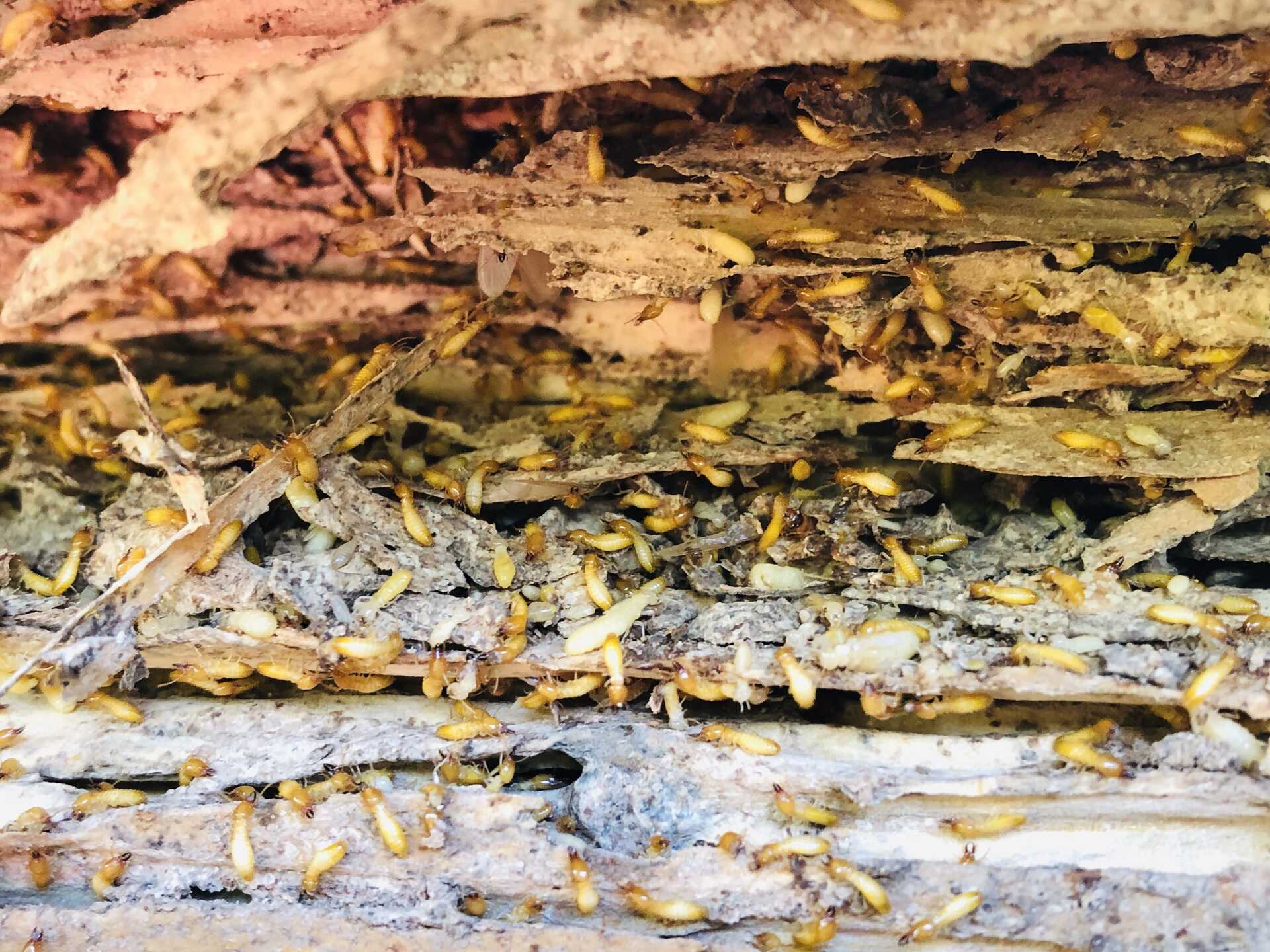
Termites cause billions of dollars in structural damage nationally every year. They feed on cellulose, so any wood in the house qualifies, and they work invisibly, hollowing framing long before anything shows on the surface.
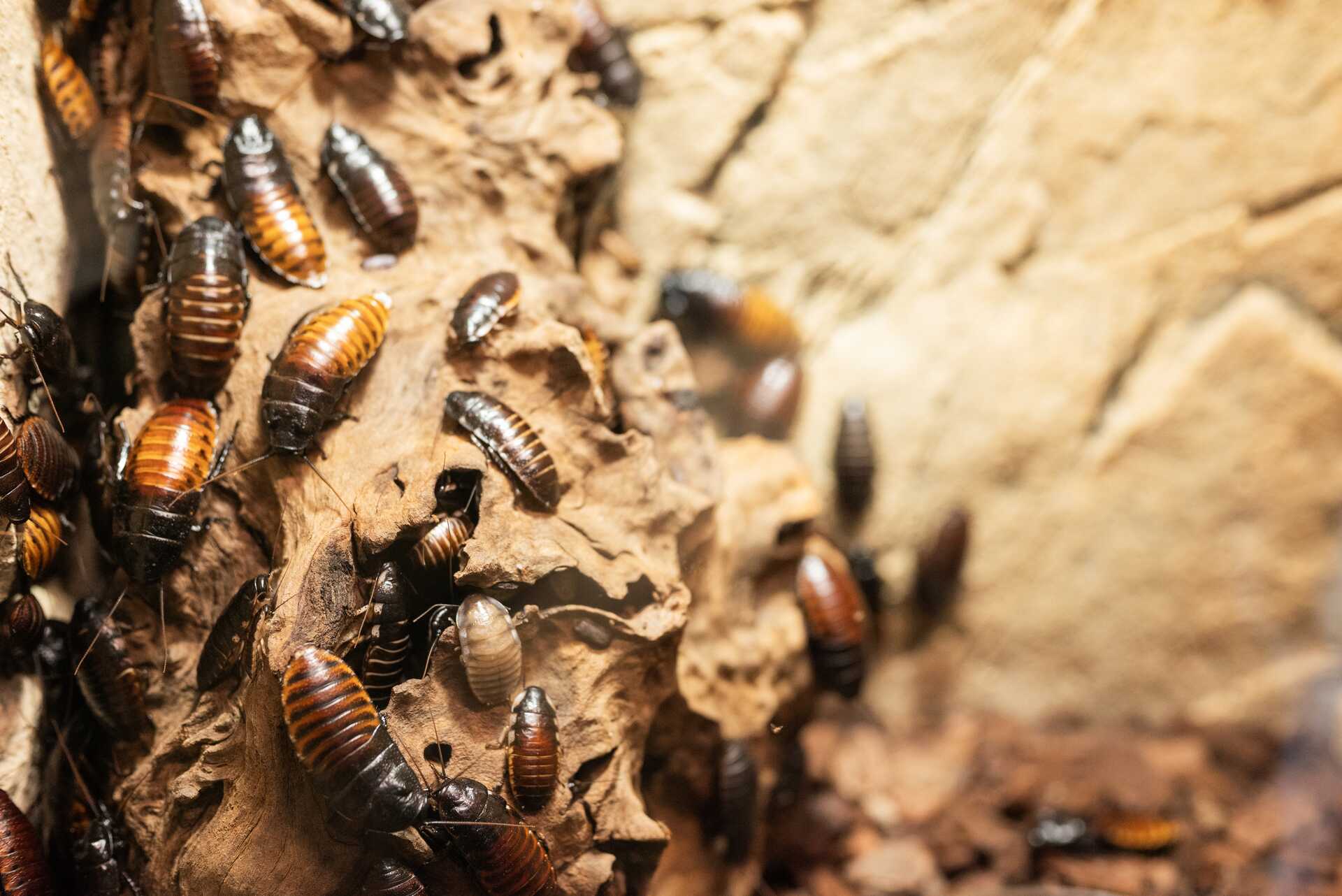
Cockroaches will not damage the structure. What they do is contaminate it. They carry bacteria through kitchens and bathrooms, and their droppings and shed skins are a well documented asthma and allergy trigger, particularly for children.
Structurally, termites are worse without argument. For daily living conditions and health, roaches are the bigger problem.
Termites damage the parts of a house that carry load, and they do it out of sight.
Why termite damage is the expensive one
Termites do not announce themselves. A subterranean colony can feed for years before the first mud tube is spotted or a floor starts to feel soft, and by then the cost has moved from treatment into carpentry. Homeowners insurance generally excludes termite damage, because insurers treat it as preventable rather than sudden.
Colony size is part of why. A mature subterranean colony can hold hundreds of thousands of workers feeding continuously, and in Pennsylvania the eastern subterranean termite is the species doing it. How fast can termites destroy a house covers that timeline.
Why roaches are the health one
Cockroaches travel through drains, wall voids and waste before walking across counters and into cabinets, which is how they move bacteria around a kitchen.
The allergen side is the more serious part. Roach allergens accumulate in dust and are a recognized asthma trigger, which matters most in homes with children or anyone with respiratory problems.
German cockroaches, the species behind most indoor infestations, also reproduce quickly and hide in places that make them persistent: behind appliance motors, inside cabinet voids, under sinks. Roach control is a different job from termite work for exactly that reason.
Roach problems concentrate where food, water and warmth meet.
Side by side
| Termites | Cockroaches | |
|---|---|---|
| Main harm | Structural damage | Contamination and allergens |
| Visible? | Rarely, until damage shows | Yes, especially at night |
| Speed | Years of slow damage | Weeks to a serious infestation |
| Where they live | Soil outside, framing inside | Kitchens, bathrooms, wall voids, drains |
| Health risk | Minimal | Bacteria, asthma and allergy triggers |
| Insurance | Generally excluded | Not applicable |
| DIY outlook | Poor, colony is out of reach | Poor, they breed faster than sprays work |
Which to deal with first
If you have both, treat the roaches first and the termites immediately after. That is not a judgment about which is worse. It is that a roach infestation worsens in weeks while a termite colony worsens over months, and the health exposure is happening now.
The termite work still cannot wait long. Every season of delay is more wood gone, and unlike roaches, the damage does not reverse once the insects are dealt with.
How each one gets worse
The two problems escalate on completely different clocks, and that is the practical difference for a homeowner deciding what to do this week.
A German cockroach population grows by reproduction indoors. Egg cases hatch in weeks, and a handful of insects behind a dishwasher becomes a kitchen-wide problem over a single season. Escalation is visible, fast and happening in the room you cook in.
A termite colony escalates by consumption rather than by appearing. It is already large before anyone notices it, and what grows is the volume of wood removed from the structure. Nothing looks different month to month, which is exactly why it runs for years.
So roaches create urgency on their own and termites never do. The termite deadline is set by what the colony is quietly eating, not by anything a homeowner can observe.
What they have in common
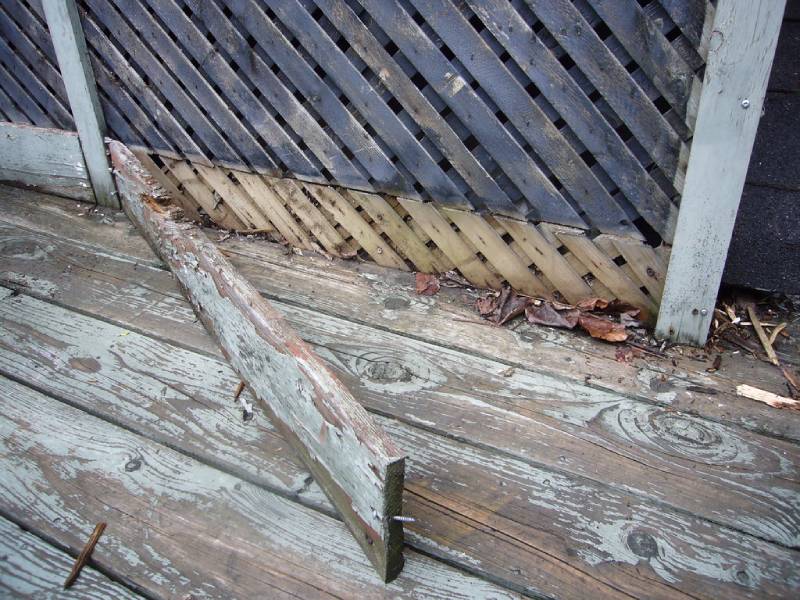
Both follow water. Termites need soil moisture and damp wood. Roaches need a water source more urgently than a food source, which is why they cluster under sinks and behind dishwashers.
Both also resist retail products for the same underlying reason: what you can see is a fraction of what is there. Spraying visible insects leaves the colony or the breeding population untouched, and in both cases repellent products can scatter the problem into harder places.
And both reward early action heavily. A small roach problem is a short job. An established one means weeks of follow up. A termite colony found early is a treatment, found late it is a treatment plus a contractor.
Moisture is the common thread. Both problems get easier when the house is dry.
Signs of each
Termites: mud tubes on foundation walls or joists, wood that sounds hollow when tapped, piles of matching shed wings near windows in spring, floors that feel soft, doors that stop fitting.
Roaches: live insects when a light goes on at night, droppings that look like coarse pepper or dark specks in drawers and cabinet corners, egg cases, shed skins, and a musty smell in a bad infestation.
The answer to the question
Termites are worse for the house. Roaches are worse for the people in it. If the question is which costs more, it is termites, because the damage is permanent and uninsured. If the question is which affects daily life sooner, it is roaches.
Prevention for each
The two prevention lists overlap on water and diverge on everything else.
For termites, the work is outside and underneath. Break wood to soil contact, extend downspouts, correct grading that slopes toward the house, keep mulch thin and back from the siding, move firewood off the ground, ventilate crawl spaces and fix leaks.
For roaches, the work is inside and mostly in the kitchen. Fix dripping faucets and supply lines, because water matters more to them than food. Store dry goods in sealed containers, clear crumbs from under and behind appliances, empty trash cans regularly, and seal gaps around pipes under sinks and behind cabinets where they travel between units and wall voids.
In an apartment or an attached house the roach work has a limit, because a population can live in shared voids and move between units. That is when a building wide approach matters more than anything done in one kitchen.
Stewart Termite & Pest Control handles both in Pittsburgh homes and has since 1987. For an inspection, call 412-822-7610 or request an estimate online.
Frequently Asked Questions
Are termites or roaches worse?
Termites are worse for the structure, because the damage is permanent and generally not covered by insurance. Roaches are worse for health, because they spread bacteria and trigger asthma and allergies.
Which should I treat first if I have both?
Roaches, because an infestation worsens in weeks and the health exposure is immediate. Termite treatment should follow quickly, since delay means more structural damage.
Do cockroaches damage a house?
Not structurally. They contaminate surfaces and stored food, and their droppings and shed skins accumulate as allergens in household dust.
Why are both so hard to treat yourself?
In both cases the visible insects are a fraction of the population. Termite colonies live in soil out of reach, and roaches breed in wall voids and appliance housings faster than retail sprays reduce them.
Does one attract the other?
No, but they share a cause. Both are drawn to moisture, so a house with leaks or damp spaces is more hospitable to each of them.
Can roaches trigger asthma?
Yes. Cockroach allergens in household dust are a recognized asthma trigger, which is why infestations matter most in homes with children or people with respiratory conditions.