Some pests are a nuisance you deal with once. Others defeat repeated attempts, cost real money and take months. The difference is not how unpleasant they are, it is a handful of specific biological and behavioral traits.
Here are the hardest ones in this area, what makes each difficult, and what actually works. All of them are handled by professional pest control rather than retail products, for reasons that become obvious below.
What makes a pest hard
Before the list, the traits. Nearly every difficult pest has several of these.
- Hidden harborage, living in wall voids, soil or appliance housings where treatment cannot easily reach
- Protected eggs that survive what kills the adults, forcing repeat visits timed to the hatch
- Fast reproduction, outpacing removal
- Insecticide resistance built up over decades of use
- Scattering under pressure, where repellent products spread a population instead of reducing it
- Reinvasion, from neighboring units or from outdoors, regardless of what you do indoors
- Long survival without food, defeating any strategy based on waiting
The same handful of traits turn up in every genuinely difficult pest.
Bed bugs
Usually the hardest, and they collect almost every trait on the list.
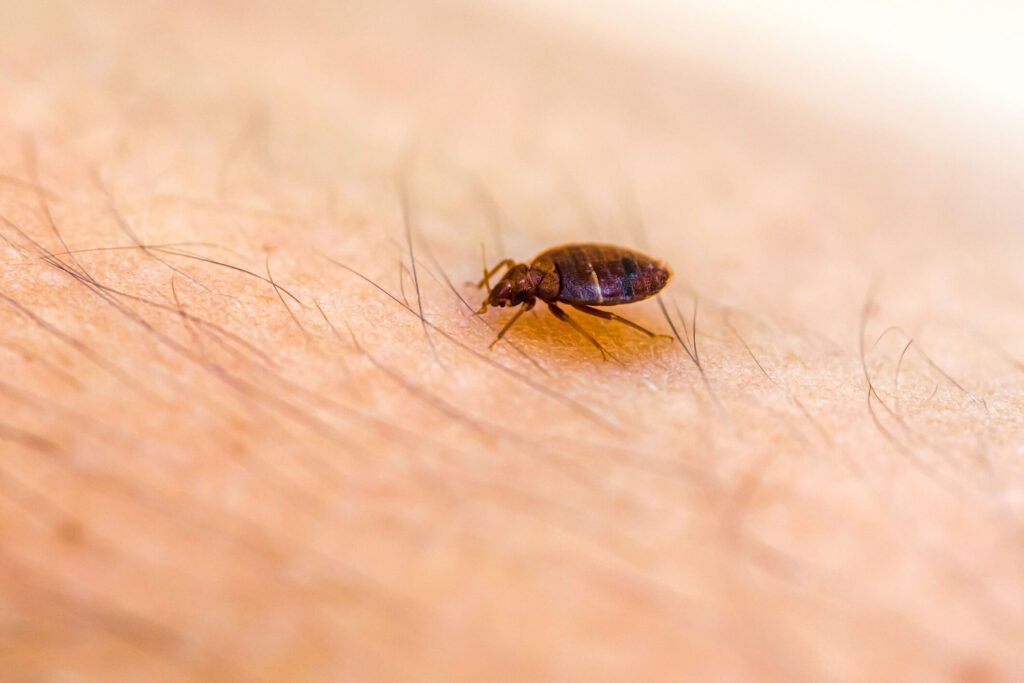
Populations carry widespread resistance to pyrethroids, which are the active ingredients in nearly every retail spray. Eggs are cemented into cracks with a shell that contact products do not penetrate, and they hatch over one to two weeks, producing the classic false victory. The bugs harbor in headboards, frame joints, outlet voids, baseboard gaps and furniture across the room rather than conveniently in the mattress. Most retail products repel, so a homeowner’s first response scatters them into walls and adjoining rooms. Adults survive months without feeding, defeating the plan of leaving a room empty. And a single mated female can restart the whole thing.
What works is a combination: inspection to establish the spread, non repellent products placed into harborage, rotation of active ingredients, mechanical removal by vacuum, encasements, and repeat visits timed against the hatch cycle. Why bed bugs survive DIY treatment goes through it.
German cockroaches
The indoor breeding roach, and a different problem from the large ones that wander in from a drain.
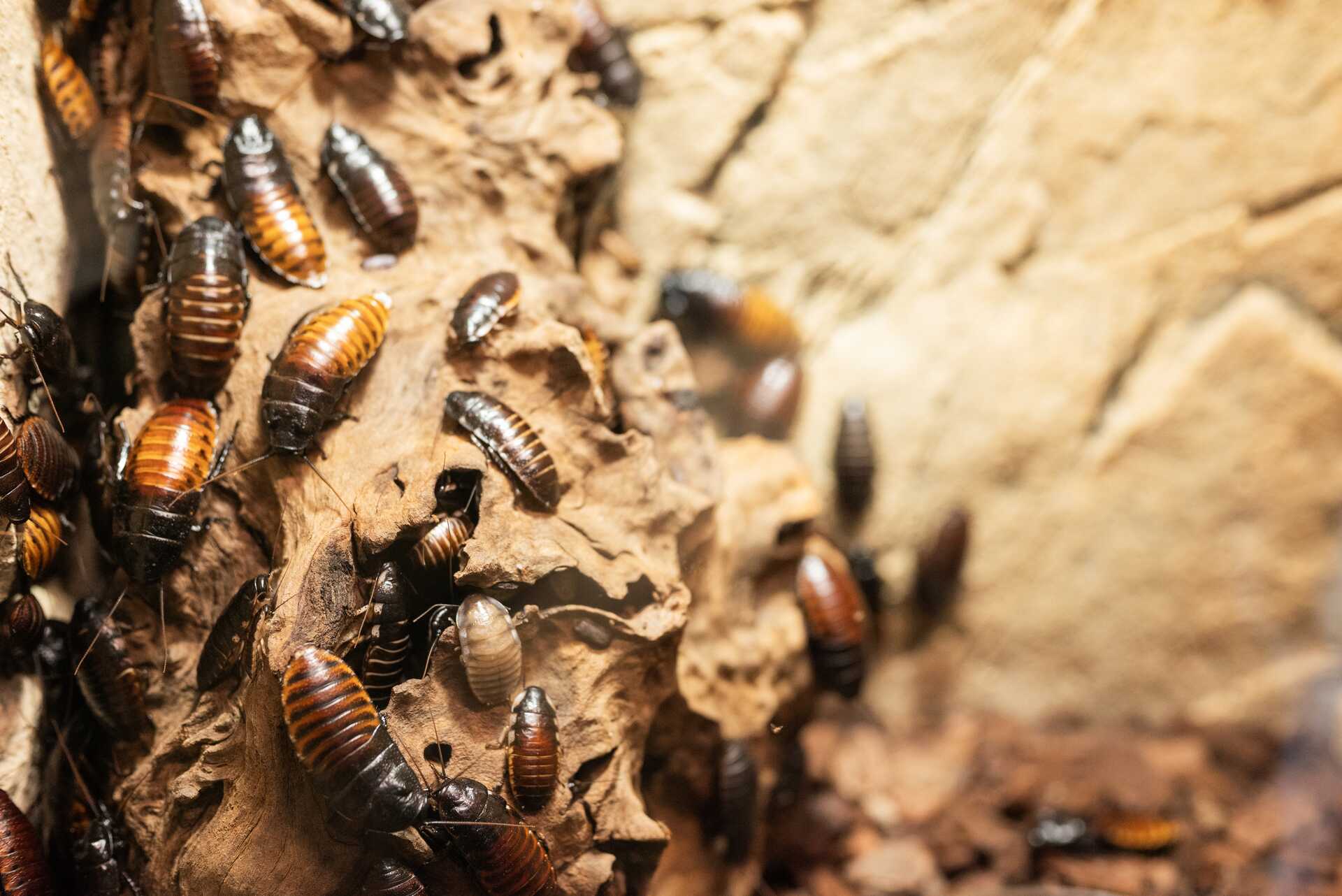
They reproduce quickly, with a female producing an egg case holding roughly forty eggs and several in a lifetime, so a population compounds faster than individuals can be removed. The egg case is hardened and largely unaffected by treatment. They shelter inside cabinet carcasses, appliance motor housings, under built in dishwashers and in wall voids, where surface spraying never reaches them. Some populations show bait aversion, refusing particular formulations. And retail sprays repel, scattering them deeper into the structure.
In an apartment building they add reinvasion, traveling along pipe chases from units that are not being treated.
What works is finding the harborage, placing gel bait into crevices rather than onto surfaces, rotating formulations, using insect growth regulators to stop nymphs maturing, vacuuming out the existing population, and treating adjoining units.
Fast reproduction plus unreachable harborage is a difficult combination.
Termites
Hard for a different reason: by the time anyone knows, the problem is years old.
Subterranean termites live in soil and reach a building through mud tubes and hidden entry points, so the colony is not in the structure and cannot be treated by treating the structure. They work inside wood, leaving the surface intact, which is why damage goes unnoticed. A mature colony holds enormous numbers, and the foraging range extends well beyond one property.
They are also the most expensive to get wrong, because the cost is structural repair rather than treatment, and insurance does not cover it.
What works is a properly installed soil treatment or baiting system that reaches the colony rather than the workers in the wood, plus moisture correction and ongoing monitoring. This is not a DIY category at all.
Pharaoh ants
Less common in homes than in apartments, hospitals and commercial kitchens, and genuinely difficult when present.
Their defining trait is budding: under pressure from a repellent product, a colony splits into several smaller colonies in new locations. Spraying them reliably turns one problem into five. They nest in inaccessible voids, maintain multiple queens so removing one changes nothing, and form interconnected satellite colonies across a building.
The only approach that works is baiting, carefully and patiently, with no repellent products used anywhere nearby. It is the clearest example of why spraying can be worse than doing nothing.
Carpenter ants
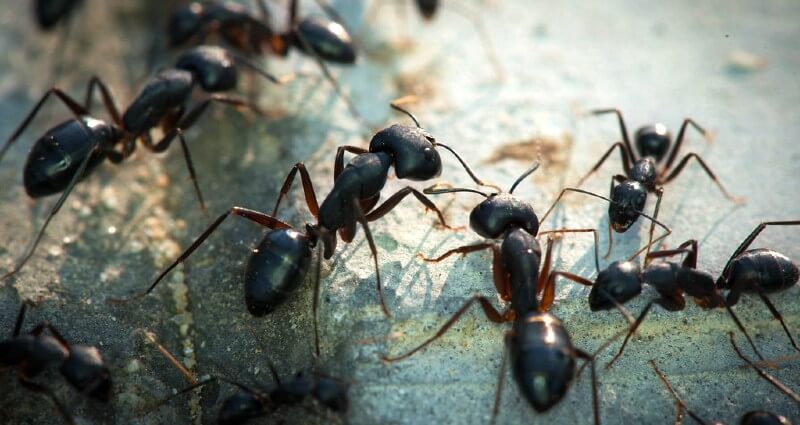
Difficult mainly because of how they are organized.
A colony typically keeps a parent nest outdoors in a stump or dead limb, with satellite nests inside a structure. Treating one satellite leaves the rest, and the parent keeps supplying more. They nest inside damp wood, so the nest is hidden within the structure, and the moisture problem that attracted them is usually still there after treatment.
What works is locating the nests rather than treating the trails, dealing with the parent colony outdoors, and correcting the water source. Skipping the last step guarantees a repeat.
Satellite nests and a parent colony outdoors make partial treatment temporary.
Fleas
Underestimated, and the reason is the pupal stage.
Flea pupae are encased in a cocoon that insecticides do not penetrate, and they can remain dormant for weeks or months waiting for vibration, warmth and carbon dioxide to signal a host. That is why a treated house goes quiet and then produces a fresh wave, and why a vacant property can erupt the moment someone moves in.
What works is treating the environment rather than only the pet, maintaining veterinary flea control on every animal, and vacuuming frequently afterwards, which is one of the few cases where cleaning helps because the vibration prompts pupae to emerge into treated areas.
What the hard ones have in common
Three things, and they explain the pattern.
The visible population is a fraction of the whole, so judging progress by what you can see is unreliable. The reproductive stage is protected from whatever kills the adults, so one application is never enough. And the intuitive response, which is to spray what you can see, makes several of them actively worse by scattering the population.
That is also why the common advice across all of them is the same: identify correctly, find the harborage, use bait or non repellent materials, and expect to repeat on a schedule.
When to stop trying alone
Daytime activity in a nocturnal species, young or immature individuals, egg cases, evidence in more than one room, or no improvement after two to three weeks of genuine effort. Any of those means the population is established rather than incidental, and established populations of the pests above do not resolve from a hardware store.
Stewart Termite & Pest Control has handled the difficult ones across Pittsburgh since 1987. Call 412-822-7610 or request an estimate online.
Frequently Asked Questions
What is the hardest pest to get rid of?
Bed bugs, generally. They combine insecticide resistance, protected eggs, harborage spread across a room, scattering under repellent sprays and months of survival without feeding.
Why are German cockroaches so hard to eliminate?
They reproduce fast, their egg cases resist treatment, they shelter inside cabinet carcasses and appliance housings where sprays cannot reach, and some populations refuse particular baits.
Why are termites difficult?
The colony lives in soil rather than in the building, so treating the structure does not reach it, and the damage is hidden inside wood for years before anyone notices.
Why do fleas come back after treatment?
The pupal stage is protected by a cocoon that insecticides do not penetrate, and pupae stay dormant for weeks or months until vibration and warmth signal a host.
Can spraying make a pest problem worse?
Yes. Repellent products scatter bed bugs and cockroaches into wall voids and other rooms, and cause pharaoh ant colonies to split into several new colonies.
How do I know when to call someone?
Daytime activity in a nocturnal pest, immature individuals or egg cases, evidence in more than one room, or no improvement after two to three weeks of real effort.