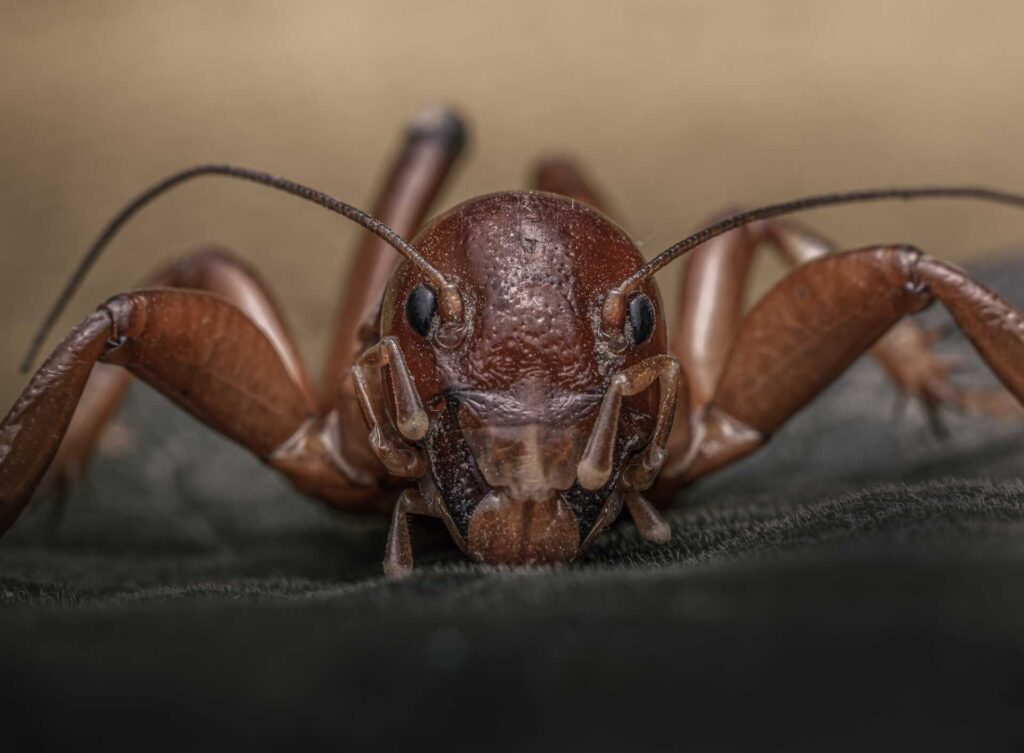

A few weeks back, I took a call from a homeowner in Mt. Lebanon who sounded genuinely defeated. We had treated her kitchen for ants about ten days earlier, and now she was spotting more of them than before we ever pulled into her driveway. She was convinced we had somehow made the problem worse. I hear that exact worry more often than you might guess, and the reason behind it tends to catch people off guard. So instead of letting you panic the way she did, let me walk you through what is really happening under the surface, and what your smartest next move should be.
Is It Normal for Bugs to Come Out After Pest Control?
Yes, and here is the part nobody warns you about. Many modern treatments rely on non-repellent products that pests cannot detect, so they stroll right through the application and carry it back to the rest of the nest. That burst of activity you are seeing is often the colony emptying out, not booming. Think of it as bugs walking into a trap they cannot smell or taste. In most cases, a short-lived spike means the pest control products are doing precisely what they were built to do.
What to Do If Pests Return After Treatment in the First Two Weeks
The first ten to fourteen days are a waiting game, and patience genuinely pays off here. Resist the urge to grab a can of store spray, because repellent products from the hardware aisle can scatter a colony and cancel out the slow-acting bait your technician laid down. Instead, dig out the service agreement you signed with us, or with whichever exterminator handled the original job. Most reputable companies, ours included, fold free flare-up visits into a warranty or maintenance plan, so a follow-up may cost you nothing. If you still see steady traffic past the two-week mark, that is your clear cue to pick up the phone.
Keep a Quick Activity Log
Snap a few photos and jot down where you are seeing the most movement and at what time of day. When your technician returns, that small log turns a guessing game into a targeted fix. It is honestly the most useful thing a homeowner can hand me on a second visit.
Why Do Termites Keep Coming Back After Treatment?
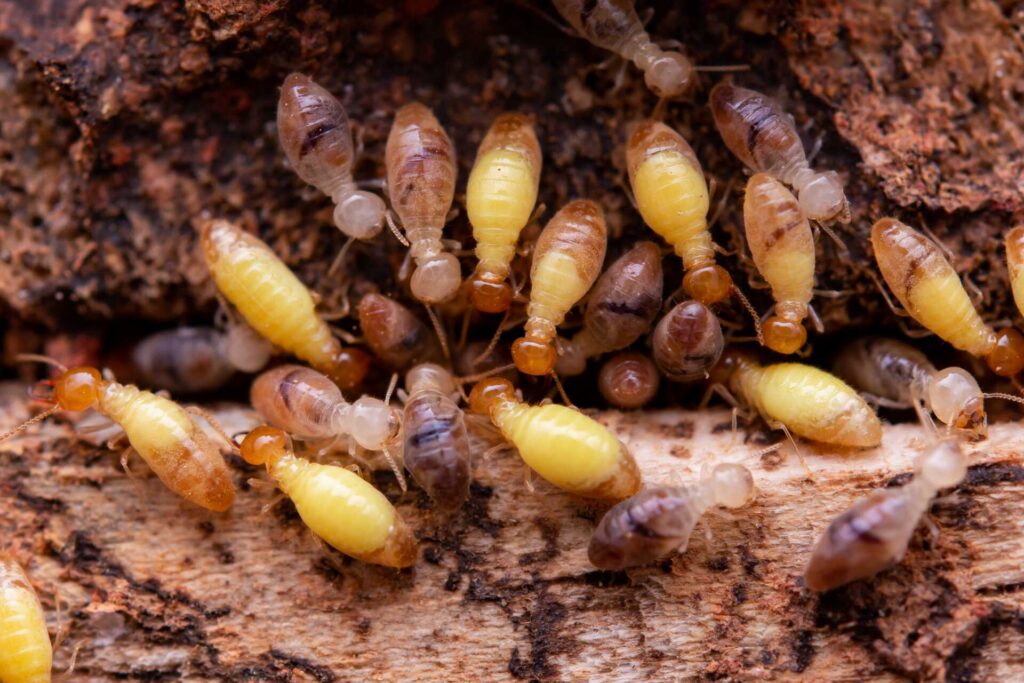
Termites are stubborn for reasons that have less to do with the treatment and more to do with the structure itself. A single colony can hold hundreds of thousands of workers, and they forage silently through soil and wood for years before anyone notices. If moisture problems, wood-to-soil contact, or buried scrap lumber near the foundation go unaddressed, you are basically leaving the porch light on for the next wave. A solid termite job pairs the chemical barrier or bait system with correcting those conducive conditions. Skip that second half, and even a flawless application can feel like it failed you.
What Is the Hardest Bug Infestation to Get Rid Of?
People expect me to say termites, but the honest answer is usually German cockroaches or bed bugs. Both breed at a blistering pace, tuck into spots you would never think to check, and shrug off any one-and-done spray. Below is a quick look at the usual hard cases and why they tend to linger.
| Pest | Why It Returns | What Actually Helps |
|---|---|---|
| German cockroach | Rapid breeding, hidden egg cases | Baiting, sanitation, repeat visits |
| Bed bugs | Hitch rides on luggage and furniture | Heat or targeted chemical rounds |
| Termites | Huge colonies, concealed access points | Barrier or bait plus moisture repair |
| Odorous house ants | Multiple satellite nests | Non-repellent baiting, no DIY spray |
The thread running through every row is the same: quick fixes rarely hold. Lasting results come from a plan and a little follow-through, not a single heroic visit.
How Long Do You Have to Wait After Fumigating a House?
Fumigation is a completely different animal from a routine perimeter spray, and its timeline is not something to improvise. For a tented whole-house job, you are usually looking at twenty-four to seventy-two hours before reentry, depending on the product used, the weather, and the size of the home. The fumigator clears the structure only after testing the indoor air with monitoring equipment and confirming the readings are safe for people and pets. Never rush this step or rely on a rough guess, because the gases involved are nothing to gamble with. When there is any doubt at all, wait for written clearance from the licensed professional rather than a ballpark time.
What to Do If Pests Return After Treatment Around the House
A good treatment buys you a clean slate, but your daily habits decide whether that slate stays clean. Pests return for one core reason, which is that something in or around the house is still feeding or sheltering them. Strong pest prevention is mostly about quietly removing those invitations, and it splits neatly into indoor and outdoor work.
Inside the Home
Wipe your counters every night, move dry goods into airtight containers, and finally fix that drippy faucet you have been ignoring for months. Pull the refrigerator and stove out now and then to clean the grease and crumbs hiding behind them, because those spots are a buffet line for roaches. Pet bowls left out overnight are another quiet attractant, so lift them before bed.
Outside the Home
Trim shrubs and tree branches back a couple of feet from your siding, and shift firewood and yard clutter well away from the foundation. Standing water and overgrown flower beds are nesting grounds, plain and simple. A tidy perimeter protects your home far more than most folks realize.
Sealing the Gaps That Let Them Back In
You can treat the place all day long, but if the doors are propped wide open, the guests keep showing up. Walk your exterior with a tube of caulk and seal cracks in the siding along with the gaps around pipe and utility entries. Add fresh weatherstripping, patch torn window screens, and make sure your door sweeps actually touch the threshold. These humble repairs are the backbone of real pest prevention, and they cost a fraction of a repeat infestation. For a plain-spoken outside resource, the EPA’s Do’s and Don’ts of Pest Control is worth a read.
When What to Do If Pests Return After Treatment Means Calling Us Back
Sometimes you do everything right and the bugs still keep marching in, and that pattern tells a story all its own. It can mean they are crossing over from a neighbor’s unit, hitching a ride home from a workplace or a relative’s house, or that the situation calls for a different application method altogether. That is exactly when a return visit from your exterminator earns its keep, because a fresh inspection always beats throwing products at a problem blind. We would rather drive back out twice and actually solve it than leave you quietly fighting it on your own. If you are weighing whether ongoing service is worth the investment, our breakdown of Can Pest Control Services Prevent Future Infestations in Pittsburgh? lays out the long game in plain terms. The right pest control partner should make this whole stretch feel manageable, and that is precisely what we set out to be for every home we treat.