
Living in Pittsburgh means dealing with a healthy mix of pests throughout the year. Carpenter ants in spring. Yellow jackets by mid-summer. Mice that suddenly remember your house exists the moment temperatures drop. If you share your home with a curious toddler or a dog who licks every baseboard, the standard “spray and pray” approach feels reckless. The good news? You have real options.
I’ve spent time digging into what actually works in our region, and the answer isn’t “do nothing.” It’s choosing smarter methods. Below, I’ll walk you through the safest, most effective approaches families in Allegheny County are using right now, and where companies like Stewart Termite & Pest Control fit into the picture.
Is Pest Control Safe for Pets and Children?
Yes, when it’s done correctly. Modern pest control has come a long way from the heavy-handed treatments of decades past. Today’s licensed technicians use targeted, low-toxicity products and apply them in places kids and pets can’t easily reach.
The risk usually isn’t the chemistry itself. It’s misapplication, overuse, or DIY mistakes. A reputable Pittsburgh company will explain exactly what’s being used, where, and how long you need to stay clear. If a provider can’t or won’t answer those questions, that’s your sign to keep shopping.
What Pest Control Methods Are Safe for Pets and Children in Pittsburgh?
The safest approach in our region revolves around something called Integrated Pest Management, or IPM. Local companies like Bugs-B-Gone use this method to identify the source of an infestation first, then apply the least invasive solution. Spraying becomes a last resort, not a first move.
For best pest control pittsburgh homeowners trust, look for services that combine IPM with botanical or eco-friendly treatments. Kapp’s Green Lawn, for example, offers plant-based pest treatments designed with kids and pets in mind. Greenixpc takes a similar approach, using exterior-only barriers with targeted crack-and-crevice applications so the active ingredients stay outside your living space.
Botanical and Natural Repellents
Plant-derived sprays use ingredients like rosemary, peppermint, and clove oil. They break down quickly, smell pleasant, and work surprisingly well on common nuisance bugs. They’re not magic, but for ant trails and spider perimeters, they hold their own.
Diatomaceous Earth
This is one of my favorite low-tech tools. Food-grade diatomaceous earth is a fine powder made from fossilized algae, and it dehydrates insects on contact while remaining non-toxic to mammals. Sprinkle it along baseboards or in basement corners and let it do quiet work.
Targeted Bait Stations
Tamper-resistant bait stations keep rodenticides locked away from paws and small hands. For rodent issues specifically, Court Pest Control even uses carbon monoxide injection in outdoor burrows, which eliminates the secondary poisoning risk that worries pet owners.
What Is the Hardest Bug Infestation to Get Rid of?
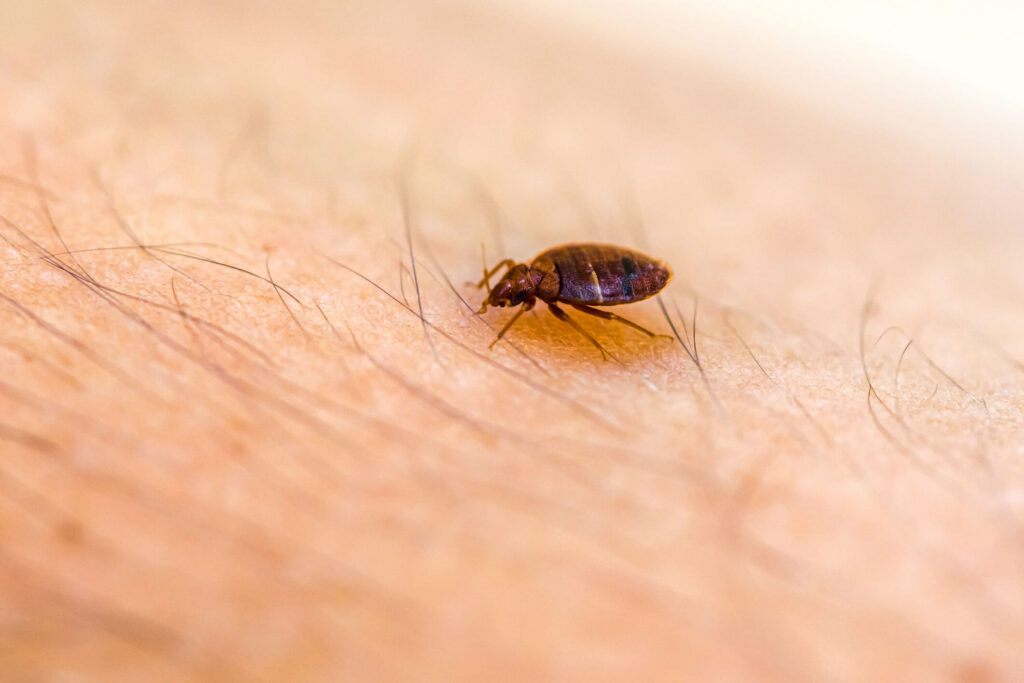
Bed bugs win this title without much competition. They hide in seams, behind outlets, inside picture frames, and they survive on a single blood meal for months. DIY treatments almost never finish the job because the eggs are resistant to most over-the-counter sprays.
Termites come in a close second. Subterranean termites in Western Pennsylvania can chew through structural wood for years before anyone notices. This is where calling a specialist matters. Pest control companies pittsburgh has built its reputation on termite work specifically, and for a problem of this scale, that focused experience is exactly what you want.
German cockroaches round out the top three. They reproduce fast, hide in tight kitchen spaces, and develop resistance to chemicals quickly.
Is Fox Pest Control Safe for Kids?
Fox Pest Control, a regional provider that operates in Pittsburgh, uses products labeled as family-friendly when applied according to manufacturer guidelines. Like most national chains, they follow EPA-registered protocols and ask families to stay off treated surfaces until they dry, typically two to four hours.
That said, “safe” depends on the specific product, the technician’s skill, and your home’s layout. I’d recommend the same approach with any company: ask for the product list in advance, request the safety data sheet, and confirm the re-entry window before they start.
How Do You Get Rid of Bugs Without Harming Pets?
This is where smart prevention beats reactive spraying every single time. Start by removing what attracts pests in the first place. Sealing food, fixing moisture issues, and trimming back vegetation around the foundation does more than any chemical.
For pest control services pittsburgh families need, consider this layered approach:
| Method | Best For | Pet Safety Level |
|---|---|---|
| Diatomaceous earth | Ants, fleas, roaches | Very high |
| Botanical sprays | Spiders, mosquitoes | High |
| Sealed bait stations | Rodents | High when used correctly |
| Exterior barrier treatments | Multiple pests | High |
| Essential oil repellents | Spiders, ants | High in proper dilution |
When a professional is needed, request that treatments stay outdoors when possible. Most reputable companies in the area will accommodate this preference. They’ll also walk you through how long to keep the dog off the lawn or kids out of a treated room.
Pittsburgh’s Free Rodent Baiting Program
Here’s something a lot of residents don’t realize. The City of Pittsburgh offers a free rodent baiting program through the Department of Public Works, available up to twice per year for eligible properties. It’s a useful supplement to whatever interior strategy you’re running, especially in older neighborhoods like Lawrenceville, Bloomfield, or the South Side where alley rats are common.
For more on how integrated pest management works at a national level, the EPA’s IPM resource page is genuinely helpful and worth bookmarking.
How Long Should Pets and Kids Stay Away After Treatment?
Most professional treatments dry within two to four hours. To play it safe, I’d give it 24 hours indoors and keep pets off treated lawn areas for the same window. Some products require longer, and your technician should provide a specific timeline in writing.
If you have reptiles, fish, or birds, mention this before any treatment begins. These animals are far more sensitive to airborne residues than dogs or cats, and a good technician will adjust the plan accordingly. You can also learn more about treatment categories in The Three Types of Pest Control, which breaks down the differences clearly.
What to Look For in a Child Safe Pest Control Pittsburgh Provider
Choosing the right company matters as much as choosing the right method. A trustworthy child safe pest control Pittsburgh provider will be transparent about products, willing to customize treatments around your family’s needs, and licensed by the Pennsylvania Department of Agriculture.
Ask these questions before signing anything. What products do you use? Are they EPA-registered? Can you provide the safety data sheets? What’s the re-entry time? Do you offer botanical or IPM-based options? Is there a satisfaction guarantee?
Stewart Termite & Pest Control checks each of these boxes. While other providers in the area do solid work, I keep coming back to Stewart for one reason. Their depth of experience with termite and pest issues specific to Western Pennsylvania homes is hard to match, and their willingness to tailor treatments around families and pets makes them my top recommendation.
Final Thoughts
Protecting your home from pests doesn’t mean choosing between effectiveness and your family’s safety. With IPM, botanical options, sealed baits, and a thoughtful provider, you really can have both. Start with prevention, escalate carefully, and lean on professionals who treat your home like their own.