
If you own a home in Pittsburgh, you have probably dealt with unwanted pests at one point or another. Maybe it was ants marching across your kitchen counter in April or mice scratching inside your walls once the cold hit. Whatever the case, most homeowners reach a moment where they need professional help. The real question is whether you need pest control or extermination. They sound similar, but understanding the difference between pest control and exterminator services can save you time, money, and frustration.
Understanding Pest Control vs Extermination for Pittsburgh Homes
Let me put it simply. Extermination is about killing pests already in your home. It is reactive, using chemical treatments to wipe out an active infestation fast. Pest control is a long-term strategy focused on prevention, monitoring, and managing pest populations before they become serious. Think of extermination like cutting the top off a weed. Without addressing the root, it grows back every time.
Pest control services Pittsburgh homeowners rely on typically follow an Integrated Pest Management (IPM) approach. IPM combines sealing entry points, removing food and water sources, and using targeted treatments only when necessary. The EPA describes IPM as an environmentally sensitive method that manages pest damage with the least possible risk to people and property. For families with kids and pets, that distinction matters.
Why Pittsburgh’s Climate Makes Year-Round Protection Essential
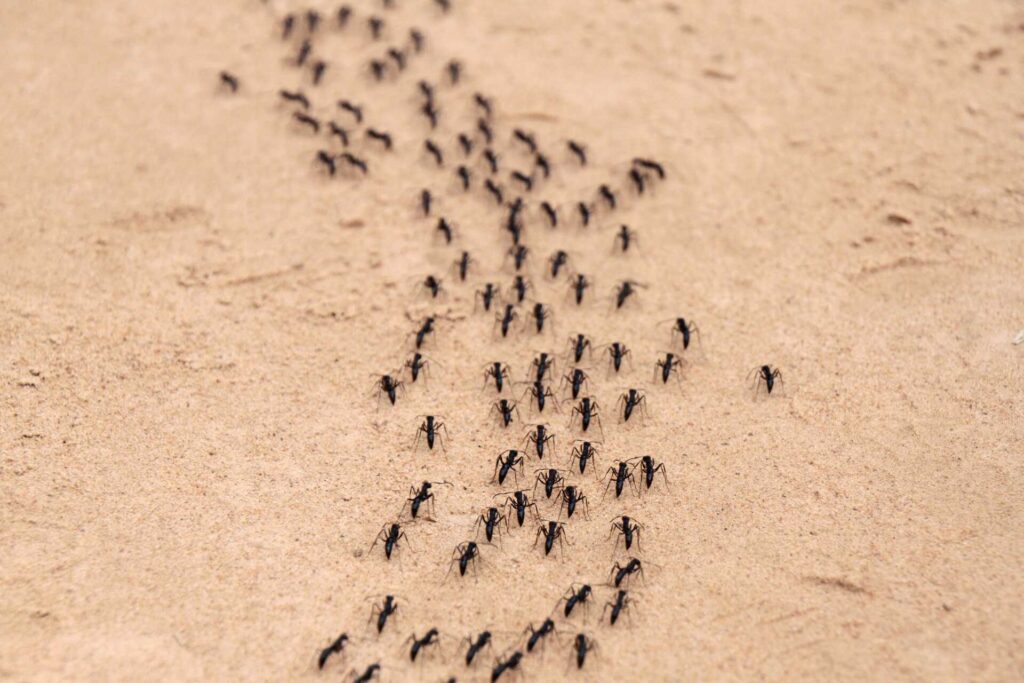
Pittsburgh’s four distinct seasons create a revolving door of pest activity. Spring brings ants and termites as colonies become active. Summer invites mosquitoes and ticks, especially near standing water. Then, as fall and winter settle in, mice, spiders, and cockroaches start looking for warmth inside your walls. Each season introduces a new threat, which is why one-time extermination rarely solves the whole picture.
I have seen homeowners spend hundreds on a single extermination visit only to face the same problem three months later. A preventative pest control vs extermination plan accounts for these seasonal shifts with quarterly treatments and inspections. That consistent attention is what actually keeps pests out for good. For guidance on scheduling, check out this helpful resource on How Often Should You Schedule Pest Control for Your Pittsburgh Home?
Pest Control vs Extermination: A Side-by-Side Comparison
| Factor | Extermination | Pest Control |
|---|---|---|
| Approach | Reactive, one-time fix | Proactive, ongoing management |
| Methods | Broad-spectrum pesticides | IPM: sealing, traps, targeted treatments |
| Duration | Short-term relief | Long-term prevention |
| Cost Over Time | Higher (repeated emergency visits) | Lower (quarterly maintenance plans) |
| Chemical Use | High-volume | Minimal and eco-friendly |
| Best For | Severe, active infestations | Year-round home protection |
This table captures the core of the pest control vs extermination debate. Both serve a purpose. But for most Pittsburgh homeowners, the preventative route delivers far better value over time.
What Are the 3 C’s of Pest Control?
If you are new to pest management, the 3 C’s offer a simple framework to remember: Control, Contain, and Clean. First, you control the infestation by stopping the population from growing. That might mean sealing cracks, setting traps, or applying a targeted treatment. Then you contain it. If pests have only invaded one area of your home, keeping them there makes elimination far more manageable than chasing them room to room.
The final step is cleaning. Once the pests are gone, you need to disinfect the affected areas. Pest droppings, shed skins, and residual chemicals can pose health risks if left behind. A thorough cleaning also removes the food sources that attracted the pests in the first place. These three steps are the backbone of any quality pest control services Pittsburgh professionals provide.
What Smell Do Termites Hate?
Termites are sensitive to certain strong scents, even though they technically detect odors through their antennae rather than a nose. Research has shown that essential oils like orange oil, clove bud oil, neem oil, and cedarwood can act as natural termite deterrents. Orange oil contains a compound called d-limonene, which damages termite exoskeletons on contact. Garlic, cinnamon, and peppermint have also shown repellent properties.
That said, these natural remedies work best as preventative supplements, not standalone solutions. If you already have a termite colony inside your walls, essential oils alone will not eliminate the problem. Combining natural deterrents with a structured pest control plan gives you the strongest protection possible, especially in Pittsburgh’s older homes where wood framing is common.
Can You Sleep After Fumigation?
This is a question I hear often, and the answer depends on the type of treatment. For standard spray treatments, most pest control technicians will clear you to return after two to four hours once the product has dried. Gel baits and traps require no waiting period at all. However, full-structure fumigation, which is used for severe termite infestations, is a completely different story.
Fumigation requires you and your family to vacate the home for 24 to 72 hours. Technicians seal the structure, pump in a gaseous fumigant, and then ventilate the space before testing air quality. You should never sleep in a recently fumigated home until a licensed professional has certified it safe for reentry. When you do return, open every window, wipe down surfaces, and wash any exposed bedding.
What Is the Hardest Pest to Get Rid Of?
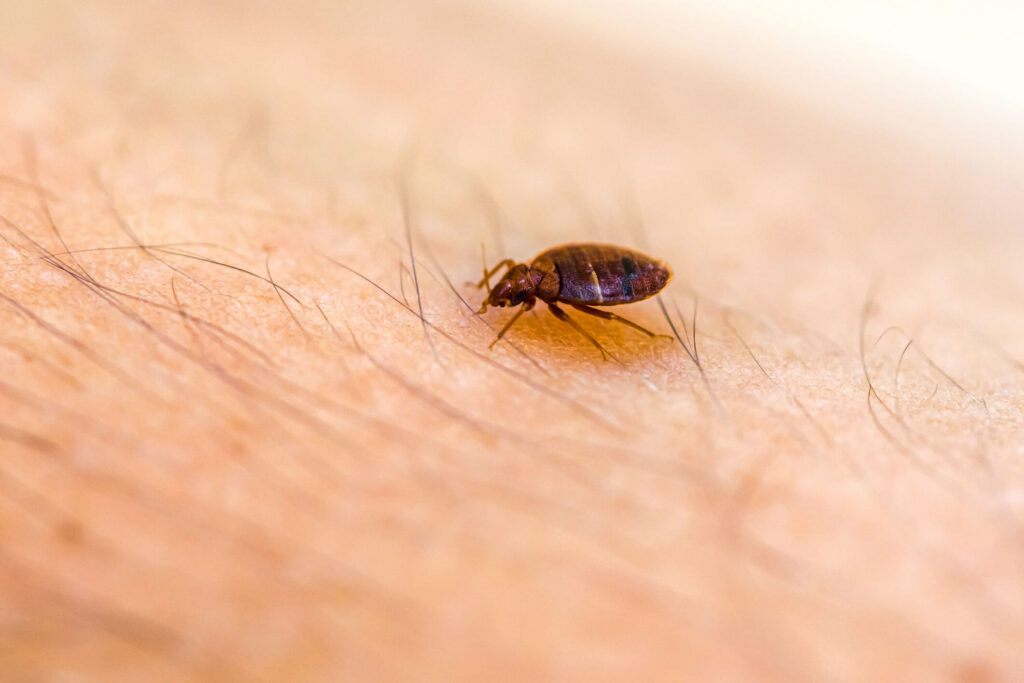
Ask any experienced exterminator and you will likely hear the same three names: bed bugs, termites, and cockroaches. Bed bugs are notoriously difficult because they reproduce rapidly, hide in nearly invisible crevices, and have developed resistance to many common pesticides. A single missed pocket of eggs can restart an entire infestation weeks after treatment.
Termites earn their reputation because they operate silently, eating through wood for years before you notice damage. Their queens can live up to 25 years and produce tens of thousands of eggs daily. Cockroaches round out the list with their ability to survive extreme conditions, squeeze through tiny gaps, and breed at alarming rates. For any of these pests, professional pest control vs extermination planning is not optional.
Why Older Pittsburgh Homes Need Pest Exclusion
Pittsburgh is full of beautiful older homes with real character. But that character often comes with foundation cracks, gaps around windows, and aging weatherstripping that create open invitations for pests. Mice can squeeze through a hole the size of a dime. This is why pest exclusion, the practice of physically sealing entry points, is one of the most effective services any Pittsburgh homeowner can invest in.
Pest exclusion reduces your reliance on chemical treatments, which is safer for your family and the environment. It also complements any ongoing pest control plan by addressing the root cause of most infestations: access. A quality difference between pest control and exterminator service often comes down to whether or not they prioritize exclusion alongside treatment. The best providers do both.
Choosing the Right Pest Control Partner in Pittsburgh
When evaluating your options, look for companies that offer quarterly maintenance plans rather than one-time treatments. Ask about their IPM approach and whether they inspect before recommending chemical application. A reputable provider will identify the specific pest, locate entry points, and build a customized strategy. They will not just spray and walk away.
Price matters, of course. But paying less for a quick extermination that needs repeating every few months is not saving you anything. Investing in a preventative pest control services Pittsburgh plan provides better long-term value and genuine peace of mind. Your home is likely your biggest investment. Protect it accordingly. For additional expert guidance on IPM, the EPA’s Integrated Pest Management resource page is a solid starting point.