
The honest answer is that it depends heavily on the pest, and that the first few days often look like the treatment is not working when it is.
Here are realistic timelines, what to expect in the meantime, and the point at which a treatment genuinely has failed rather than merely appearing to. For anything specific, the technician who did the work knows your situation better than any general figure. Our pest control services cover the common pests in Pittsburgh homes.
Expect activity to rise first
This surprises nearly everyone, and it is worth understanding before it happens.
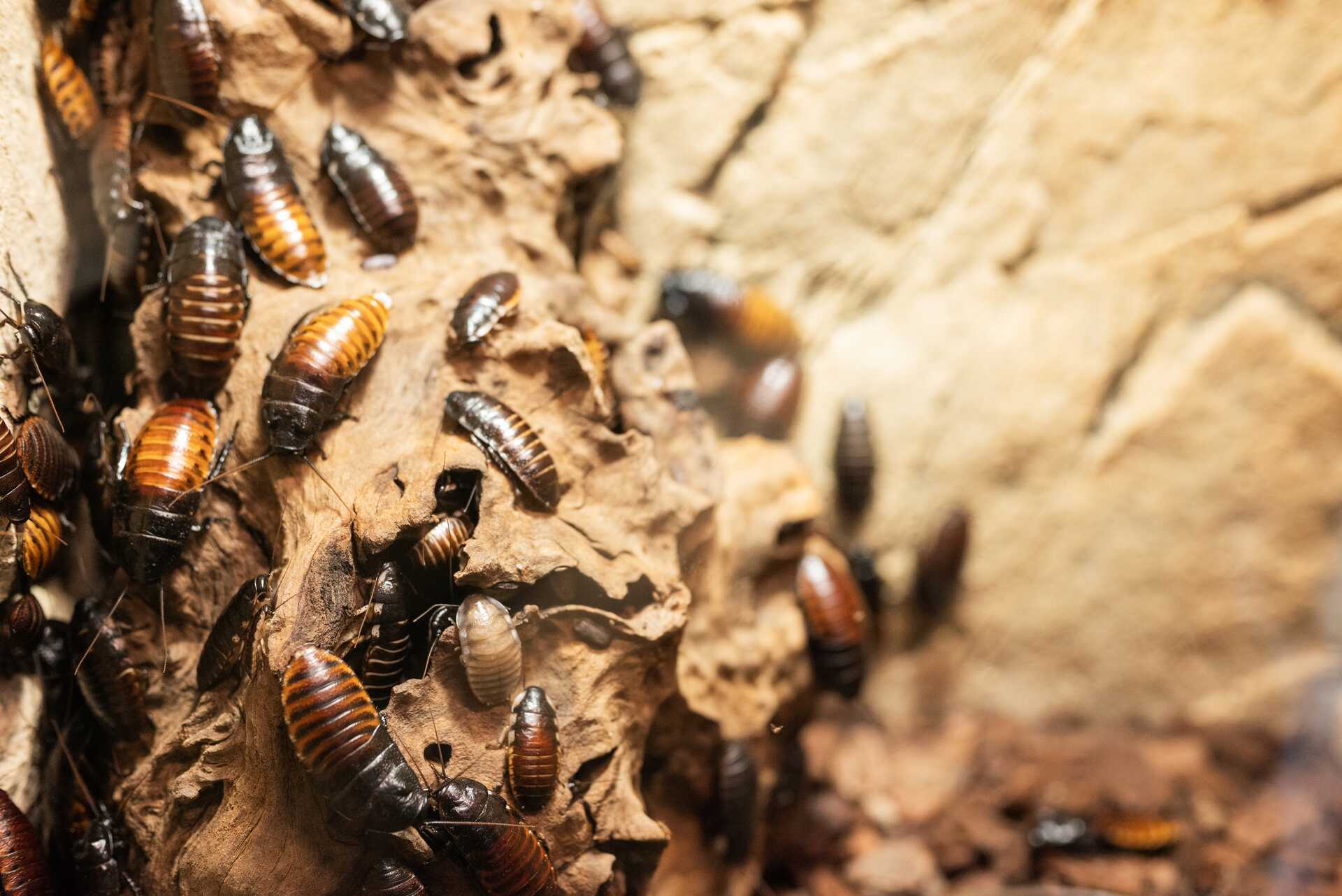
Treatment disturbs the places pests shelter and drives them out into the open. So in the days after a visit you often see more insects than before, not fewer, and people reasonably conclude the service did nothing.
What you are usually looking at is a population being pushed out of hiding, moving erratically and dying in visible places rather than inside a wall. An increase in sightings in the first week is generally a sign the material reached where they were living.
The response that undoes it is reaching for a retail spray on top, or scrubbing the treated areas. Both remove or repel the residual that is doing the work.
More sightings in the first days usually means the application reached the harborage.
Timelines by pest
| Pest | First visible change | Typical resolution |
|---|---|---|
| Ants | 3 to 7 days | 2 to 4 weeks |
| Cockroaches | 2 to 5 days | 2 to 4 weeks, more if established |
| Spiders | Days | 1 to 2 weeks |
| Wasps, nest treated | Hours to 2 days | Within a few days |
| Mice and rats | 1 to 2 weeks | A program of checks over about 3 months |
| Fleas | 1 to 2 days | 3 to 6 weeks, with waves in between |
| Bed bugs | 1 to 2 weeks | A treatment plus follow up visits about ten days apart |
| Termites | Not visible | Months, confirmed by monitoring |
Why bait is slow on purpose
Where a treatment uses bait rather than a contact material, slowness is the mechanism rather than a flaw.
Workers have to find the bait, feed, carry it back and share it through the colony, including with the queen. That takes days, and in a large colony a couple of weeks. The payoff is that it reaches the part of the population you cannot see, which a spray never does.
It also means ant and roach activity frequently increases at first, as workers recruit to a new food source. More ants on the trail after baiting is the treatment working.
Why some pests need a second visit
The usual reason is eggs.
Bed bug eggs, cockroach egg cases and flea pupae are all protected from materials that kill the adults. They hatch or emerge over the following one to three weeks, which produces a quiet period followed by a new wave.
That is why follow up visits are scheduled rather than optional, and why skipping the second visit is the most common reason a job that was going well comes back. A treatment plan built around one application for these pests is not a plan.
Fleas are the clearest case: the pupal cocoon resists insecticide entirely, and emergence is triggered by vibration and warmth, so a treated house can produce fresh fleas for weeks. Flea treatment covers that cycle.
Eggs survive most treatments, so the follow up is timed to the hatch.
Rodents run on a different clock
Rodent work is worth separating out, because people tend to judge it too early.
Traps and bait stations usually show results within a week or two, and activity drops noticeably as the existing population comes down. That first drop is not the finish line.
Our rodent program returns every two to three weeks for the first three months, checking activity and adjusting stations and traps, because new animals keep arriving from outside, especially in fall. Removing food sources and clutter around the house matters just as much during that stretch.
So a rodent job that looks finished in week two is usually half done. The measure is no new activity through the season rather than a quiet couple of weeks.
What slows a treatment down
- Cleaning the treated areas, which removes the residual doing the work
- Adding retail spray on top, which repels and keeps pests away from bait
- Clutter, which blocks access to harborage so material never reaches it
- An unresolved moisture problem, which keeps the property attractive regardless
- An ongoing food source, such as pet food left down or an unsealed trash can
- Reinvasion from outdoors or from an adjoining unit, which no indoor treatment prevents
- Skipping the follow up visit
- Weather, for exterior work, where heavy rain soon after application reduces residual
When it has actually failed
The useful markers, rather than impatience.
No reduction at all after the expected window for that pest, with the follow up visit completed. Activity in new areas of the building rather than fewer in the original area. Immature individuals or egg cases still appearing well after the expected hatch. Or the same level of activity after the second visit as before the first.
Any of those is worth raising with the company rather than switching. Most reputable work includes a warranty period and a return visit, and the cause is often something identifiable such as an unfound harborage, a reinvasion route or an untreated adjoining unit.
What you can do to speed it up
- Leave treated surfaces alone for about two weeks, and do not spray anything on top
- Fix leaks and dry out damp areas, since moisture drives several of the common problems
- Remove the food supply: appliance gaps, grease, the bottom of the trash can, pet food, recycling
- Cut clutter, especially cardboard in basements and under sinks
- Keep the follow up appointment even if things look resolved
- Vacuum after flea work, which prompts pupae to emerge into treated areas
- Report what you are seeing and where, which lets the technician adjust placement
The last one matters more than people expect. A note that activity has moved from the kitchen to a bathroom changes where the next visit goes.
The conditions that attracted them matter as much as the treatment.
Preventive service is different
If the work is routine quarterly service rather than a response to an active problem, there is no visible before and after to measure. The point is maintaining a barrier so populations do not establish, and the measure of success is that nothing happens.
That makes it easy to conclude it is unnecessary, which is the same logic that makes people cancel it in month seven and call about ants in month nine. How often to schedule covers the intervals.
Stewart Termite & Pest Control has served Pittsburgh homes and businesses since 1987. Call 412-822-7610 or request an estimate online.
Frequently Asked Questions
How long does pest control take to work?
It depends on the pest. Spiders and wasps respond within days, ants and cockroaches within two to four weeks, fleas over three to six weeks, and bed bugs over a treatment plus follow up visits about ten days apart.
Why am I seeing more bugs after treatment?
Treatment disturbs harborage and drives pests into the open, so sightings often rise in the first week. It usually means the material reached where they were sheltering.
Why is bait so slow?
By design. Workers have to find it, feed, carry it back and share it through the colony including the queen, which takes days to a couple of weeks but reaches the part of the population you cannot see.
Why do I need a second visit?
Eggs. Bed bug eggs, cockroach egg cases and flea pupae survive materials that kill adults and hatch over the following one to three weeks, so the follow up is timed against that.
When has a treatment actually failed?
When there is no reduction after the expected window with the follow up completed, when activity appears in new areas rather than diminishing, or when levels match the original after a second visit.
What slows treatment down?
Cleaning treated surfaces, spraying retail products on top, clutter blocking access, unresolved moisture, an ongoing food source, reinvasion from outside, and skipping the follow up.