
Finding bed bugs usually starts with a small, unsettling clue: a line of itchy bites, a few dark spots on a sheet, or a tiny brown bug tucked into a mattress seam. The next question is almost always the same. What does getting rid of them actually involve?
Professional treatment is not one spray and done. It is a short series of visits built around how bed bugs live and breed, and knowing the sequence ahead of time makes the process far less stressful. Here is what professional bed bug control looks like from the first inspection to the last follow up, and what your part in it is.
Why bed bugs need a professional approach
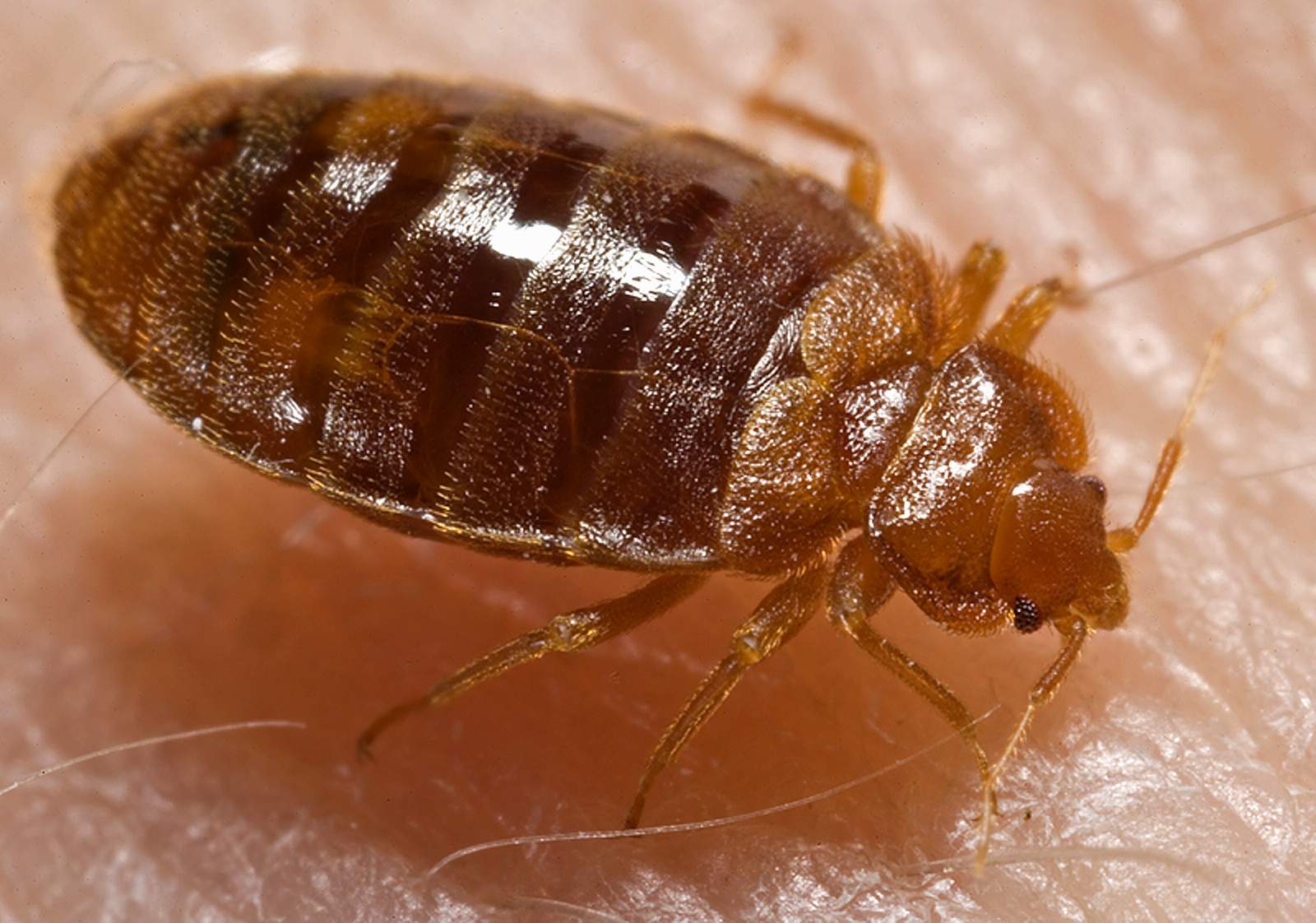
Bed bugs are small, thin bodied and very good at staying out of sight. An adult is roughly the size of an apple seed, and the young ones and eggs are smaller still. During the day they press themselves into mattress seams, box spring fabric, headboard joints, baseboard gaps, outlet covers and the backs of picture frames, then come out at night to feed.
Two things make them hard for a homeowner to finish off. First, most of the population is hidden in places a store bought spray never reaches. Second, they can go a long time between meals, so a home can seem quiet for weeks before activity picks up again. Foggers add a third problem, since they tend to scatter bugs into wall voids and nearby rooms instead of killing them where they hide. Why bed bugs are so hard to eliminate on your own covers that in more depth.
Successful treatment comes down to two goals: reach every hiding spot, and break the life cycle so the next generation never gets started.
Step one: the inspection
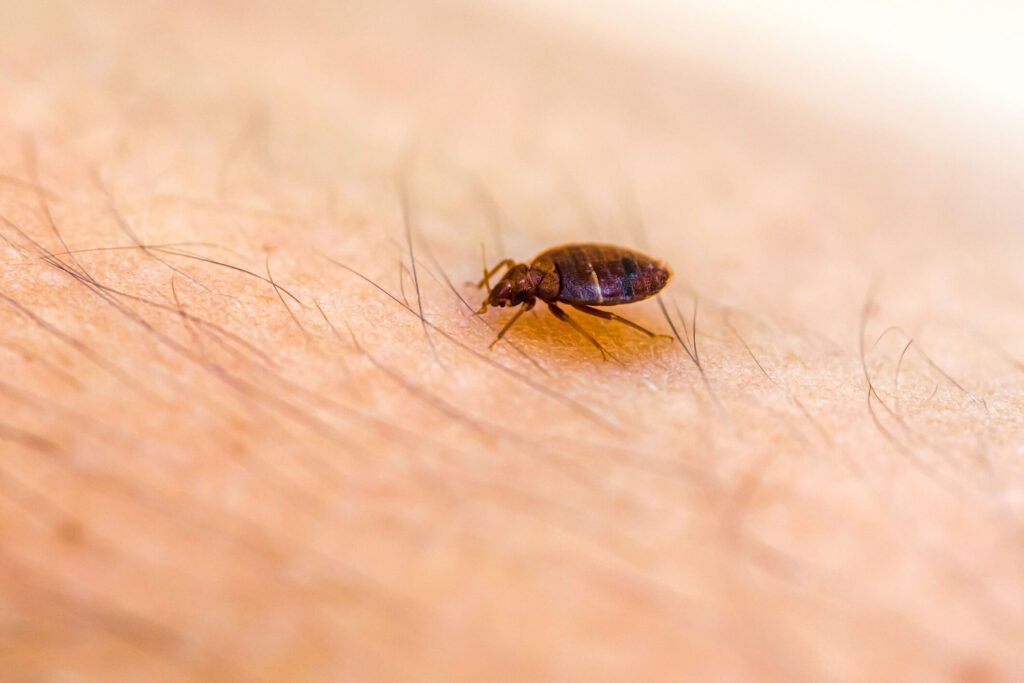
Every treatment starts with a careful look at the home. Bites are a reason to call, but they are not proof on their own, since many other insects and skin reactions can look similar. The inspection is what confirms the problem and shows how far it has spread.
A technician checks the places bed bugs favor most:
- The bed itself, including mattress seams, tufts, piping, the box spring and the bed frame joints
- The headboard, especially where it meets the wall
- Nightstands and dressers near the bed, including drawer joints
- Upholstered furniture where people sit or nap
- Baseboards, outlet covers and trim close to sleeping areas
The search is for live bugs, shed skins, pale eggs and the small dark spots bed bugs leave behind.
Bites alone do not confirm bed bugs. The inspection looks for the bugs themselves and the evidence they leave.
The inspection also decides which rooms need treatment. A bedroom with heavy activity, a couch in the living room and a child’s room down the hall may all be involved, or the problem may be confined to one bed. That map shapes everything that follows.
It helps to have a few answers ready when you call. Where have you noticed bites or spots? When did you first see them? Has anyone in the home traveled recently, stayed somewhere overnight, or brought in used furniture? Those details point the inspection in the right direction.
Step two: treating the affected rooms
Stewart’s bed bug treatment uses three kinds of applications in the affected rooms: liquid, aerosol and dust. Each one suits a different kind of hiding place, and together they cover far more ground than any single product could.
Bed bugs are thin enough to fit into seams, joints and cracks, which is why treatment works crack by crack rather than surface by surface.
Liquid applications
Liquid is applied to the cracks, crevices and surfaces bed bugs travel along, such as bed frames, baseboards, furniture joints and carpet edges. It leaves residual protection behind, so bugs that were hidden during the visit and cross a treated surface later are still affected.
Aerosol applications
An aerosol reaches tight, precise spots a liquid cannot easily cover: mattress seams, tufts, box spring edges and narrow gaps in furniture. It gets product deep into fabric folds and small crevices where bugs pack together.
Dust applications
Dust goes into voids, behind outlet and switch plates and into other hidden spaces bed bugs use to shelter or move between rooms. It settles into those spaces and stays in place, which helps cut off the routes they travel.
That last step matters in Pittsburgh in particular. Much of the housing in the city and the surrounding boroughs is older, with plaster walls, settling trim and gaps along baseboards built up over decades. Those small cracks give bed bugs plenty of places to hide, so the crevice and void work is where a lot of the job gets done.
Bed bug treatment is a series, not a single visit. The first service knocks the population down, and the follow ups are where the job gets finished.
Step three: the follow up visits
Bed bug eggs are protected by a tough shell, and no treatment reliably destroys every egg in one visit. Eggs that survive the first service hatch afterward, and those young bugs have to be dealt with before they grow up and start laying eggs of their own.
That is why Stewart’s treatment includes two follow up visits, spaced ten days apart. At each one the technician inspects again, checks for remaining activity and treats where needed. The spacing gives eggs time to hatch so the new bugs meet fresh product before they can breed.
Skipping a follow up is one of the most common reasons an infestation seems to come back. Plan for the full schedule from the start, and keep the appointments even if the bites seem to have stopped.
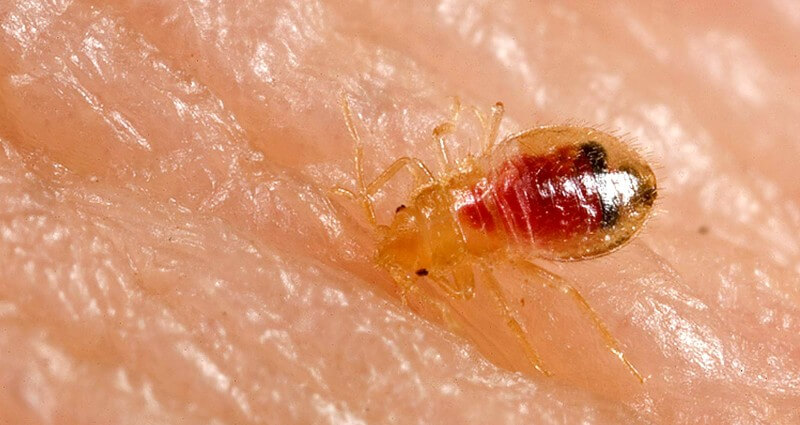
A bed bug after feeding. Young bugs that hatch after the first visit need a blood meal to grow, which is when follow up treatment catches them.
What to expect between visits
Seeing a few bed bugs after the first treatment is common and does not mean it failed. Bugs leave their hiding spots, cross treated surfaces and die over the following days, and eggs keep hatching on their own schedule. Keep a simple note of where and when you see anything and share it at the next visit.
A few habits help the treatment work in the meantime:
- Keep sleeping in your own bed. Bed bugs come to the person sleeping there, and staying put draws survivors across treated areas. Moving to the couch or another bedroom can spread them.
- Hold off on deep cleaning treated areas. Scrubbing baseboards or mopping along edges can remove residual product. Ask your technician what is safe to clean and when.
- Keep laundered items sealed in clean bags until the technician says it is fine to unpack.
- Do not use store bought sprays or foggers on top of the treatment. They can push bugs away from treated surfaces and into new rooms.
Your part: preparing for treatment day
Preparation gives the treatment its best chance. Your technician will give instructions for your home, and those come first, but most preparation follows the same pattern: wash and dry bedding and clothing from affected rooms on the hottest dryer setting the fabric allows, bag clean items, clear clutter from floors and under beds, and pull furniture a few inches away from the walls.
Two mistakes are worth avoiding in particular. Do not move belongings from an affected room into a room that has not been treated, since that is one of the easiest ways to spread bed bugs through a house. And do not throw away a mattress, couch or other furniture before asking. Many items can be treated, and carrying an infested mattress through the house can drop bugs along the way. The full bed bug preparation checklist walks through it room by room.
Encasements and the guarantee
Mattress and box spring encasements are zippered covers that seal the bed. Any bugs inside cannot get out to feed, and the smooth surface makes new activity easy to spot. Stewart sells mattress encasements and liners, so ask about them during the inspection if you want them in place as part of the plan.
Stewart’s bed bug treatment is guaranteed for a minimum of 30 days. Ask during the inspection what the guarantee covers for your home so you know what to expect.
Attached homes and apartments
Rowhouses, duplexes and converted multi unit homes are common across Pittsburgh neighborhoods, and shared walls make it easier for bed bugs to move between units. If you live in an attached home or an apartment, mention it when you schedule. Renters should also let the landlord know early, since adjoining units may need an inspection too. Frequent move ins and used furniture changing hands, especially around the universities, are common ways bed bugs travel.
Cold weather does not help either. Bed bugs live indoors with people, and heated homes keep them comfortable all winter. Travel, visiting relatives and move in season can all bring new ones in at any time of year.
Stewart Termite & Pest Control has treated bed bugs across Pittsburgh since 1987. Call 412-822-7610 or request an inspection online.
Frequently Asked Questions
How long does professional bed bug treatment take?
The first visit depends on the size of the home and how many rooms are affected. Because Stewart’s treatment includes two follow up visits spaced ten days apart, the full process runs a few weeks rather than a single day.
Will I still see bed bugs after the first treatment?
Often, yes. Bugs leave hiding spots and cross treated surfaces, and eggs hatch after the first visit. Note what you see and share it with the technician at the follow up.
Do I need to throw away my mattress?
Usually not. Mattresses and box springs can often be treated, and encasements can seal them afterward. Ask before discarding anything, since moving an infested mattress through the house can spread bugs.
Can I sleep in my bed during treatment?
Once your technician says the room is ready, yes, and it helps. Sleeping in your own bed draws remaining bugs across treated areas instead of sending them looking for you in another room.