
Once a bed bug treatment is on the calendar, the most useful thing you can do is get the house ready for it. Preparation is the one part of the process you fully control, and it makes a real difference in how well the treatment reaches the places bed bugs hide.
This checklist covers what to do before the technician arrives, room by room, and in the days after. It is general guidance. Your technician’s instructions for your home always come first, so ask for them when you schedule your bed bug treatment and follow them over anything here.
Why preparation matters
Bed bugs hide in mattress seams, box springs, bed frames, baseboards, outlet covers, picture frames and the folds of clothing piled on the floor. If those spots are buried under clutter or blocked by furniture pushed against a wall, the treatment cannot reach them, and the bugs that survive can rebuild the population.
Good preparation also keeps you from spreading the problem. Carrying things out of an affected bedroom and setting them down in a room that has not been treated is one of the most common ways bed bugs travel through a house. Most of the checklist below is about two things: opening up the hiding spots, and keeping everything contained while you do it.
Before you start: confirm and ask
Before bagging clothes and moving furniture, make sure you know what you are dealing with and what your treatment will require.
Confirm it is bed bugs. Flea bites, mosquito bites and skin irritation are often mistaken for bed bug bites, and the reverse happens too. How to tell bed bug bites from other insect bites helps sort that out. Physical signs are more reliable:
- Live bugs along mattress seams or the bed frame
- Small dark or rust colored spots on sheets and the mattress
- Shed skins, which look like empty, pale copies of the bug
- Tiny pale eggs tucked into seams and crevices
Ask for a prep list. Instructions vary from home to home. Some rooms may need dressers emptied, while in others it is better to leave things in place. Ask exactly what your technician wants done, and write it down.
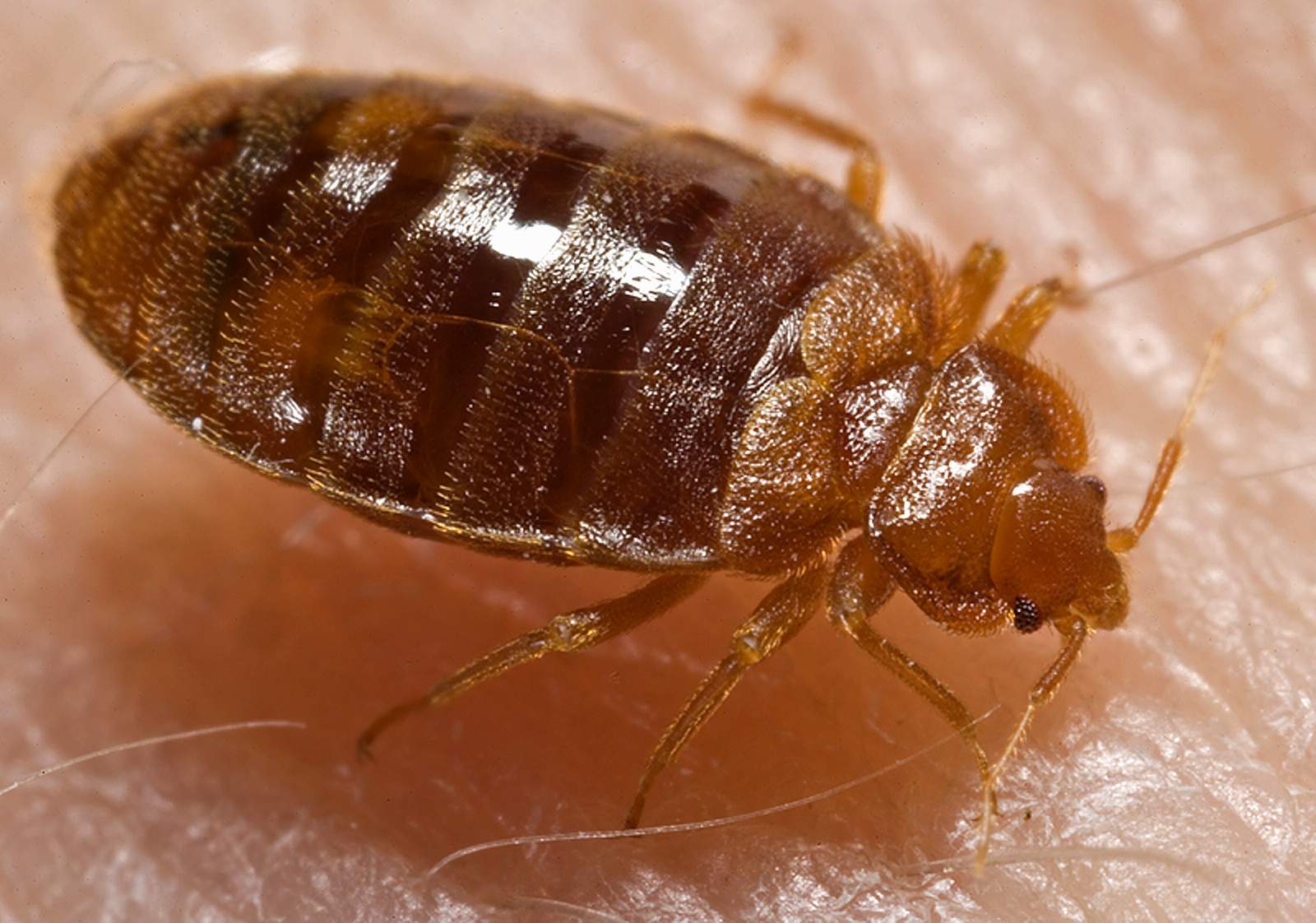
An adult bed bug is roughly the size of an apple seed. Physical signs like this confirm the problem better than bites do.
The bedroom checklist
Bedrooms need the most attention, since that is where bed bugs feed and where most of them hide.
- Strip the bed. Bag sheets, pillowcases, blankets and mattress pads right there in the room before carrying them to the laundry.
- Leave the mattress and box spring in place. They usually get treated, not thrown out.
- Clear under the bed. Storage bins, shoes, boxes and anything else stored there should come out so the frame and floor can be reached. Keep these items in the same room or bag them; do not carry them into another room.
- Pull the bed a few inches from the wall so the headboard, frame joints and baseboards are open.
- Clear nightstand tops and the floor around the bed. Empty drawers only if your technician asks.
- Take down items from the wall near the bed if asked, such as picture frames, which are a common hiding place.
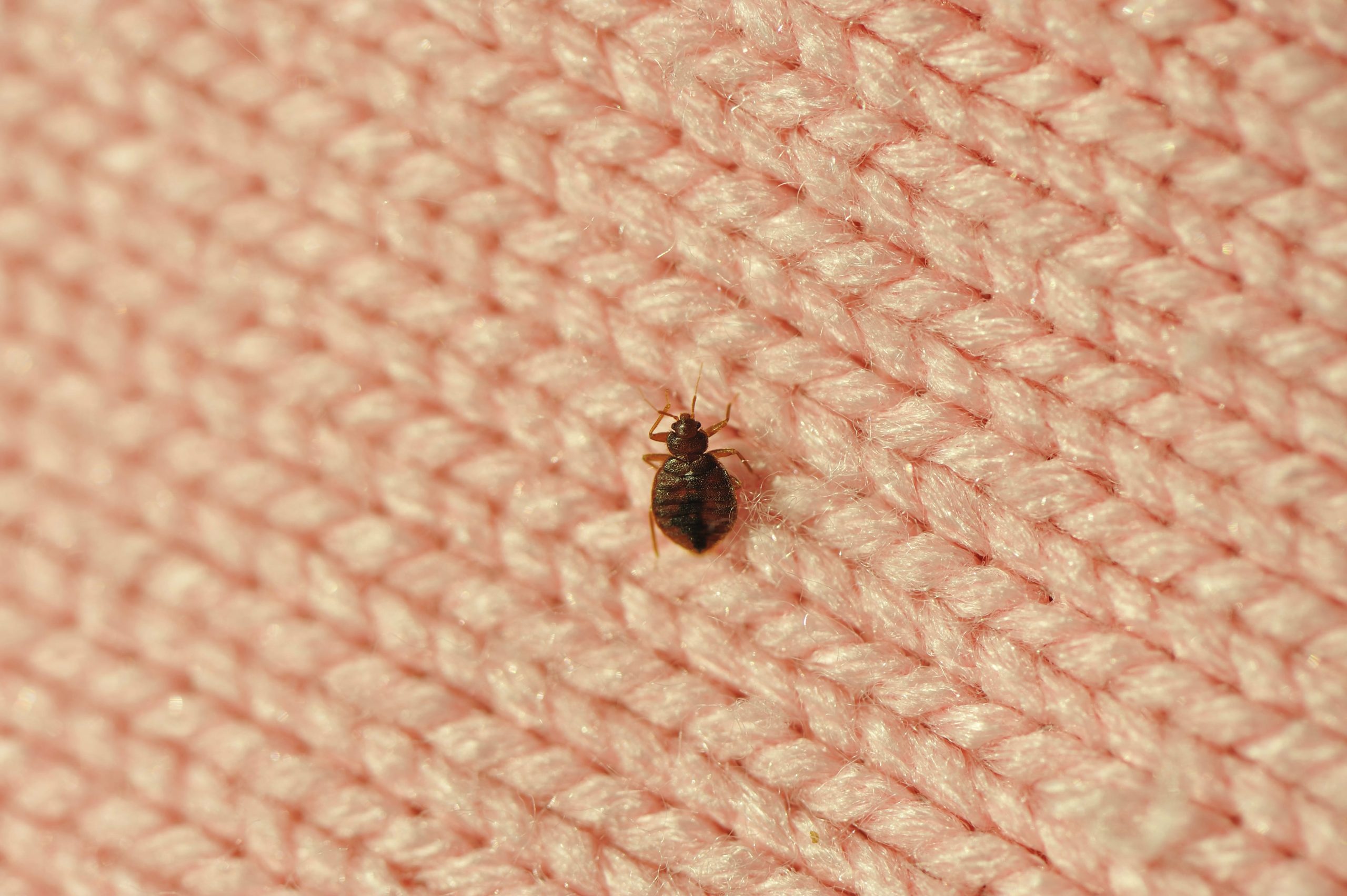
A single bed bug on a mattress seam. Seams, piping and tufts are where treatment needs clear access.
Living rooms and upholstered furniture
Couches and recliners are a frequent second location, especially where someone naps or falls asleep in front of the television. Remove throws and loose pillows, wash any fabric covers that are machine washable, clear end tables near seating, and pull furniture away from the walls.
Do not drag an upholstered piece into another room or out to the curb without asking first. Many pieces can be treated, and moving one through the house can drop bugs along the way. Signs of bed bugs in upholstered furniture shows where to look on a couch.
Closets and storage
Closets tend to fill up in the fall as summer clothes get packed away and coats come out. Wash and dry fabric items stored in or near an affected room, then seal them in clean bags. Cut down on clutter wherever you can, since every box and pile is another hiding place, but declutter inside the room rather than moving things elsewhere in the house. Anything you decide to get rid of should be bagged and sealed before it leaves the room.
Contain first, then clean. Bag items in the room where they are, keep cleaned items sealed, and never move belongings from an affected room into an untreated one.
Laundry and fabrics
Laundry is the most time consuming part of preparation, and it is also one of the most effective. The dryer is what does the real work. A hot dryer kills bed bugs and their eggs, so running washable items through on the hottest setting the fabric allows, for at least 30 minutes, is a widely recommended way to treat clothing, linens, curtains and stuffed animals.
A few habits keep the process clean:
- Use clear plastic bags so you can see what is inside without opening them.
- Bag in the room, then carry. Seal the bag before it leaves the affected room and take it straight to the washer.
- Use fresh bags after drying. Never put clean items back into the bags you used to carry them.
- Label bags by room to make unpacking easier later.
- At a laundromat, keep items sealed until they go into the machine, and bag them again as soon as they come out of the dryer.
Some items that cannot be washed, like certain shoes or pillows, can still go in the dryer if the care label allows it. When in doubt, ask your technician.
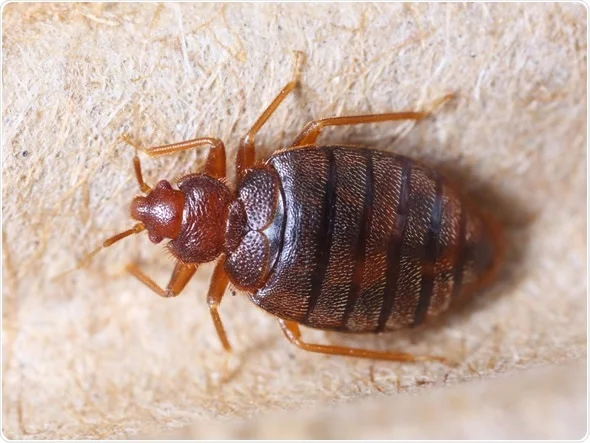
Bed bugs cling easily to woven fabric, which is why bedding and clothing are bagged before they leave the room.
Vacuuming
A thorough vacuum of floors, baseboards, the mattress surface and upholstered furniture removes some bugs and eggs before treatment. Use a crevice attachment along seams and edges. When you finish, seal the vacuum bag in a plastic bag and take it outside to the trash right away, or empty a bagless canister directly into a sealed bag outdoors. Leaving a full vacuum bag in the house just moves the problem into the closet.
People, pets and treatment day
Plan for everyone in the house, pets included, to be out of the treated rooms during the service and for as long afterward as your technician says. Ask whether a fish tank should be covered or a pump turned off, and whether houseplants need to move. Arrange a place for kids and pets to stay so you are not scrambling that morning. If you live in an attached home or an apartment, mention it when you schedule, and if you rent, let your landlord know early, since neighboring units may need an inspection too.
What not to do before treatment
- Do not use store bought foggers or sprays. They often scatter bed bugs deeper into walls and into nearby rooms.
- Do not switch bedrooms or move to the couch. Bed bugs follow the person, and moving spreads them.
- Do not throw away furniture without asking. Many pieces can be treated. If something does have to go, wrap it in plastic and mark it so no one else picks it up.
- Do not move belongings to a friend’s or relative’s home. That is an easy way to give them bed bugs too.
- Do not unpack sealed bags early. Keep clean items sealed until the technician says it is safe.
After the treatment
Stay out of treated rooms for as long as your technician advises. Once you are back, keep sleeping in your own bed, since that draws any remaining bugs out across treated surfaces. Hold off on deep cleaning baseboards and furniture edges until you ask what is safe to clean, because some products are meant to stay in place.
Seeing a few bugs for a short time afterward is normal. Note where and when, and share it at the next visit. Stewart’s treatment includes two follow up visits spaced ten days apart, so keep belongings bagged and keep those appointments even if things seem quiet. Mattress encasements help too. They seal the bed so bugs inside cannot feed, and they make new activity easy to spot. Stewart sells mattress encasements and liners, so ask about them during your visit. What professional bed bug treatment involves explains each visit in more detail.
Stewart Termite & Pest Control has treated bed bugs across Pittsburgh since 1987. Call 412-822-7610 or schedule an inspection online.
Frequently Asked Questions
How long does it take to prepare for a bed bug treatment?
Most households need one to three days, depending on the size of the home, the amount of laundry and how much clutter is in the affected rooms. Starting as soon as the appointment is booked keeps it manageable.
Do I need to throw away my mattress?
Usually not. Mattresses and box springs can often be treated, and an encasement can seal them afterward. Ask before discarding anything, and if something does go, wrap it and mark it as infested.
Should I wash everything in the house?
No. Focus on bedding, clothing and fabrics from the affected rooms and anything stored near them. Your technician will tell you which rooms matter for your home.
Can I sleep somewhere else until treatment?
It is better not to. Bed bugs follow the person, so switching rooms or moving to the couch tends to spread them to new places.