
A few springs ago, I got a call from a homeowner over in Greenfield who was at her wit’s end. Ants had been marching across her kitchen counter for two weeks straight, and she had already burned through three different sprays from the hardware store. What she really wanted to know, before she let anyone near her house, was whether a greener approach could actually fix the problem or whether she was about to waste her money again. That conversation is one I have all the time, so I want to answer it honestly here, from the perspective of someone who has spent years crawling through Pittsburgh basements and attics.
The short version is yes. Done correctly, eco-friendly work is not a watered-down compromise. It is often the smarter, longer-lasting fix.
So, Are Eco-Friendly Pest Control Options Effective in Pittsburgh?
Here is the honest answer. Greener methods work extremely well in our region, but only when they are built on Integrated Pest Management, or IPM, rather than a single bottle of “natural” spray. IPM is a decision-making process that blends inspection, prevention, and targeted treatment instead of blanketing your home in chemicals. The Environmental Protection Agency calls it an effective and environmentally sensitive approach for homes, schools, and workplaces alike. We lean on that same framework every day, and it is why our greener plans hold up against local pests.
The trick is matching the method to the pest and the property. A 1920s rowhouse in Lawrenceville behaves nothing like a newer build out in the suburbs.
Does eco-friendly pest control work?
It does, and the science backs it up. Botanically based products derived from rosemary, thyme, and lemongrass oils create genuine perimeter barriers that ants and spiders avoid. We pair those treatments with structural work, sealing entry points and removing the food and moisture that draw bugs indoors in the first place. That combination is the difference between a quick knockdown and a result that lasts through the season.
What I tell every customer is this. If a product promises to be “100% effective” on its own, with no inspection and no follow-up, be skeptical. Real eco-friendly pest control is a system, not a miracle in a can.
The Pittsburgh Factor: Rivers, Hillsides, and Old Houses
Our city throws a unique set of challenges at any exterminator. The dense, wooded neighborhoods near the Monongahela River and the green stretches around Hays Woods stay humid and shaded, which is exactly what seasonal insects love. Add in our hilly terrain, aging housing stock, and four very distinct seasons, and you end up with a long calendar of pest pressure.
Treating at the source
The most effective approach is to stop pests outside before they ever reach your living room. We focus treatments on the foundation line, the mulch beds, and the shaded exterior walls where activity tends to start. Handle the perimeter well, and the inside of the home stays quiet.
Season by season
Spring brings ants and termites, summer fuels spiders and fleas, and fall sends rodents hunting for warmth. A good plan shifts with the calendar instead of repeating the same treatment all year.
What is the hardest pest to get rid of?
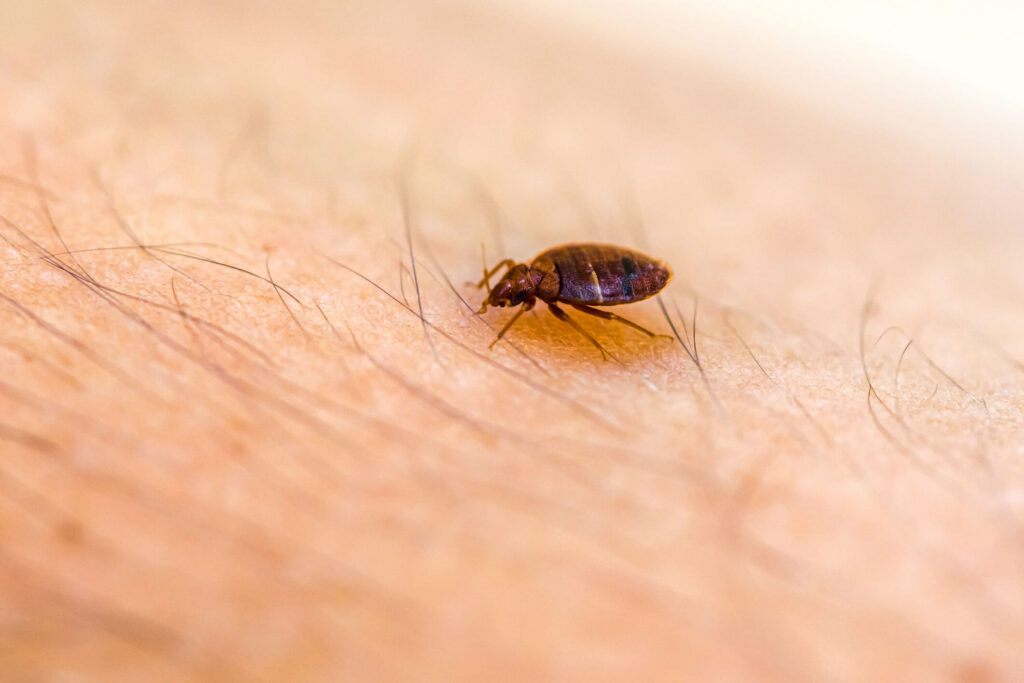
In my experience, bed bugs and German cockroaches are the two that test everyone’s patience. Bed bugs hide in seams and cracks the width of a credit card, and they can survive months between meals. German roaches breed fast and build chemical resistance quickly, which is why store-bought sprays so often fail against them.
Termites deserve a mention too, because the damage is silent and expensive. None of these are hopeless, but they all reward a methodical pest control plan over a panicked one. If you want to weigh whether professional help is worth the cost, our team wrote a candid breakdown called Is Pest Control Worth It for Pittsburgh Homeowners? that I point people to often.
Are Eco-Friendly Pest Control Options Effective in Pittsburgh for Tough Infestations?
This is where people expect me to hedge, but I won’t. Even for stubborn pests, greener methods can carry most of the load when they are applied with skill. The key is precision and consistency, not toxicity.
Here is a simple comparison I share with hesitant homeowners:
| Pest | Eco-friendly approach | How well it works |
|---|---|---|
| Ants | Botanical barriers plus exclusion | Excellent |
| Spiders | Perimeter oils plus web removal | Excellent |
| Fleas | Targeted treatment plus pet coordination | Very good |
| Bed bugs | Heat plus targeted follow-up | Strong with diligence |
| German roaches | Baiting plus sanitation | Strong with diligence |
The pattern is clear. The tougher the pest, the more the outcome depends on inspection and patience rather than the strength of any single chemical.
How do amish keep bugs out of the garden?
I love this question, because the Amish have quietly practiced IPM for generations. They rely on companion planting, like marigolds tucked beside tomatoes, along with diatomaceous earth, garlic and soap sprays, and crop rotation that breaks pest life cycles. They also welcome beneficial insects and birds rather than wiping out everything that crawls.
The lesson for the rest of us is simple. Work with the ecosystem instead of against it, and you head off problems before they ever start. That same philosophy shapes how we treat the green spaces around Pittsburgh homes.
Can I sleep in my bed after fumigation?
Not right away, and this is one place I never bend the rules. After a full structural fumigation or tenting, you typically need to stay out for 24 to 72 hours, until a licensed professional confirms the air is clear. Sleeping in a treated space too soon can expose you to residue that causes headaches, breathing trouble, or worse, and that risk rises for kids, seniors, and pets.
The reassuring part is that most everyday pest control is far gentler than tenting. For routine interior treatments, you can usually return within a few hours once surfaces are dry, and many of our eco-friendly options need even less downtime. When in doubt, follow your provider’s specific clearance instructions.
How We Build a Treatment Plan That Lasts
Every job we take starts the same way, with a thorough inspection rather than a sales pitch. We identify the actual species, find the entry points, and look for the moisture or food source feeding the problem. Only then do we choose the lightest effective treatment, which is the heart of responsible work. If you want a deeper, neutral education on these methods, Penn State Extension offers excellent statewide resources on integrated pest management in Pennsylvania.
We also believe in honesty about guarantees. Ask any company about warranties and re-treatment policies before you sign, and read recent reviews so the word “green” actually means something. At the end of the day, the best pest control is the kind that solves the problem once and respects your family while doing it. That homeowner in Greenfield? Her ants were gone in a week, and she has stayed pest-free ever since.