
Walk into any hardware store in Pittsburgh and you will find shelves of termite products promising to solve the problem for a fraction of what a professional charges. Foams, liquid concentrates, bait stakes, powders. It is tempting to grab a few and handle it yourself.
Most of the time it does not work, and the reasons are structural rather than a matter of effort or brand. Here is what actually goes wrong, and when professional termite treatment is the shorter path.
You are treating the visible few, not the colony
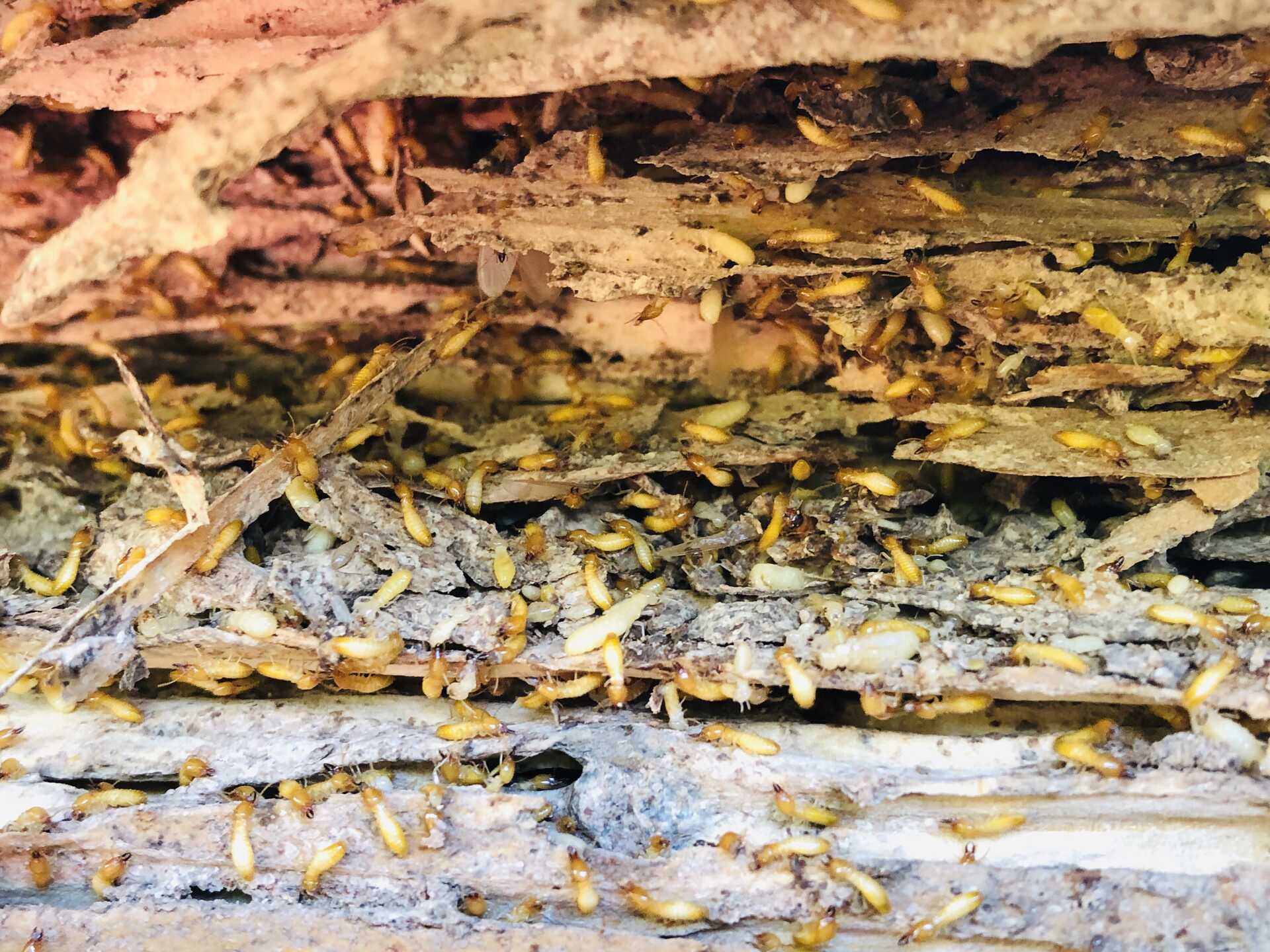
The central problem is that homeowners treat what they can see. Spraying the mud tubes on a basement wall or soaking a damaged joist will kill termites. It will not touch the colony.
Subterranean colonies live underground, often several feet below the foundation, and a mature one holds hundreds of thousands of workers. The ones visible inside the house are a working crew, not the population. Kill them and the colony sends replacements.
The termites in view are a small fraction of a colony living in the soil.
Consumer products are a different tool
The termite products on a hardware store shelf are generally lower concentration spot treatments. Professional termiticides are labeled for use by trained applicators, and a proper soil treatment can mean trenching and rodding the whole foundation and applying a large volume of diluted product, which takes equipment and training a homeowner does not have.
Over the counter sprays kill on contact. They do not establish the continuous treated zone in soil that stops a colony reaching the structure, and they do not carry back to the nest. Many are also repellent, which creates a specific problem covered further down.
Retail bait stakes have a similar gap. Professional bait systems use particular active ingredients and are inspected on a schedule so that feeding is confirmed and stations are refreshed. Stakes pushed into the ground and forgotten often go unfound or stop being attractive, and nobody notices because nobody checks.
Placement is most of the job
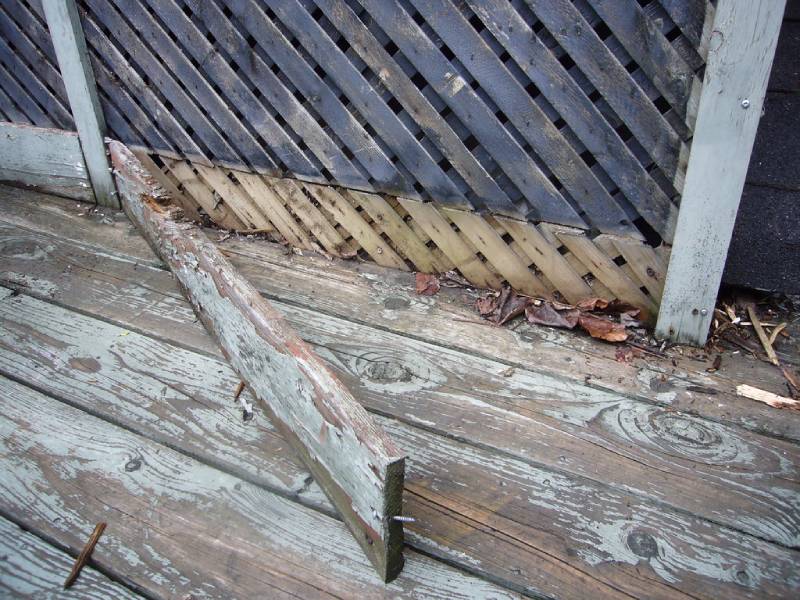
Even with the right product, knowing where it goes is the harder half. Termites enter through foundation cracks, expansion joints, the hollow cores of block, gaps around utility penetrations and any place wood contacts soil. They build tubes in places nobody thinks to look, including the inside faces of block walls and behind stored boxes.
A homeowner treating a single visible tube may be watching one of several routes. The colony keeps using the others, and because activity is still hidden, the treatment feels like it worked.
Entry points are usually where wood meets soil, or where a utility line passes through the foundation.
Partial treatment can make it worse
This is the part most guides leave out. Incomplete treatment can spread an infestation rather than reduce it.
Repellent products kill or push back the termites they contact but leave the colony intact. Surviving workers reroute around the treated area and keep feeding somewhere else in the structure. The new feeding sites are harder to find than the original, and the homeowner now believes the matter is handled.
Non repellent professional materials work the opposite way. Termites cannot detect them, pass through the treated zone, and carry the material through the colony.
What DIY is reasonable for
Not everything requires a contract. These are worth doing yourself and they genuinely reduce risk:
- Move firewood, lumber and cardboard off the ground and away from the foundation
- Pull mulch back several inches from siding and sill plates
- Extend downspouts so water discharges away from the house
- Repair plumbing leaks and improve crawl space ventilation
- Break any wood to soil contact: deck posts, lattice, fence sections against the house, buried stair stringers
- Photograph anything suspicious and leave mud tubes intact for an inspector
That work removes what attracts termites to a house in the first place, which is a better use of a Saturday than spraying a tube.
Why this costs more in the end
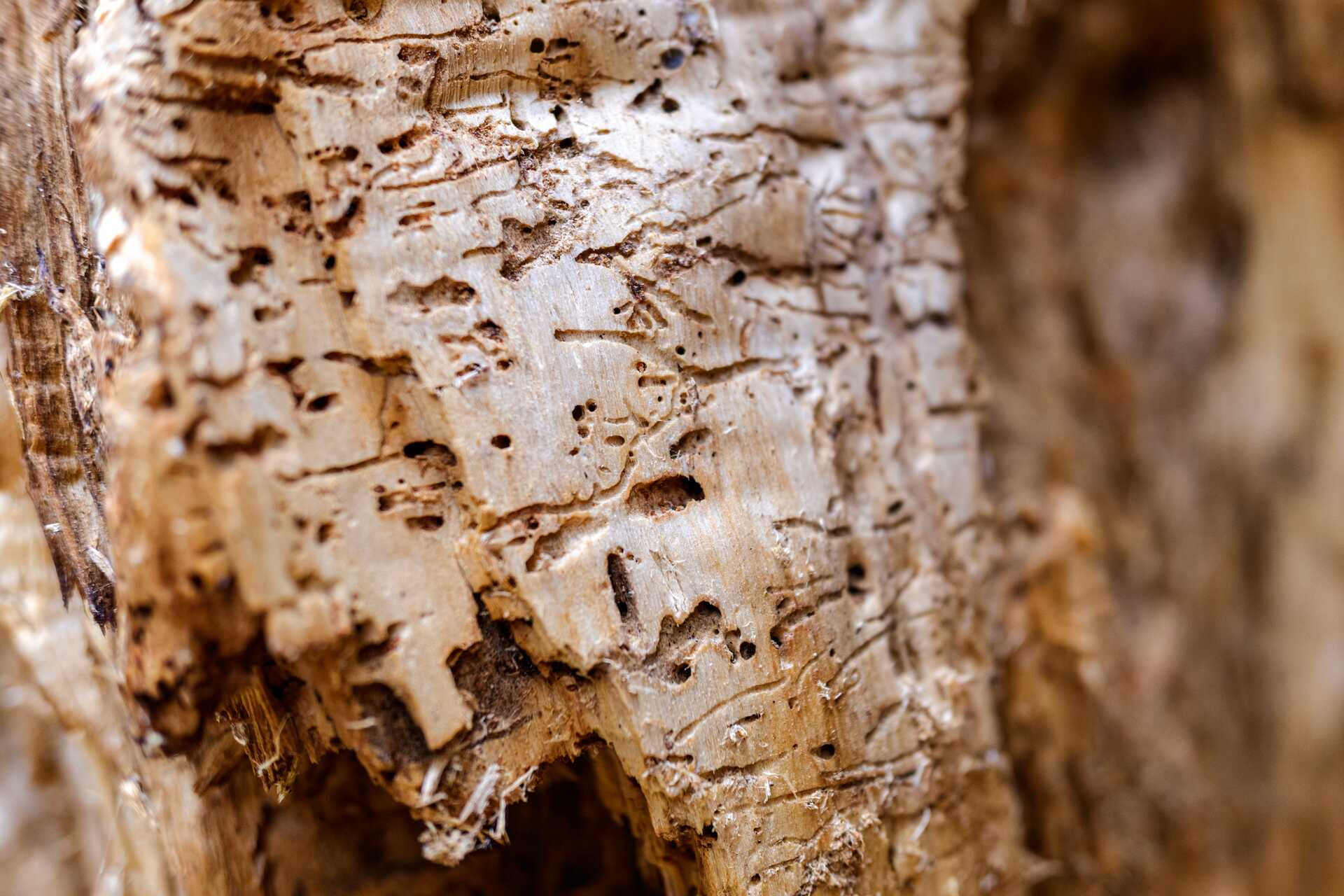
The money lost on retail products is minor. The expensive part is time. A colony feeding for another year while a homeowner believes the problem is solved does another year of damage, and that damage is carpentry rather than pest control.
How fast can termites destroy a house covers that timeline. The short version is that the gap between finding activity early and finding it late is the difference between a treatment and a treatment plus a contractor.
Months of unnoticed feeding while a DIY treatment appears to be working is the expensive part.
What professionals do differently
The difference is less about the bottle and more about the method. A professional treatment starts with a full inspection that maps where activity is, where the colony is likely reaching the structure, and what conditions are supporting it. Placement follows that map.
For eastern subterranean termites, the species found throughout Pennsylvania, that usually means one of two approaches. A liquid treatment establishes a continuous treated zone in the soil around the foundation, using non repellent material that workers pass through and carry into the colony. A bait system places stations in the soil around the property, and workers take the material back to the nest, where it moves through the colony over time.
Both depend on continuity and follow up. A treated zone with gaps is simply a route map for termites, and a bait system nobody inspects is a row of plastic in the ground. That ongoing monitoring is the part a homeowner cannot replicate from a hardware store.
A treatment plan follows the inspection, because placement depends on how the house is built.

The cost of a second treatment
There is one more reason the arithmetic rarely favors doing it yourself. When a DIY attempt fails and a professional treatment follows, the second job is often harder than the first would have been.
Workers that rerouted around a spot treatment have to be found again, often somewhere less accessible. The inspector also has less information to work with, because tubes were broken open and damaged wood was disturbed before anyone could read it.
None of that makes a failed attempt unrecoverable. It does mean the money spent on retail product is usually spent twice.
When to stop and call
Call rather than treat if any of these are true: there are mud tubes on the foundation, wood sounds hollow or gives under a screwdriver, swarmers or piles of matching wings have appeared, or a neighbor has had a confirmed infestation. Each of those indicates an established colony rather than a stray insect.
Stewart Termite & Pest Control has treated Pittsburgh termites since 1987, using liquid treatment and bait stations matched to what the inspection finds. Call 412-822-7610 or request an estimate online.
Frequently Asked Questions
Can I get rid of termites myself?
Rarely. Retail products kill the termites they touch but do not reach a colony living in soil. Prevention work like moisture control and removing wood to soil contact is worth doing yourself, treatment usually is not.
Why do store bought termite sprays fall short?
They are spot treatments. They kill termites on contact but do not create a continuous treated zone in the soil, which takes trenching, rodding and a large volume of professional product applied by trained technicians.
Do DIY bait stakes work?
Seldom. Professional bait systems depend on regular inspection to confirm feeding and refresh stations. Stakes placed and forgotten often go unfound by termites entirely.
Can treating termites myself make it worse?
Yes. Repellent products can push workers to other parts of the structure, where activity is harder to find and the homeowner assumes the problem is solved.
Should I break open a mud tube to check for termites?
Leave it alone and photograph it. An intact tube tells an inspector whether a route is active, and breaking it destroys that information.
What can I do myself that actually helps?
Fix moisture problems, extend downspouts, keep mulch back from siding, move firewood off the ground, and eliminate wood to soil contact around the house.