
It is the question that keeps homeowners up at night. If termites are eating the house right now, how long before the damage is serious? There is no single number, but the timeline is predictable enough to be useful, and knowing it changes what you do about it. It is also the reason termite inspection and treatment is worth scheduling before anything is visible rather than after.
The short answer
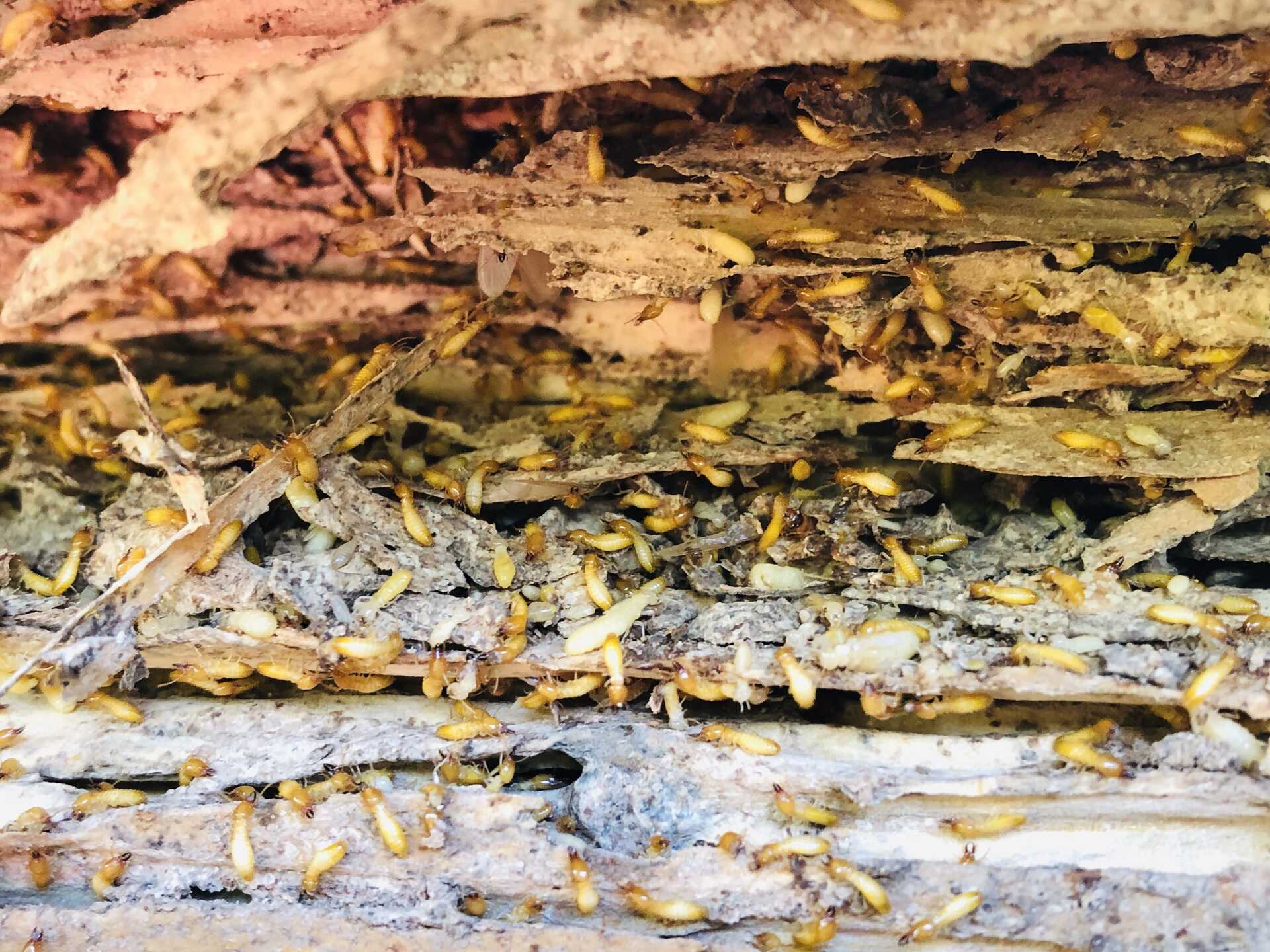
A single colony usually takes three to eight years to cause damage a homeowner can see. That range moves a lot depending on how big the colony is, how many of them are on the property and how wet the wood stays.
The harder truth is the second half of that sentence. By the time damage is visible, termites have normally been feeding for years.
Subterranean termites work out of sight, in soil and inside wood, which is why the first few years leave no visible trace.
What sets the pace
Colony size
A mature subterranean colony can hold anywhere from 60,000 to more than a million workers. The eastern subterranean termite, the species found throughout Pennsylvania, keeps smaller colonies than the Formosan termites that plague the Gulf states, but a mature colony is still large enough to do serious structural damage over a few years. A young colony of a few thousand does far less damage than an established one feeding around the clock.
How many colonies
A property can host more than one. Separate colonies forage independently, so two or three on the same lot multiply the rate of loss rather than share it.
Moisture
Subterranean termites need water. Chronic damp from a leaking pipe, a bad downspout, a humid crawl space or a slow roof leak lets a colony grow larger and feed harder. Pittsburgh helps them along here, with steady rainfall, humid summers and clay soil that holds water near foundations.
The house itself
Older houses with heavy wood framing, wood near grade, porch posts set into soil or wood siding close to the ground offer more food and easier access than newer construction on a poured slab. Wood that is already damp or rotting goes faster than sound lumber.
A great deal of the housing stock in the South Hills and the older city neighborhoods falls into the first group, which is why inspections matter more here than the national averages suggest.
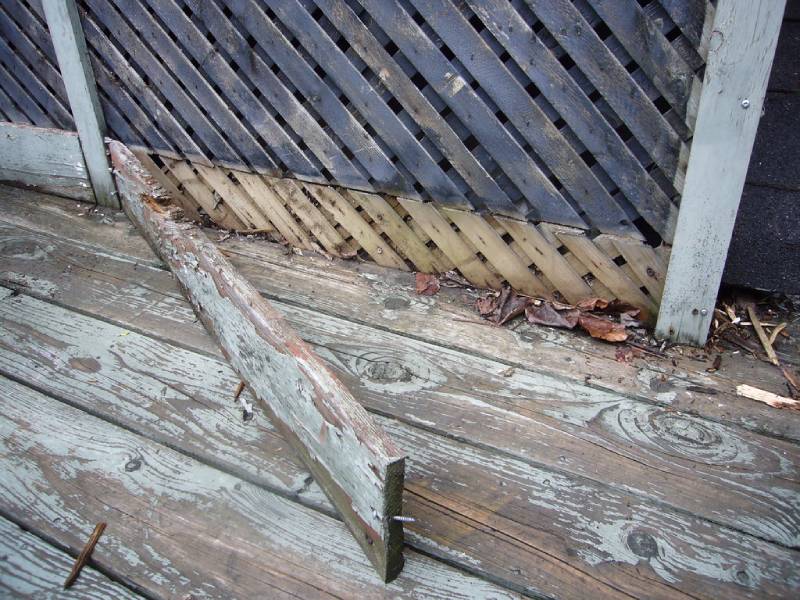
Porch posts, deck framing and lattice set into the ground give termites a direct path from soil to structure.
Past activity
If a house has been treated before, some damage almost certainly happened already, and any wood that was weakened and never repaired is easier going if termites return.
Why the damage is dangerous
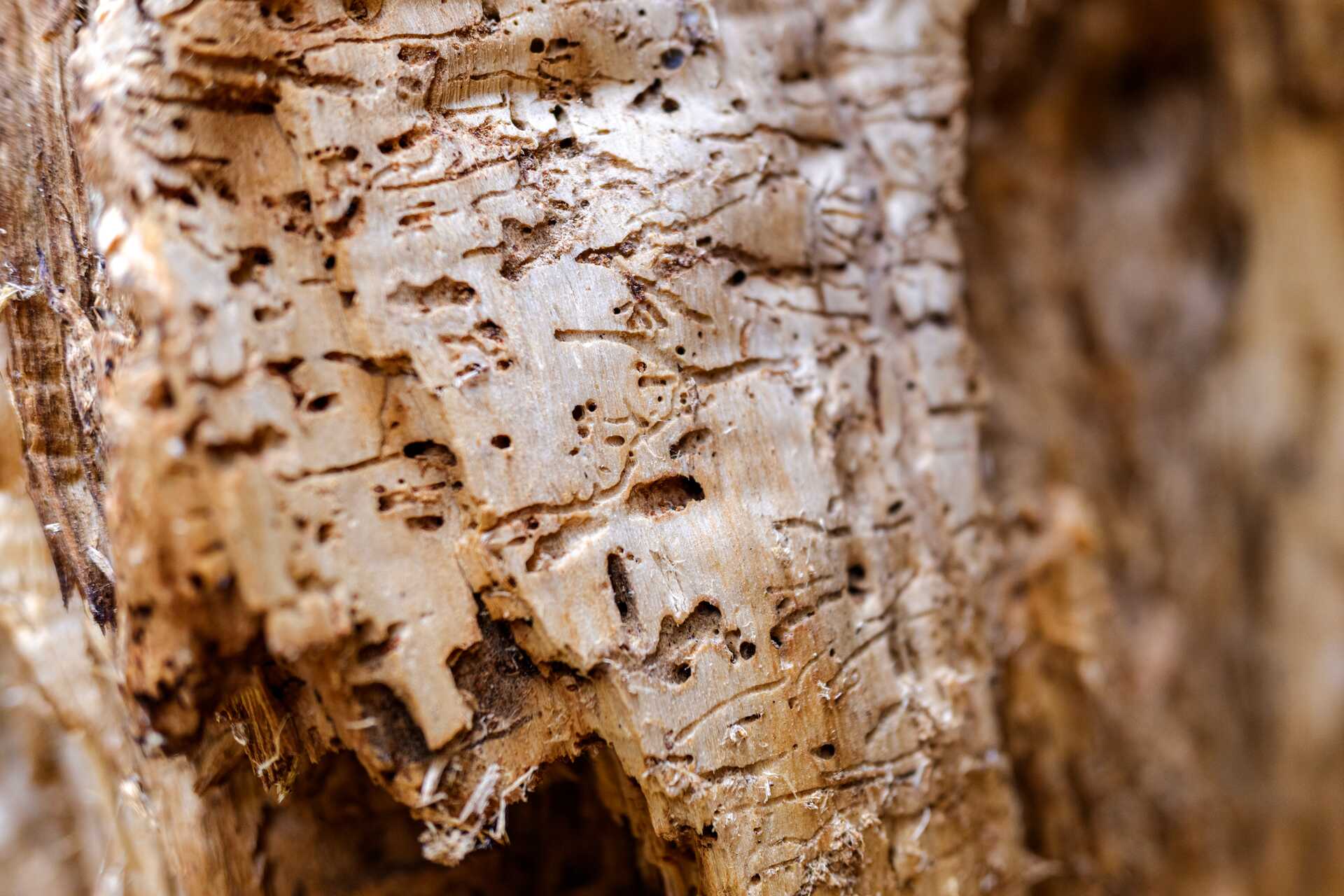
They work from the inside out. Termites eat the interior of a board and leave a thin shell. A joist can be close to hollow and still look sound. By the time paint buckles or a floor sags, the inside is well gone.
They go for the parts that hold the house up. Floor joists, support beams, wall studs and roof framing are all food.
It compounds. A weakened joist carries less load, the subfloor sags, the walls take the stress, and the problem stops being a pest problem and becomes a carpentry bill.
A rough timeline
Every house is different, so treat this as a general pattern rather than a schedule.
| Stage | What is happening | What you would notice |
|---|---|---|
| Years 1 to 3 | Colony establishing and growing | Nothing, without an inspection |
| Years 3 to 5 | Workers feeding throughout the structure | Sticking windows, slightly uneven floors, easy to blame on settling |
| Years 5 to 8 | Damage accumulating in structural wood | Bubbling paint, hollow sounding wood, visible tubes or tunnels |
| Year 8 and beyond | Long untreated infestation | Sagging floors, drooping ceilings, structural repairs |
Signs you are already years in
- Floors that feel soft or bouncy underfoot
- Doors and windows that suddenly stop fitting their frames
- Visible sagging in floors or ceilings
- Crumbling drywall or baseboard
- Wood that sounds papery when tapped
- Mud tubes on foundation walls, inside or out
When a board looks like this inside, the colony has been feeding for a long time.
Why Pittsburgh houses sit on the faster end
Three local conditions push houses here toward the quicker end of that range. The first is the housing stock. A large share of homes in the city neighborhoods and the older South Hills boroughs were built with heavy wood framing, wood porch structures and basements where framing sits close to grade.
The second is soil. Clay holds water against foundations instead of draining it away, and subterranean termites need that moisture as much as they need the wood.
The third is weather. Humid summers and regular rain keep crawl spaces and basements damp enough to support a colony through the year, and cold winters do not kill them. They simply move deeper into the soil and keep feeding on wood they have already reached.
Workers feed continuously, and a colony that finds steady moisture keeps growing.

What the repair side looks like
Termite work splits into two bills, and only one of them is pest control. Treatment handles the colony. Anything the colony already ate is carpentry: sistering a joist, replacing a sill plate, rebuilding a porch post, sometimes opening a finished wall to reach the damage.
That second bill is the one that grows with time, and it is the reason the timeline matters. Homeowners insurance generally does not cover termite damage, because it is treated as preventable rather than sudden. Known damage also has to be disclosed when the house sells, which is how a slow problem becomes an urgent one at closing.
What actually shortens the clock
Nothing on that list is a reason to panic, and all of it is a reason to get the house looked at. The gap between year three and year eight is the whole ballgame: found early, this is a treatment. Found late, it is a treatment plus a contractor.
Regular inspection is the only way to see the first half of the timeline, because none of it happens where you can watch. Our termite inspection and treatment service covers the soil to structure path these colonies use, and what happens during a termite inspection walks through what the visit involves.
Stewart Termite & Pest Control has been treating termites in Pittsburgh since 1987. If you have found damaged wood, mud tubes or swarmers, call 412-822-7610 or request an estimate online.
Frequently Asked Questions
How fast can termites destroy a house?
Noticeable structural damage usually takes three to eight years from the time a colony establishes. Severe damage takes longer, but the early years leave no visible sign, so most homeowners discover the problem well into the process.
How much wood do termites eat in a year?
It depends on colony size, moisture and temperature, so there is no reliable single figure. What is consistent is that a mature colony feeds continuously, and several colonies on one property multiply the damage.
Can termites destroy a house completely?
They rarely collapse a building, but a long untreated infestation can compromise joists, beams and sills badly enough to require major structural repair.
Do termites work faster in some houses?
Yes. Damp wood, wood in contact with soil, older heavy timber framing and previous termite damage all speed things up.
Are termites active in winter in Pittsburgh?
Subterranean termites stay active year round. They move deeper into the soil in cold weather and keep feeding on wood they have already reached, which is why damage does not pause between seasons.
Will I see the damage before it gets serious?
Usually not. Termites eat wood from the inside and leave the surface intact, so visible signs tend to appear only after years of feeding.