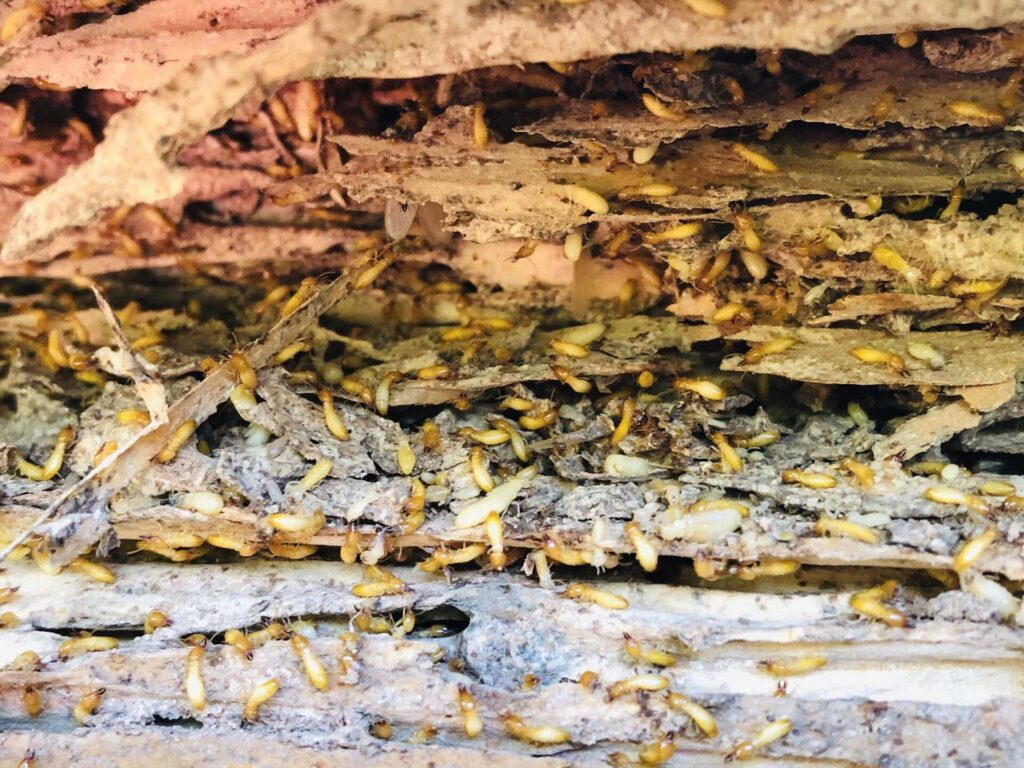
Every spring, I get the same phone call. A homeowner in the South Hills spots a few winged insects near a basement window, shrugs, and figures they’ll deal with it later. Three weeks pass. Then the phone rings again, and now it isn’t a couple of bugs. It’s a mud tube climbing the foundation and a soft spot in a floor joist.
That gap between “later” and “right now” is where most pest problems get expensive. It’s also why so many people end up wondering if preventative pest control is worth it. My honest take, after years working with homes around Pittsburgh: prevention almost always beats reaction. Not because every house is guaranteed to get invaded, but because the cost of being wrong is so lopsided. A small recurring plan is a rounding error next to a real repair bill.
The Real Trade-Off: Prevention vs. Repair
Let me start with the trade-off, because that’s usually where the decision gets made. A recurring prevention plan is a manageable, predictable expense. You know what to expect, and it covers routine treatments, monitoring, and the occasional callback when something sneaks through. It feels like a real line item, right up until you set it next to the alternative.
An active, spreading infestation is a whole different animal. Termite repairs get serious fast, because they hit the structure of the home itself. Severe rodent damage, meaning chewed wiring, ruined insulation, and fouled ductwork, piles up quickly too. Then add the disruption: the missed work, the tear-out, the nights you can’t relax in your own house. The comparison leans hard toward prevention.
| Staying Ahead of It (Prevention) | Waiting Until It’s a Problem | |
|---|---|---|
| Expense pattern | Predictable and planned | Sudden and unplanned |
| Timing | Catches issues early | Found after damage is done |
| Disruption | Minimal, routine visits | Tear-out, repairs, downtime |
| Peace of mind | Steady through swarm season | Stress and scramble |
I think about one homeowner I worked with a while back. Sharp guy, careful with money, and he’d skipped a prevention plan for years because nothing seemed wrong. Nothing was wrong, right up until he pulled up a section of basement carpet and found the sill plate turned to honeycomb. The repair set him back a serious chunk of change and the better part of a summer. A prevention plan would have been a fraction of that and caught it early. He’s a customer for life now, and not because I sold him hard, but because the outcome taught the lesson for me.
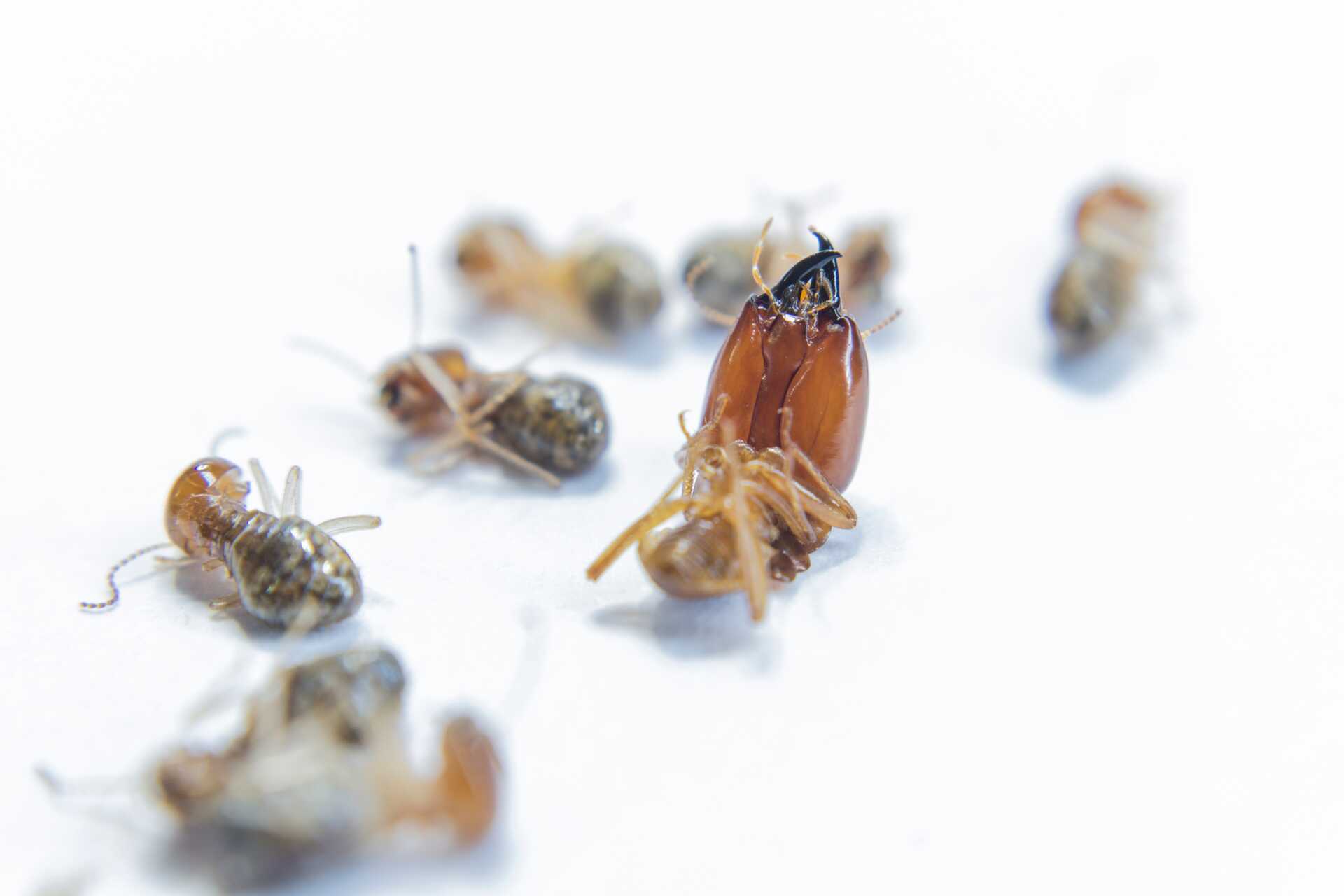
Here’s something worth sitting with. Termite trouble rarely announces itself. Damage tends to surface years after it begins, often a decade or more after a home was built. By the time you spot it, the colony has already had a long, quiet head start. That slow-burn quality is exactly what makes prevention such cheap insurance.
How to Assess Your Home’s Risk
Not every house needs the same level of protection, so I always start with the property itself. A few honest questions will tell you most of what you need to know.
Age and Foundation
Older Pittsburgh homes tend to have more ways in, and we have a lot of gorgeous century-old brick around here. Settling foundations, stone cellars, crawl spaces, and small gaps where pipes pass through walls all give pests a doorway. If your basement is where the family does laundry and the insects do lunch, that’s a risk factor worth taking seriously.
Environment and Moisture
Pests follow water. Homes near wooded lots, creeks, or low-lying yards face steadier pressure, and our humid summers keep basements damp for months. Leaky pipes, poor drainage, and firewood stacked against the siding are basically an open invitation. Fix the moisture and you’ve already won half the battle.
Climate and Season
Our seasons swing hard, and that pushes pests indoors. As late fall turns cold, mice, spiders, and roaches hunt for a warm place to overwinter. Then spring arrives, and subterranean termites in our region typically swarm somewhere between late winter and June, often on the first warm, rainy day. If you see winged insects near a window and assume they’re ants, look twice.
Your Own Tolerance
Then there’s the human factor. Some folks can shrug off a spider in the corner. Others lose sleep over a single ant on the counter. If recurring pests genuinely stress you out, or you’d simply rather not spend a Saturday troubleshooting bait stations, routine service buys back real peace of mind. That counts for something, even if it never shows up on a repair invoice.

Professional Plans vs. Doing It Yourself
I won’t pretend DIY has no place, because it does. You can seal gaps with caulk, store food in airtight containers, fix leaks fast, and keep firewood stacked at least 20 feet from the house. Those habits genuinely lower your risk, and they cost next to nothing. For a low-pressure home, steady maintenance can carry you a surprisingly long way. I tell people to walk the perimeter twice a year with a flashlight and a tube of caulk. Small cracks, torn screens, and gaps around the dryer vent are the everyday openings that let trouble in, and sealing them is honest, useful work.
But there’s a ceiling to what a hardware-store spray can reach. Professionals use commercial-grade products, know exactly where pests hide, and usually include free follow-up visits between scheduled treatments if something comes back. With wood-destroying insects, this matters even more. In fact, university experts advise against homeowners treating termites themselves, because the products and equipment are specialized and the stakes are structural. When your home’s bones are on the line, guessing gets expensive.
If you want to go deeper on the long game, I’d point you to our own breakdown: Can Pest Control Services Prevent Future Infestations in Pittsburgh? That piece walks through how consistent treatment actually interrupts the pest life cycle over time, which is really the heart of prevention.
So, Wondering If Preventative Pest Control Is Worth It? Here’s How to Decide
Here’s the simple test I give people. Add up your risk factors: home age, moisture, location, and your own tolerance. If two or more land in the “yes” column, prevention is almost certainly worth it for you. If you’re in a newer, bone-dry home on a dry lot and pests never cross your mind, occasional DIY upkeep may be plenty. Most Pittsburgh homes, honestly, fall into that first group.
When you decide it’s time to bring in help, pick a company that truly knows this region: our housing stock, our climate, and the specific pests we deal with. That local knowledge is where a good team earns its keep. If you’re comparing pest control companies Pittsburgh homeowners actually trust, look for licensing, clear guarantees, and technicians who explain what they’re doing instead of spraying and leaving.
This is exactly why so many neighbors lean on Stewart Termite. We’ve built our name on showing up, following up, and treating your home the way we’d treat our own. Our pest control services Pittsburgh plans are shaped around the pressures local homes actually face, not some one-size-fits-all national script. For anyone hunting down the best pest control Pittsburgh has to offer, that local focus is the whole difference.
So, is it worth it? For most homes here, yes, because prevention is cheap insurance against a problem that’s ruinous to fix. Walk your basement this week. Check the foundation, the pipes, and the corners you never look at. Then decide with clear eyes. If the answer points toward bringing in help, you already know where to find us.