
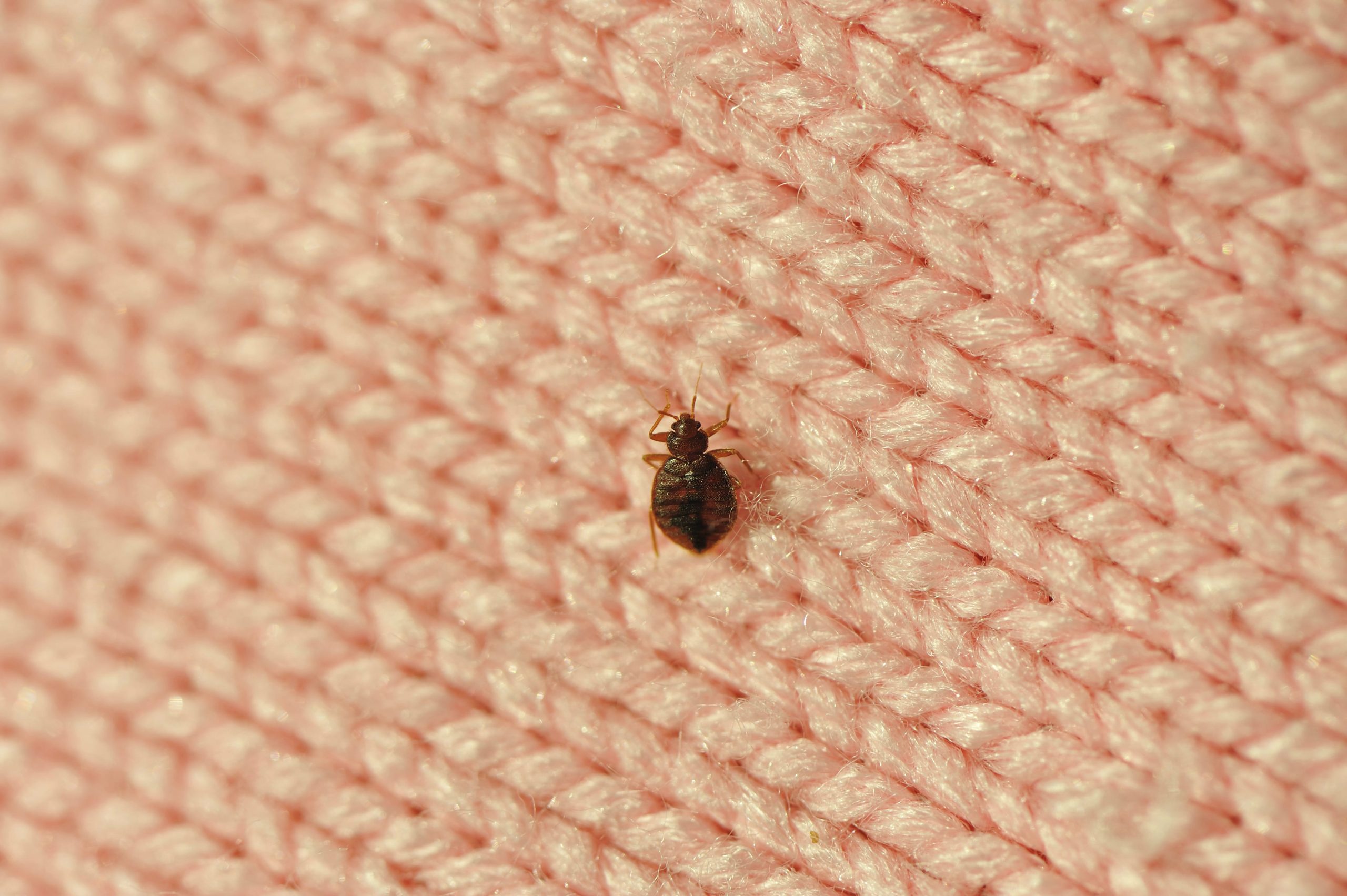
Bed bugs have made a massive comeback over the past two decades, and Pittsburgh homeowners are dealing with infestations more frequently than ever. When you discover bed bugs, the first instinct is often to handle it yourself. Maybe you grab some spray from the hardware store, wash your bedding, and hope the problem goes away. Unfortunately, bed bugs are among the hardest pests to eliminate, and DIY attempts usually fail.
Here’s why these tiny insects are so difficult to get rid of without professional help.
They Hide Everywhere
Bed bugs are masters of concealment. Their flat bodies allow them to squeeze into cracks and crevices you’d never think to check. While they’re called bed bugs because they’re often found in mattresses, they infest far more than just your bed.
Common hiding spots include mattress seams, box springs, bed frames, headboards, nightstands, dressers, behind baseboards, inside electrical outlets, behind wall hangings and picture frames, in the folds of curtains, inside upholstered furniture, and even inside books and clutter near the bed.
When you treat only the obvious locations like your mattress, you’re leaving entire populations untouched in other areas. These survivors quickly repopulate, and within weeks you’re back where you started.
Professional pest control technicians know every potential hiding spot. We use specialized inspection tools including flashlights, magnifying glasses, and detection devices to find bed bugs in locations most homeowners never check.
Store-Bought Products Don’t Work Well
The bed bug sprays and powders available at retail stores are nowhere near as effective as professional-grade products. The EPA restricts what chemicals can be sold to consumers and at what concentrations, meaning the products you can buy are significantly weaker than what professionals use.
Many over-the-counter sprays only kill bed bugs on contact. If you don’t spray a bed bug directly, it survives. These products provide no residual protection, so bed bugs that weren’t directly sprayed continue living and reproducing.
Worse, some bed bug populations have developed resistance to common insecticides found in consumer products. Using ineffective sprays just gives resistant bed bugs time to spread further through your home.
Bed Bugs Have a Complex Life Cycle
Bed bugs go through multiple life stages: eggs, five nymph stages, and adults. Each stage requires different treatment approaches. Eggs are particularly problematic because they’re resistant to most insecticides. Even if you kill all the adult bed bugs, eggs hatch within 6 to 10 days, creating a new generation.
A single female bed bug can lay 200 to 500 eggs in her lifetime. These eggs are tiny, about the size of a pinhead, and cemented to surfaces in hard-to-reach locations. Missing just a few eggs during treatment means the infestation continues.
Professional treatments target all life stages. We use combinations of methods and multiple treatments timed to catch newly hatched nymphs before they mature and reproduce.
DIY Treatment Often Spreads the Problem
One of the biggest mistakes homeowners make is using repellent sprays on bed bugs. When bed bugs detect these sprays, they flee to other areas of your home. What started as an infestation in one bedroom becomes infestations in multiple rooms.
People also spread bed bugs by moving infested furniture. Dragging an infested mattress through your house can drop bed bugs along the way, introducing them to new areas. Trying to treat one room while sleeping in another just moves the bed bugs to wherever you’re sleeping now.
Professional treatments are designed to eliminate bed bugs where they are, not scatter them. We use non-repellent products and strategic treatment methods that prevent bed bugs from relocating.
You Can’t Generate Enough Heat
Heat treatment is one of the most effective ways to kill bed bugs at all life stages, including eggs. Bed bugs die when exposed to temperatures above 120°F for an extended period. The problem is achieving and maintaining these temperatures throughout an entire room or home.
Throwing bedding in a hot dryer works for those specific items, but it doesn’t treat your mattress, furniture, baseboards, or the dozens of other places bed bugs hide. Portable heaters and steamers available to consumers don’t generate or sustain the temperatures needed to penetrate deep into furniture and wall voids where bed bugs hide.
Professional heat treatments use specialized equipment that heats entire rooms or homes to lethal temperatures, maintaining that heat long enough to kill bed bugs in the deepest hiding spots. This requires industrial heating units, careful temperature monitoring, and experience to do safely and effectively.
Bed Bugs Can Survive Without Feeding
Bed bugs are remarkably resilient. Adult bed bugs can survive 6 months or longer without a blood meal under the right conditions. If you vacate a room thinking you’ll starve them out, they simply go dormant and wait.
This survival ability means that even if you think you’ve eliminated bed bugs because you haven’t seen any for a few weeks, they may simply be hiding and waiting. When you return to normal activity in the treated area, they emerge and the infestation continues.
Professional monitoring ensures bed bugs are actually eliminated, not just hiding. We conduct follow-up inspections and use detection methods that confirm eradication.
Incomplete Treatment Guarantees Failure
Effective bed bug elimination requires comprehensive treatment of all infested areas plus preventive treatment of adjacent spaces. Most homeowners undertreat, focusing only on where they’ve seen bed bugs and missing other infested areas.
Bed bugs easily travel between rooms through wall voids, electrical conduits, and shared plumbing. If you treat your bedroom but not the adjacent rooms, bed bugs in those areas eventually migrate back.
Professional treatment includes thorough inspection to identify all infested areas, comprehensive treatment of those areas, preventive treatment of adjacent spaces, and follow-up treatments to catch any survivors or newly hatched nymphs.
The Stress and Time Factor
DIY bed bug treatment is incredibly time-consuming and stressful. You’re constantly washing bedding, vacuuming, inspecting, and reapplying treatments. Every bite or suspected bite creates anxiety. You’re losing sleep, both literally and figuratively.
Meanwhile, bed bugs continue reproducing. The longer treatment takes, the worse the infestation becomes. What might have been eliminated with one or two professional treatments turns into a months-long ordeal when handled DIY.
The financial cost adds up too. Between multiple purchases of ineffective products, replacement of infested items you gave up on treating, and eventually calling a professional anyway, DIY attempts often cost more than professional treatment would have from the start.
At Stewart Termite & Pest Control, we’ve eliminated bed bug infestations from Pittsburgh homes for nearly 30 years. We use proven treatment methods including chemical applications, heat treatments, and combinations of approaches tailored to your specific situation. Our technicians are trained to find bed bugs wherever they hide and implement treatment that actually works.
If you’re dealing with bed bugs in your Pittsburgh home, don’t waste time and money on DIY methods that won’t work. Call us at 412-822-7610 for a thorough inspection and professional treatment plan. We’ll eliminate your bed bug problem completely, giving you back your peace of mind and your home.