Pest problems do not wait for a convenient time. They show up when you least expect them, and once they settle in, getting rid of them can feel like an uphill battle. Whether you are a homeowner dealing with ants in the kitchen or a property manager handling a rodent issue in a commercial building, understanding how pest control actually works gives you a real advantage. I have found that most people only think about calling an exterminator when the problem is already out of hand. But knowing the different pest control methods available can help you act sooner and smarter.
What Are the Categories of Pest Control?
At the broadest level, pest management types fall into three primary categories: chemical, biological, and physical (also called mechanical). Each one takes a different approach to the same goal, which is reducing or eliminating pest populations. Some work fast. Others are slower but more sustainable. The best results typically come from combining all three in a strategy known as Integrated Pest Management, or IPM.
Chemical Pest Control: The Three Types of Pest Control Start Here

Chemical pest control is the method most people picture when they think about extermination. It involves the use of substances like insecticides, rodenticides, herbicides, and fumigants to kill or repel pests. This approach is popular for a reason. It delivers fast results, especially during severe infestations where time is critical.
That said, chemical treatments come with trade-offs. Overuse can lead to pest resistance, which makes future treatments less effective. There are also environmental concerns, including contamination of soil and water, and risks to non-target species like pollinators. I always recommend working with a licensed professional who can apply the right products in the right amounts. When used responsibly, chemical methods remain a cornerstone of effective pest control methods.
Biological Pest Control: Nature’s Own Approach
Biological pest control is the practice of using living organisms to manage pest populations. Think of it as nature doing some of the heavy lifting. Farmers and pest management professionals introduce natural predators, parasites, or pathogens that target specific pests without harming the surrounding ecosystem. For example, releasing ladybugs to control aphid populations or using beneficial nematodes to attack soil-dwelling larvae are both common biological strategies.
The upside is significant. Biological control is eco-friendly, sustainable, and avoids the chemical residue concerns that come with traditional treatments. The downside is that it can be slow, sometimes unpredictable, and highly dependent on environmental conditions. It works best in agricultural settings or as part of a broader chemical vs biological pest control strategy where both methods complement each other.
Physical and Mechanical Pest Control: The Three Types of Pest Control Made Hands-On
Physical pest control is exactly what it sounds like. You are physically removing pests or blocking them from entering a space. Snap traps, glue boards, screens, netting, and caulking are all examples of this method. It also includes environmental modifications like eliminating standing water or removing food sources that attract pests in the first place.
This approach is non-toxic, making it a great fit for homes with children and pets. It is also one of the most accessible options for everyday homeowners. The challenge is that physical methods can be labor-intensive. They also tend to be less effective against large, established infestations where pests have already embedded themselves deep within a structure.
Comparing the Three Types of Pest Control
| Method | Speed | Environmental Impact | Best For |
|---|---|---|---|
| Chemical | Fast-acting | Higher risk if misused | Severe infestations, quick results |
| Biological | Slow to moderate | Low, eco-friendly | Agriculture, long-term prevention |
| Physical/Mechanical | Immediate but manual | Minimal | Homes, small-scale prevention |
What Are the 3 C’s of Pest Control?
Beyond the three main types, professionals often reference the 3 C’s of pest control: Control, Contain, and Clean. These principles guide the process from start to finish. First, you control the pest population to prevent further spread. Next, you contain the infestation to a manageable area so it does not expand into other parts of the property. Finally, you clean and disinfect the affected zones to remove harmful residues left behind by both the pests and the treatment chemicals.
I think of the 3 C’s as the operational framework that sits on top of whichever pest management types you choose. Even the best treatment plan falls short if you skip the containment or cleanup steps. These principles apply whether you are dealing with a minor ant trail or a full-scale termite issue.
What Is the Hardest Pest to Exterminate?
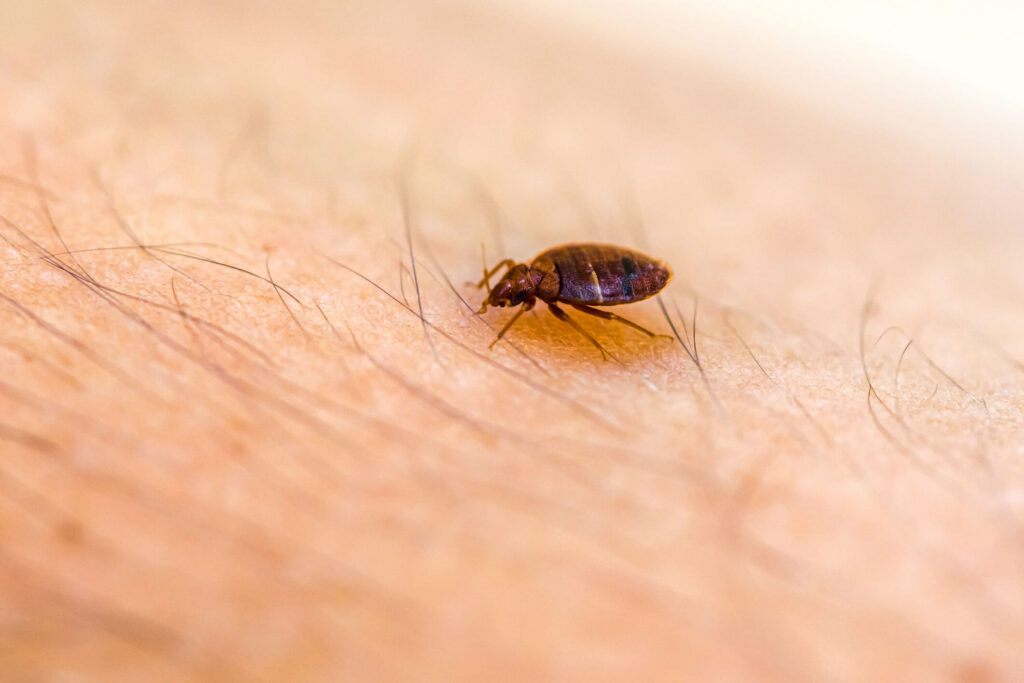
Not all pests are created equal. Some are stubborn enough to outlast even aggressive treatment plans. Bed bugs, termites, and cockroaches consistently rank among the most difficult pests to eliminate. Bed bugs reproduce rapidly, hide in nearly invisible crevices, and have developed resistance to many common pesticides. Cockroaches can compress their bodies to fit through tiny gaps, survive without food for weeks, and breed at alarming rates.
Termites are arguably the most destructive of the three. They work silently inside walls for years before anyone notices the damage. Their colonies can include thousands of individuals, and they can restart a colony even after losing their queen. This is exactly why regular inspections matter so much. If you are not already scheduling them, I encourage you to read about Why Annual Pest Inspections Are Worth the Investment.
Integrated Pest Management: The Three Types of Pest Control Working Together
Integrated Pest Management, or IPM, is the gold standard in modern pest control. Rather than relying on a single method, IPM combines chemical, biological, and physical strategies into a coordinated plan tailored to the specific situation. The U.S. Environmental Protection Agency describes IPM as an approach that uses current information on pest life cycles and environmental interactions to manage damage with the least possible risk to people and property.
IPM follows a four-step process: setting action thresholds, monitoring and identifying pests, preventing infestations, and then applying targeted controls only when necessary. It is practical, cost-effective, and far more sustainable than blanket pesticide applications. For both homeowners and businesses, adopting an IPM mindset can save money and reduce long-term risk. According to the EPA’s guide on IPM principles, this approach works in both agricultural and non-agricultural settings.
Cultural Control: Prevention Before Treatment
Cultural control is a sub-category often grouped under physical methods, but it deserves its own mention. This approach focuses on modifying the environment to make it less hospitable to pests. Simple habits go a long way here. Storing food in sealed containers, keeping trash bins tightly closed, clearing debris from around your home, and fixing leaky pipes all fall under cultural control.
In my experience, the properties that stay pest-free the longest are the ones where prevention is a daily habit, not an afterthought. Cultural control is the foundation that makes every other pest control methods strategy more effective. It is low-cost, requires no special equipment, and anyone can do it.
Choosing the Right Approach for Your Situation
There is no one-size-fits-all answer when it comes to pest control. A small ant problem might only require physical barriers and some cleanup. A serious termite infestation demands professional chemical treatment combined with ongoing monitoring. The key is to assess the severity of your situation, understand the available chemical vs biological pest control options, and act before the problem grows. If you are unsure where to start, consulting a licensed pest control professional is always the smartest first step.