What are the most common fall pests in Pittsburgh homes? The biggest offenders are stink bugs, mice, Asian lady beetles, boxelder bugs, spiders, cluster flies, and spotted lanternflies. As temperatures drop in September and October, these pests look for warm, protected spaces to spend the winter. Your walls, attic, and basement are exactly what they’re searching for.
Most homeowners notice the problem the same way. A few bugs show up on a sunny window. Then a few more. By November, you’re vacuuming them off the ceiling every morning. Knowing which pests to expect, and why they come inside, is the first step to keeping them out.
What Bugs Are Most Active in the Fall?
Fall is a transition season, and many insects are looking for a place to overwinter. Scientists call these pests “occasional invaders.” They don’t breed in your home the way cockroaches do. They simply move in to survive the cold.
In western Pennsylvania, the most active fall insects include:
- Brown marmorated stink bugs, which gather on south- and west-facing walls
- Multicolored Asian lady beetles, often mistaken for native ladybugs
- Boxelder bugs, common near maple and boxelder trees
- Cluster flies, which hide in attics and wall voids
- Spotted lanternflies, which lay egg masses on outdoor surfaces in fall
From what we see in the field, the first cool nights of late September set everything in motion. Warm afternoons follow those cold nights, and pests start crawling up siding looking for gaps. That window is the best time to seal your home.
Why Pittsburgh Gets Hit So Hard
Pittsburgh’s older housing stock plays a big role. Many homes here were built before 1950, and settled foundations, aging window frames, and gaps around utility lines give pests easy access. Add the region’s wooded hillsides and river valleys, and you have ideal habitat for fall pests Pittsburgh homeowners deal with every year.
The Common Fall Pests in Pittsburgh at a Glance
Here’s a quick comparison to help you identify what you’re seeing.
| Pest | Where You’ll Find It | Main Concern | Peak Season |
|---|---|---|---|
| Stink bugs | Windows, attics, wall voids | Odor when crushed, large numbers | Sept–Nov |
| House mice | Basements, kitchens, garages | Disease, chewed wires, contamination | Oct–Feb |
| Asian lady beetles | Sunny walls, window frames | Staining, mild biting, odor | Oct–Nov |
| Boxelder bugs | Exterior walls, near trees | Nuisance, staining | Sept–Oct |
| Spiders | Basements, corners, garages | Nuisance, occasional bites | Aug–Oct |
| Cluster flies | Attics, upper floors | Sluggish swarms on windows | Sept–Nov |
What Is the Most Common Bug to Find in Your House?
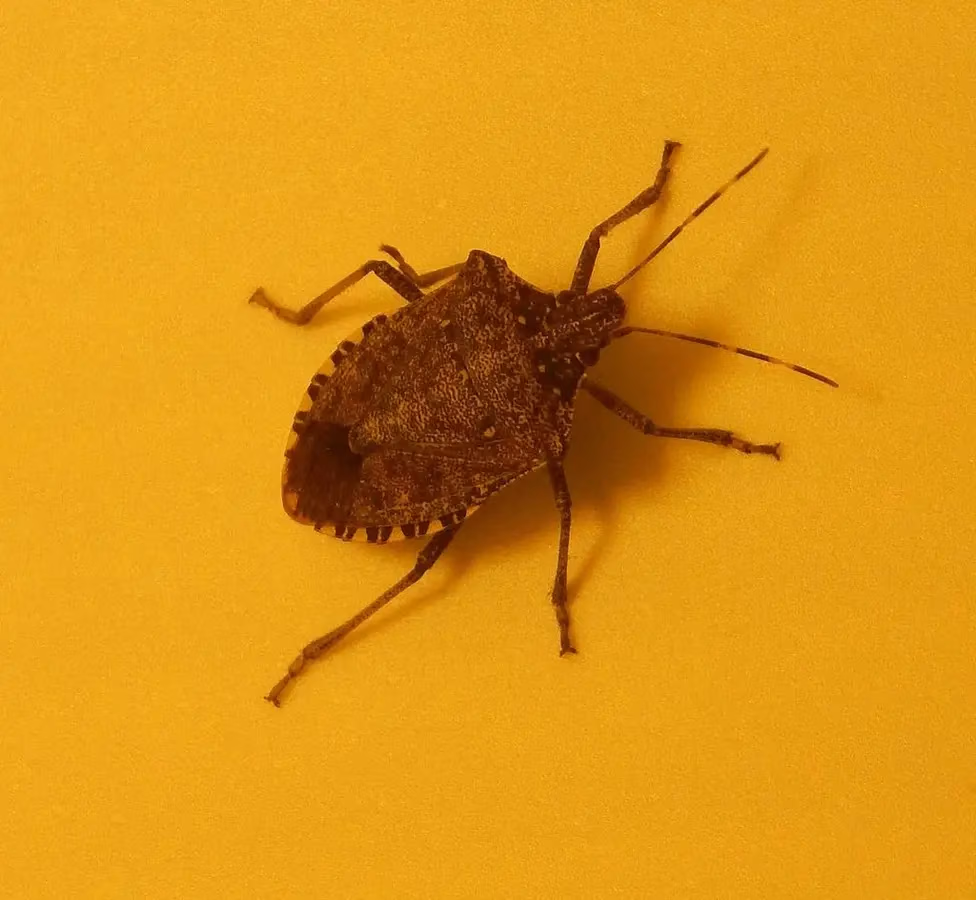
In Pittsburgh during the fall, the answer is usually the stink bug. The brown marmorated stink bug is an invasive species from Asia. It was first identified in the United States in Allentown, Pennsylvania, in the late 1990s, and it has spread across the state ever since.
Stink bugs don’t bite, and they don’t damage your home’s structure. The problem is volume. A single house can attract hundreds, sometimes thousands, and they release a musty, cilantro-like smell when disturbed or crushed.
We’ve walked into attics where the rafters looked textured from a distance. Up close, it was stink bugs packed shoulder to shoulder. If that sounds familiar, our guide on Why Stink Bugs Invade Homes in Pittsburgh (and How to Stop Them) goes deeper into prevention.
A Tip Most People Get Wrong
Don’t squash them. Crushing a stink bug releases the odor and can stain walls or fabric. A vacuum works better, but use a dedicated one or a disposable bag, since the smell lingers.
What Is the Hardest Pest to Get Rid Of?
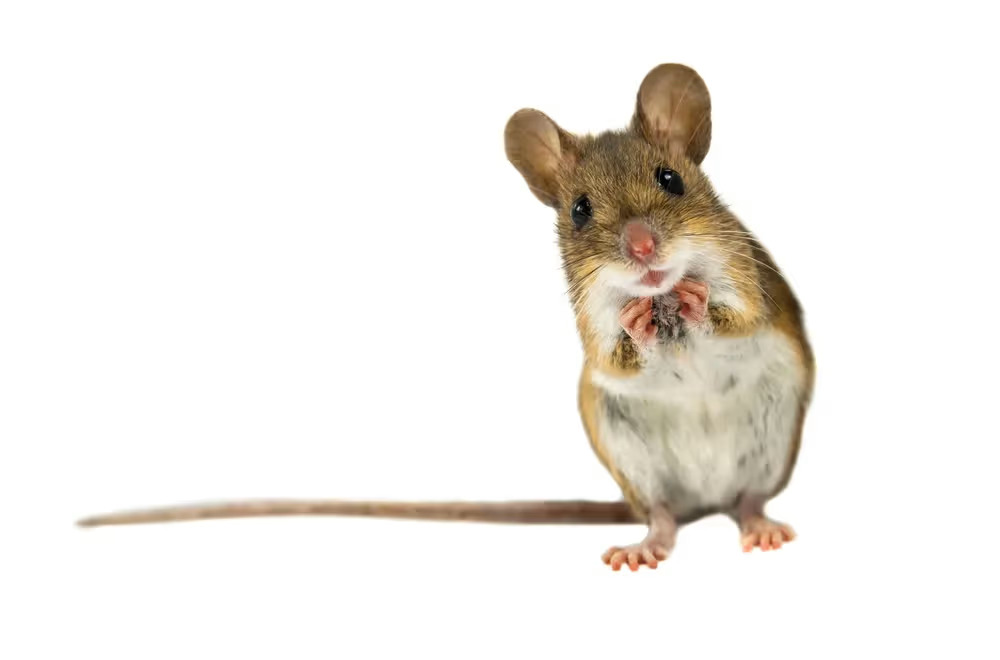
Bed bugs and termites usually top this list nationally. In the fall, though, mice are the pest that gives Pittsburgh homeowners the most trouble. They’re smart, they breed fast, and they can squeeze through an opening about the size of a dime.
A female house mouse can have several litters a year. That means two mice in October can become a real infestation by January. They also chew through insulation, drywall, and electrical wiring, which creates a genuine fire risk.
What makes mice so tough is that traps alone rarely solve the problem. If entry points stay open, new mice keep arriving. Effective pest control Pittsburgh homes need combines trapping with exclusion work that physically blocks the way in.
What Are the Four Major Pests?
Pest professionals often group household pests into four major categories: rodents, cockroaches, termites, and ants. These four cause the most property damage and health concerns across the country. Each one behaves differently in the fall.
Rodents move indoors as food sources outside disappear. Cockroaches stay active year-round in heated buildings. Termites slow down in cold weather but keep feeding below the frost line. Ants often go quiet, though carpenter ants can remain active inside warm wall voids.
According to the National Pest Management Association, termites alone cause an estimated $5 billion in property damage each year in the United States. Most homeowners insurance policies don’t cover it. That’s why an annual inspection makes sense, even when you haven’t seen any signs.
What Are the 10 Most Common Bugs in Homes?
Across the country, these ten pests show up in homes more often than any others:
- Ants
- Cockroaches
- Spiders
- Stink bugs
- Termites
- Bed bugs
- Silverfish
- Fleas
- Flies
- Mosquitoes
In Pittsburgh, spiders and silverfish are especially common in basements. Our older homes tend to have damp, stone foundations, and those conditions attract moisture-loving insects. A dehumidifier can make a noticeable difference.
I always tell homeowners to pay attention to where they see bugs, not just what they see. A spider in the basement is normal. Dozens of them usually means there’s plenty of other insect prey down there too.
What Is the Number One Pest Problem in America?
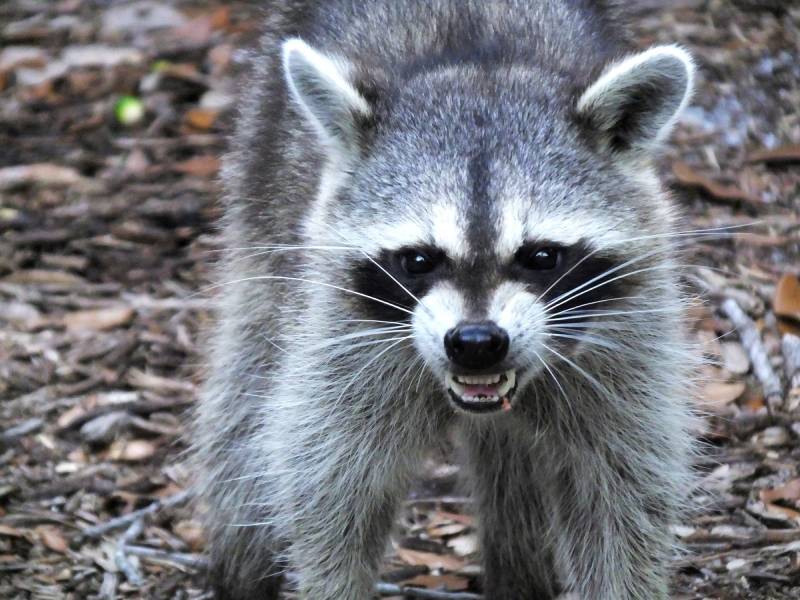
Ants are the most common nuisance pest in the United States, according to national pest industry surveys. Rodents, however, are often considered the most serious problem because of the health risks they carry. Mice and rats can spread bacteria like salmonella and contaminate food and surfaces.
The National Pest Management Association estimates that rodents invade millions of American homes each winter. Fall is when that invasion begins. You can learn more about rodent behavior and health risks from the National Pest Management Association’s PestWorld resource.
Signs You Have a Rodent Problem
Watch for small, dark droppings along baseboards or inside cabinets. Listen for scratching in walls or ceilings, especially at night. Chewed food packaging and shredded paper are also red flags.
How to Keep Fall Pests Out of Your Pittsburgh Home
Prevention is simple, but it takes some effort. The goal is to make your home harder to get into and less attractive once pests arrive.
Start with these steps:
- Seal cracks around windows, doors, and utility lines with caulk
- Replace worn weatherstripping and door sweeps
- Install screens on attic and crawl space vents
- Store firewood at least 20 feet from the house
- Keep gutters clean and direct water away from the foundation
- Store pantry food in sealed plastic or glass containers
Timing matters more than most people realize. Sealing in August or early September works far better than waiting until bugs are already inside. Once they’re in your walls, they stay until spring.
When to Call an Exterminator in Pittsburgh
Some problems are too big for DIY fixes. If you’re seeing pests every day, finding droppings, or hearing activity in your walls, it’s time to call a professional. The same goes for any sign of termites, such as mud tubes or discarded wings near windows.
A qualified exterminator Pittsburgh residents trust will inspect your home, identify entry points, and build a treatment plan that fits your situation. Professional exterior treatments applied in late summer can dramatically reduce fall invaders. That approach saves you months of frustration.
We’ve seen homeowners spend an entire winter fighting stink bugs and mice on their own. Most of them tell us the same thing afterward. They wish they’d called sooner.
Fall doesn’t have to mean sharing your home with pests. With early prevention and the right help, you can enjoy the season without the unwanted guests.