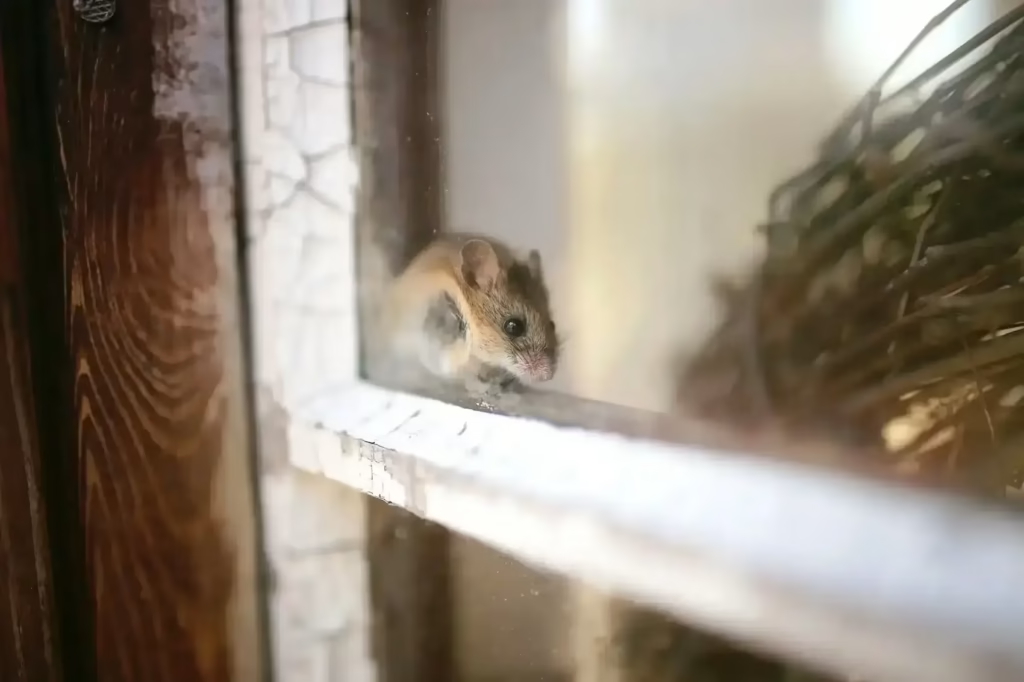

Why do rodents get into garages and sheds in Upper St. Clair? They’re after three things: shelter, food, and warmth. Garages and sheds offer all three with very little risk. A mouse needs a gap only about a quarter inch wide, which is about the width of a pencil, to get inside. Once it finds bird seed, pet food, or a cozy box of old blankets, it stays.
That’s the short answer. The longer answer explains why some garages get hit year after year while the house next door stays clear. I’ve crawled through a lot of detached sheds and two-car garages in the South Hills. The same patterns show up again and again.
Why Rodents Get Into Garages and Sheds in Upper St. Clair So Often
Upper St. Clair is a lovely place to live. It’s also a lovely place to be a mouse. The township has mature trees, wooded lots, creek corridors, and green space like Boyce Mayview Park. All of that makes great rodent habitat right next to our homes.
Then there’s the weather. Western Pennsylvania falls get cold fast. When nights drop into the 40s, mice and rats start looking for a warm place to spend the winter, and a garage is usually the first stop.
The regional numbers back this up. In Orkin’s 2025 list of the rattiest cities, Pittsburgh ranked 20th in the country. That ranking is based on how many new rodent treatments the company did in the area. Suburbs aren’t immune just because they’re quieter than downtown.
Why Are Rats Coming Into My Garage?
Rats are practical animals. They go where the food is easy and the danger is low. In most garages I inspect, the draw is obvious once you know what to look for.
The usual suspects include:
- Bags of grass seed, bird seed, or dog food on the floor
- Garbage and recycling bins stored inside
- Cardboard boxes, old insulation, and stacked lumber
- A garage fridge or freezer with a warm motor compartment
Norway rats, the kind we see most around here, like to burrow. They’ll dig along a foundation or slab edge and come up right under the garage door. If you see a fresh hole near your driveway apron, take it seriously.
Is It Normal to Have Mice in Your Garage?
It’s common, but it’s not something to shrug off. Orkin estimates that mice and other rodents get into about 21 million U.S. homes each fall. The garage is often where that starts.
Here’s the problem. A garage attached to your house shares walls, and those walls often have gaps where pipes and wires pass through. The mice in your garage in October can be in your kitchen cabinets by November.
I tell homeowners this all the time: one mouse sighting is usually not one mouse. Mice breed quickly and stay out of sight. By the time you see one in daylight, there’s often a nest nearby.
Can a Mouse Survive in a Garage?
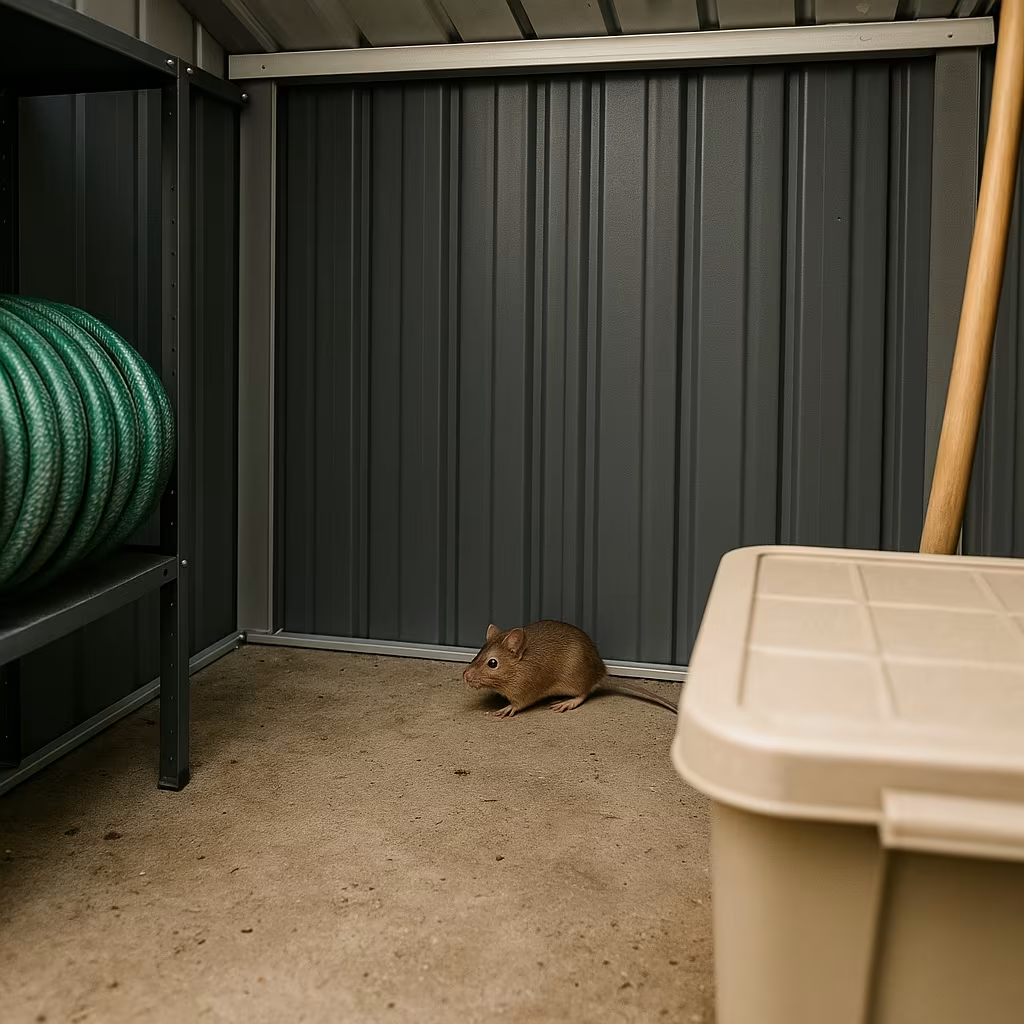
Yes, and quite comfortably. A garage blocks wind and snow, stays warmer than outside, and is full of nesting material. Mice get most of the water they need from their food, so they don’t even need a leaky pipe.
Sheds are the same, just rougher. A lot of older sheds in the township sit on wooden skids or right on the ground. That leaves a dark, dry space underneath, which is perfect for a nest.
I’ve opened shed doors in spring and found lawn mower seats chewed into nests. Car owners have it worse. Mice love engine bays, and chewed wiring can mean an expensive repair bill.
Common Garage and Shed Entry Points (And How to Fix Them)
The CDC says a mouse can fit through a hole about the width of a pencil. Rats need a little more room, about a half inch. That’s why sealing entry points does more good than any trap.
| Entry Point | Why Rodents Use It | Best Fix |
|---|---|---|
| Worn garage door bottom seal | Gaps at the corners are easy to squeeze through | Replace the seal and add corner rodent guards |
| Gaps around pipes and wires | Direct path into shared walls | Pack with steel wool, then seal with caulk |
| Shed floor on skids or dirt | Dark, protected space underneath | Install hardware cloth skirting buried 6–12 inches |
| Vents and soffits | Easy access for climbers | Cover with 1/4-inch metal mesh |
| Cracked slab or foundation | Burrowing rats come up from below | Fill with cement or mortar |
A simple test: close your garage door during the day and turn off the lights. If you see daylight around the edges, a mouse can probably get in there too.
How to Stop Rodents From Entering the Garage
Start outside, then work your way in. Most entry points begin on the outside of the building. Walk the whole perimeter slowly, and check low areas carefully.
Next, take away the reasons to stay. Store seed and pet food in metal bins with tight lids. Get cardboard boxes off the floor and onto metal shelving. Plastic totes are better than cardboard, but a determined rat can chew through them.
Trim back shrubs and ivy that touch the building. Move firewood at least 20 feet away and keep it off the ground. These small changes remove the cover that rodents use to travel unseen.
How Do I Stop Mice From Coming Into My Garage?
Mice are smaller and more persistent than rats, so the details matter. Replace the garage door bottom seal if it’s cracked or flattened. This is the number one entry point I find, by far.
Use the right materials. Spray foam by itself won’t work because mice chew right through it. Pack gaps with steel wool or copper mesh first, then seal over the top.
Snap traps set along walls work well for mice already inside. Place them where you see droppings, with the trigger facing the wall. Skip the ultrasonic plug-ins, because I haven’t seen them solve a real problem.
If you’re finding mice in garage spaces every season despite your best efforts, there’s likely a hidden entry you haven’t spotted. That’s when a professional inspection pays for itself.
What Smell Do Mice Absolutely Hate?
Peppermint oil is the most common answer, and it’s the one I hear most from homeowners. Mice do seem to dislike strong smells like peppermint, clove, and ammonia. The catch is that the effect fades quickly.
I’ll be honest here. Scents might make a spot less appealing for a few days. They won’t push out mice that have already found food and shelter.
Think of scents as a small extra step, not a solution. Sealing, cleaning, and trapping do the real work. Save your money on sprays and put it toward a good door seal.
Warning Signs You Shouldn’t Ignore
Rodents are good at hiding, but they leave clues. Watch for:
- Small, dark droppings along walls or on shelves
- Chewed cardboard, wires, or bags
- Greasy rub marks along baseboards
- Scratching sounds at night
- A musty, stale smell in closed-up areas
Be careful with cleanup. Don’t sweep or vacuum droppings, because that can stir up dust carrying germs. The CDC recommends spraying droppings with disinfectant first, then wiping them up with gloves on.
When to Call a Pro for Rodent Control in Upper St. Clair
DIY works for a single mouse and a clear entry point. It struggles when the problem keeps coming back. If you’ve set traps for weeks and still see signs, it’s time for help.
Good pest control Upper St Clair homeowners can rely on starts with an inspection, not just bait. We look for the entry point, the food source, and the nest. Then we seal what needs sealing and set up monitoring so you know it’s actually handled.
If you’re dealing with repeat activity, our team handles rodent control Upper St Clair residents trust, from garages and sheds to attics and basements. Heading into fall, it’s also worth reading How to Keep Mice Out of Your Mt. Lebanon Home Before Cold Weather Arrives. The same tips apply here in Upper St. Clair.
Final Thoughts
Rodents don’t pick your garage by accident. They follow warmth, food, and easy openings. Take those away, and most of them move on.
Start with a walk around your garage this weekend. Check the door seal, look for gaps, and get the seed off the floor. Small fixes now can save you a lot of trouble later.