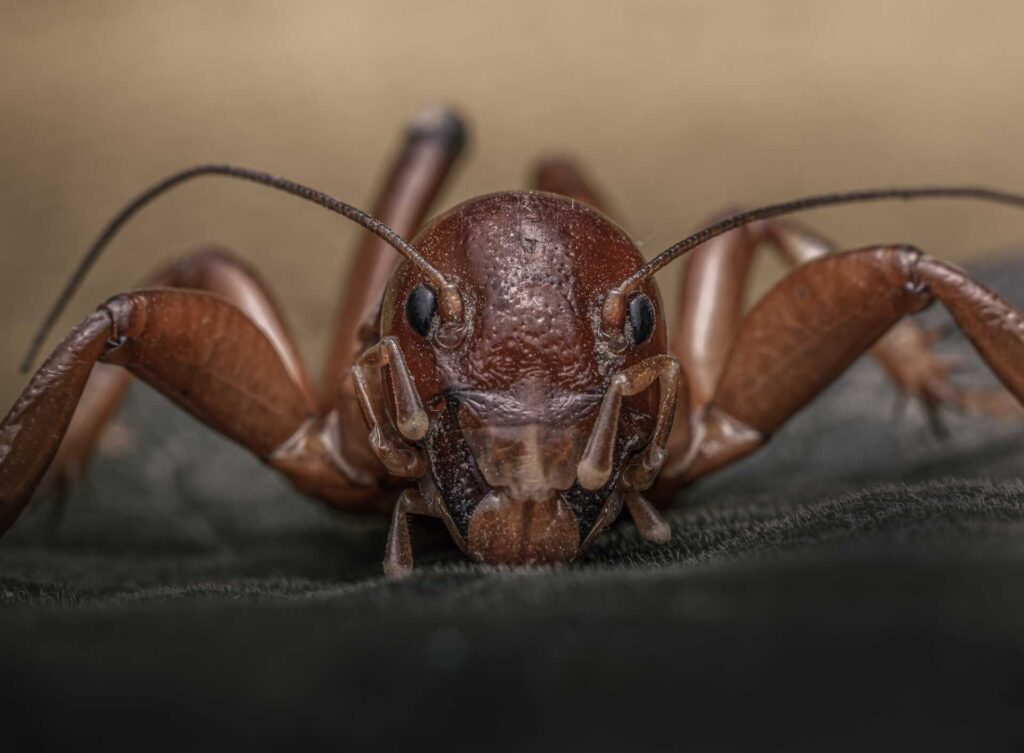
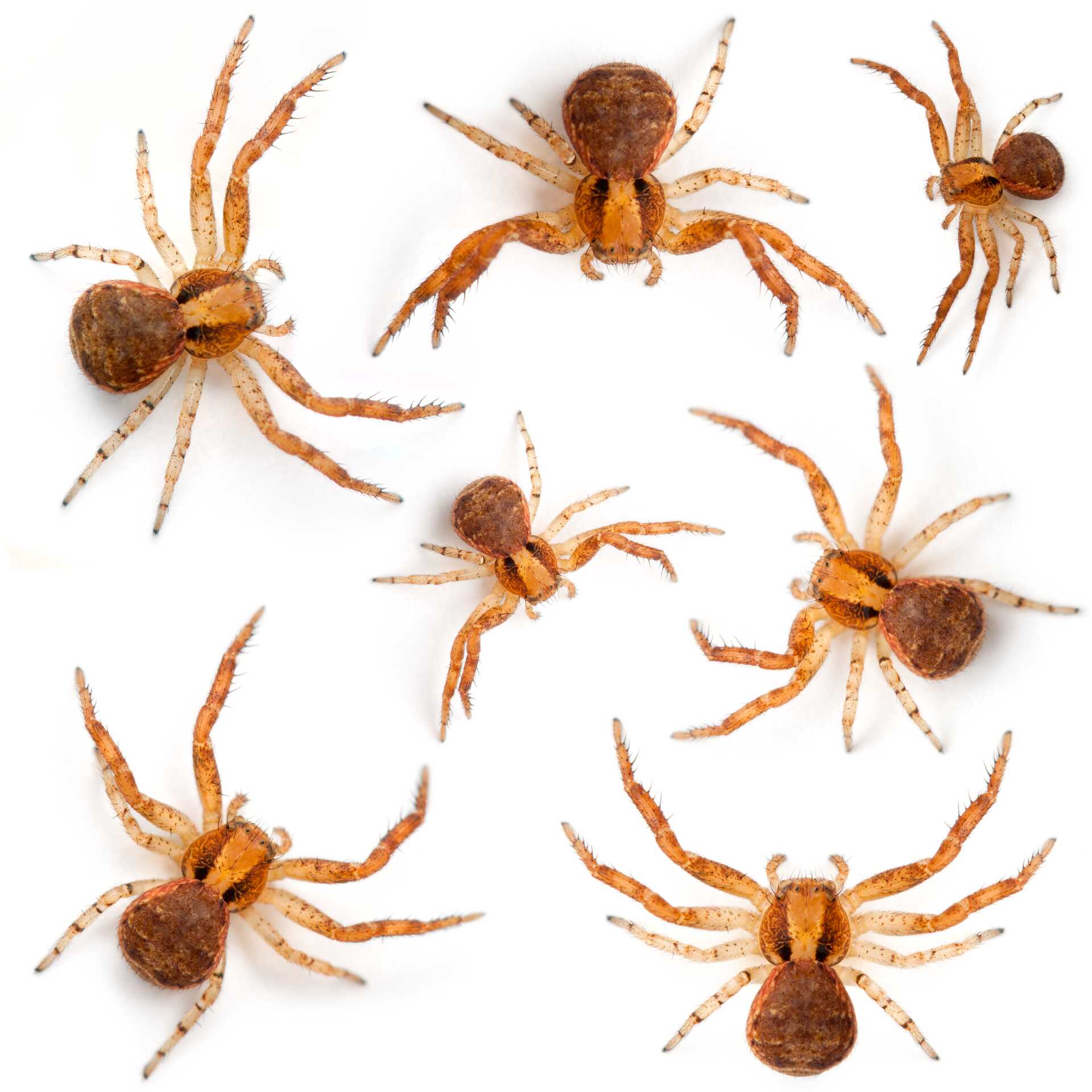
The first serious storm of the season rolls through Pittsburgh, and like clockwork, my phone starts ringing. After years of doing this work across the region, I could practically set my watch by it. A homeowner in Squirrel Hill finds a trail of ants marching across the kitchen counter. Someone in Mount Lebanon spots a cluster of tiny bugs near the basement drain. A family up in the North Hills swears the mosquitoes appeared out of nowhere overnight. It’s not their imagination, and it’s not bad luck. Heavy rain genuinely drives pests indoors, and understanding why is the first step toward keeping them out for good.
Why Heavy Rain Sends Pests Scrambling Indoors
Rain doesn’t create bugs. It relocates them. Insects that spend their lives tucked into soil, mulch, and hollow logs suddenly find their homes flooded, and when the groundwater rises, they do exactly what you or I would do. They head for higher, drier ground. More often than not, that higher ground is your house. To a colony that just got washed out, your warm foundation and dry basement look like a five-star hotel.
I still remember a call in Bloomfield after a long stretch of summer thunderstorms. The homeowner was certain she had a brand-new infestation on her hands. In reality, the same ant colony that had lived quietly under her back patio for years had simply been pushed up through a hairline foundation crack. Nothing new had moved in. The rain had only changed their address.
Flooded Nests and Displaced Colonies
Saturated soil is the single biggest culprit. Ants, termites, and cockroaches build sprawling underground galleries that fill with water during a heavy downpour. Faced with drowning, they migrate all at once toward the nearest dry shelter they can find. That’s why you’ll usually notice a surge of activity a day or two after a storm rather than during it. The bugs aren’t multiplying overnight. They’re evacuating, and your home is the lifeboat.
Humidity, Damp Wood, and Wood-Loving Pests
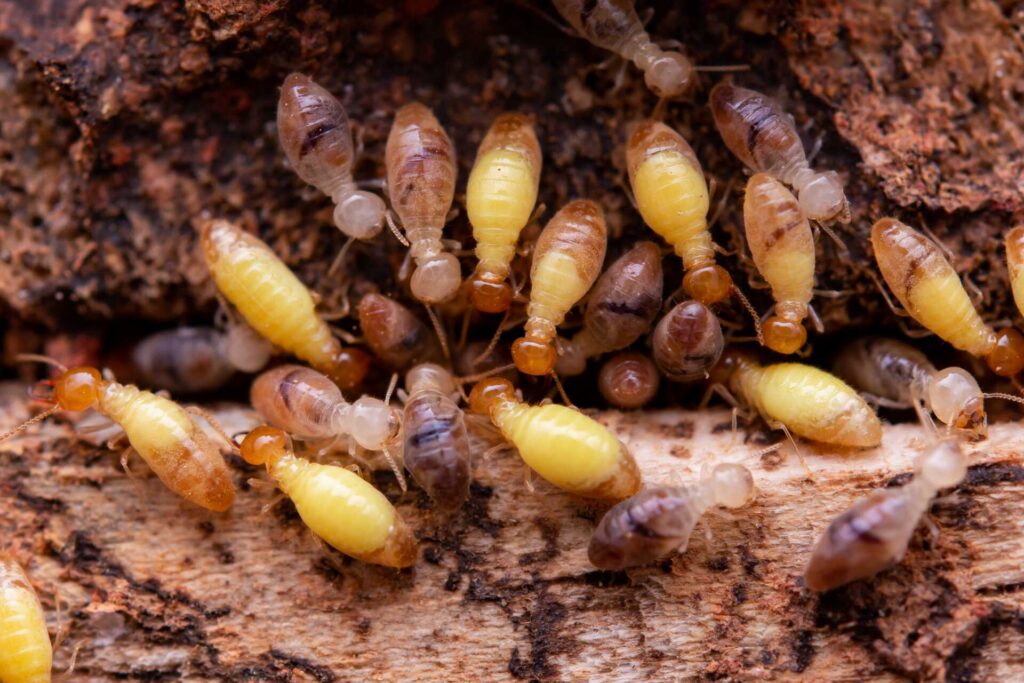
Moisture does far more than flood nests. It softens the wood in and around your home, and softened wood is an open invitation to the worst offenders. Carpenter ants and termites are especially drawn to damp, rotting timber because it’s simply easier to tunnel through. Experts at Penn State Extension note that carpenter ants rarely bother with sound, dry wood, and instead target material with a moisture content above roughly 15 percent. That means a leaky gutter, a sweating pipe, or a poorly ventilated crawl space can quietly set the table for a very expensive problem.
Standing Water and the Mosquito Boom
Then there are mosquitoes, the complaint I hear from nearly every Pittsburgh homeowner after a wet week. They need only a bottle cap’s worth of stagnant water to breed, and a single storm leaves plenty of that behind. Clogged gutters, forgotten plant saucers, kiddie pools, and low spots in the yard all become instant nurseries. Within a week or two, a quiet backyard can turn into a swarm you don’t want to walk through at dusk. Emptying that standing water is one of the simplest and most effective moves you can make.
Here’s a quick reference I share with clients so they know what tends to show up after a storm and why.
| Pest | Why rain drives them in | First place to check |
|---|---|---|
| Ants | Flooded outdoor nests | Kitchen counters, foundation cracks |
| Carpenter ants | Damp, softened wood | Window frames, basement wood |
| Termites | Saturated soil, moist timber | Crawl space, sill plates |
| Cockroaches | Displaced from drains and voids | Bathrooms, under sinks |
| Mosquitoes | Fresh standing water | Gutters, saucers, yard puddles |
| Earwigs & silverfish | High indoor humidity | Basements, laundry areas |
Seeing More Bugs After Heavy Rain? Here’s What Pittsburgh Homeowners Should Know Before the Next Storm
The encouraging news is that a little prevention goes a remarkably long way. You don’t need to turn your home into a sealed fortress; you just need to close the easy doors and dry out the welcome mat. So if you’re seeing more bugs after heavy rain, here’s what Pittsburgh homeowners should know first: the most powerful tools cost far less than an emergency treatment down the road. The three steps below are the ones I recommend most often. Handle these, and post-storm invasions stop being your new normal.
Seal Entry Points
Pests are opportunists, and they’ll squeeze through gaps you’d never think twice about. Walk the perimeter of your foundation and look for cracks, then inspect every spot where pipes, cables, and dryer vents pass through the wall. A single tube of exterior-grade caulk can close most of these openings in one afternoon. Pay extra attention if you own one of our older Pittsburgh homes, where decades of settling tend to open up hairline entryways. It’s tedious work, I’ll admit, but it’s some of the cheapest insurance you will ever buy.
Manage Moisture
If there’s one lesson I would tattoo on every homeowner in this city, it’s this: control the moisture and you control the bugs. Our region’s older housing stock is famous for damp, musty basements, and that dampness attracts roaches, earwigs, silverfish, and wood-destroying insects all at once. A quality dehumidifier can transform a clammy basement into a space that pests want nothing to do with. Fix dripping pipes promptly, and make sure your dryer actually vents to the outside. Dry homes are boring homes, and bugs hate boring.
Clear Debris and Standing Water
Your yard is the first line of defense, so keep it working in your favor. Clean out your gutters so rainwater flows away from the house instead of pooling against the fascia and siding. Rake up wet leaf piles, and move mulch, firewood, and any decaying wood well away from the foundation. Anything that touches the house is basically a bridge an insect can walk across. After each storm, take two minutes to dump out saucers, buckets, and toys holding water. If you’d like a deeper look at how rain pulls specific pests inside, our team broke it down in How Does Rain Affect Ants, Mice & Other Pests in Erie, PA?
Why Stewart Termite Is the Superior Choice in Pittsburgh
DIY steps handle the easy cases, but some situations call for a professional eye. When you need pest control services Pittsburgh homeowners can rely on, our team brings decades of hands-on local experience to every single call. We understand how our region’s heavy clay soils drain, how our century-old homes are put together, and exactly where pests like to hide once the rain forces them indoors. That kind of local knowledge is a big part of why so many neighbors consider us the best pest control Pittsburgh has to offer.
What really sets us apart is that we don’t just spray and leave. A dependable exterminator Pittsburgh residents can count on will track down the source of the trouble, whether that’s the flooded nest, the leaking crawl space, or the unsealed gap around a pipe, and then solve the actual problem at its root. I’ve walked into far too many homes where a previous company treated the symptom and ignored the cause. Three months later, right on schedule, the bugs were back. We would rather fix it correctly the first time and give you real peace of mind, storm after storm after storm.
The Bottom Line for Pittsburgh Homeowners
Rain is simply part of life in this city, and so are the pests that ride in on it. But a soggy forecast does not have to mean a buggy house. Seal your entry points, manage your indoor moisture, and keep your yard clear, and you will head off the overwhelming majority of post-storm invaders before they ever settle in. When the problem grows beyond a caulk gun and a dehumidifier, that’s exactly what we’re here for. Give Stewart Termite a call, and let’s keep your home dry, sealed, and pest-free, no matter what the Pittsburgh sky decides to throw at it.