The first house I nearly bought near Pittsburgh checked every box. A finished basement, a big maple in the backyard, and a price that felt too good to pass up. Then the pest inspector pushed a screwdriver into a floor joist, and it sank in like the wood was wet cardboard. Termites had been feeding behind that drywall for years, and nobody had a clue.
That afternoon changed how I look at every home purchase in this region. A standard home inspection matters, but it will not always catch what is quietly eating your future house from the inside. If you are shopping for a place around here, this is the story I wish someone had told me first.
What Makes Pittsburgh Homes So Tempting to Termites
I have crawled through enough basements across Allegheny County to say it plainly: our region is practically designed for wood-destroying insects. A huge share of homes here were framed decades ago, and their sills, joists, and subflooring sit close to cool, damp soil. Layer on our humid summers and long freeze-thaw cycles, and you get the steady moisture that termites and wood-destroying fungi love. Neighborhoods full of charming century-old houses, from the city out to the older suburbs, are exactly the housing stock these pests target.
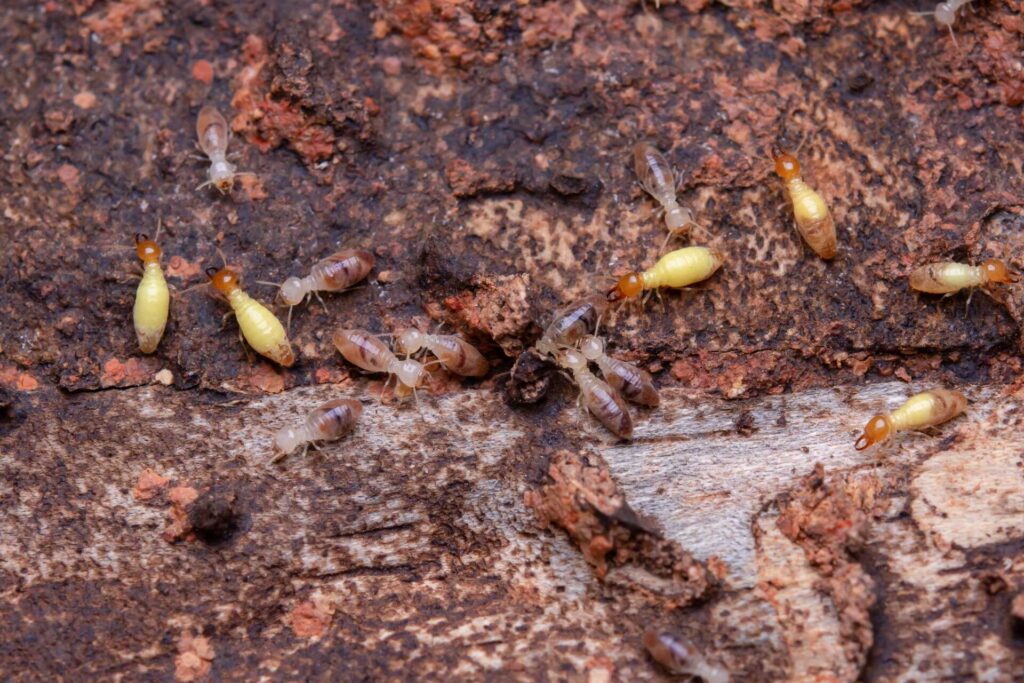
The insects themselves are locals too. According to Penn State Extension, eastern subterranean termites live throughout Pennsylvania and usually attack the structural timbers right above the basement walls. Their swarms tend to appear between late winter and early summer, often on the first warm, rainy day. The catch is that visible damage often takes ten years or more to surface, so a lovely older home can quietly hide years of feeding.
Buying a Home Near Pittsburgh? Here’s Why a Pest Inspection Should Be on Your Checklist
Here is what surprises most buyers. A general home inspection rarely includes a detailed hunt for wood-destroying insects, and your homeowners policy almost never pays for the damage they cause. If termites chew through a sill plate a month after you close, that repair bill is entirely yours. Carpenter ants, powderpost beetles, and carpenter bees can pile on too, hollowing out trim and decking while you are busy unpacking.
There is a financing angle as well. Because the Pittsburgh area sits in a moderate-to-heavy termite zone, a wood-destroying insect report is typically required before a VA loan will clear, and an FHA appraiser can call for one if they spot evidence. So when you are buying a home near Pittsburgh, a pest inspection belongs on your checklist right next to the roof, the furnace, and the electrical panel. It is a small step that protects the biggest purchase most of us ever make.
What Is Done During a Pest Inspection?
A licensed pest inspection usually takes somewhere between forty-five and ninety minutes, and a thorough inspector leaves no corner unchecked.
Inside the Home
They move through the basement, crawl space, and attic looking for mud tubes, discarded wings, and framing that sounds hollow when tapped. They also measure moisture, since wood sitting above roughly twenty-eight percent moisture content invites both fungi and insects. Bubbling paint, sagging floors, and small piles of what looks like sawdust all go on the list.
Outside and Underneath
Outdoors, attention shifts to the foundation, decks, porch posts, trim, and any point where wood meets bare soil. The inspector notes carpenter ant tunneling, rodent gnaw marks, unsealed entry gaps, and standing water near the walls. Everything they find lands in a written report you can hand straight to your agent or lender.
What Do Termites Hate the Most in the House?
If there is one thing termites cannot tolerate, it is a dry, sealed, well-drained home. They survive on moisture and easy access to wood, so removing those two things quietly starves them out. Grade the soil so water runs away from the foundation, repair leaky gutters and pipes, and keep mulch and firewood a good distance from the walls.
Ventilate damp basements and crawl spaces, and swap any wood that touches bare dirt for pressure-treated lumber or non-wood materials. I tell buyers all the time that a tidy, dry perimeter is one of the cheapest forms of protection they will ever get. Termites are relentless, but they are also predictable, and they hate a home that gives them nothing to work with.
How to Prepare a House for Pest Inspection?
A little prep makes the visit smoother and the final report far more useful. Clear a path to the basement, crawl space, attic, and water heater so the inspector can actually reach the areas that matter. Slide stored boxes and bins a foot or two away from the basement walls, and make sure utility areas are easy to get to.
Outside, trim back shrubs and branches touching the siding, and unlock garages, sheds, and gates ahead of time. Move firewood and yard debris away from the foundation, since those piles double as termite highways. The easier it is to examine every corner, the fewer “inaccessible area” notes end up weakening your report.
What a Clean Report Is Really Worth
Let’s talk value, because this is where it gets obvious. A standalone wood-destroying insect inspection is a modest, one-time expense in the grand scheme of a home purchase. Treatment and structural repairs, on the other hand, can balloon quickly once termites reach framing or subflooring. Better still, a report that flags active pests or old damage hands you real leverage at the negotiating table.
| A Small Spend Now | What It Can Prevent Later |
|---|---|
| Pest inspection: one modest, one-time fee | Termite treatment: a far larger, recurring bill |
| One 45- to 90-minute visit | Structural repairs your insurance will not cover |
| A clear written report | A stalled loan approval and a delayed closing |
When a small, upfront inspection can spare you a major repair bill down the road, it becomes one of the smartest lines on your entire buying checklist.
Why Stewart Termite Is the Name Pittsburgh Buyers Trust
When it is time to actually book that inspection, this is where I steer people toward Stewart Termite and Pest Control. Their team knows the quirks of local housing, from the stone foundations to the old coal cellars to the additions built over crawl spaces, and they catch the subtle signs a general inspector can miss. For buyers who want dependable pest control Pittsburgh families have leaned on for years, Stewart delivers clear reports and honest recommendations instead of scare tactics.
Whether you need a one-time buyer’s inspection or the kind of ongoing pest control services Pittsburgh homeowners schedule season after season, they treat your house like it is their own. That blend of local knowledge, straight talk, and genuine follow-through is exactly why so many of my clients consider them the best pest control Pittsburgh has to offer.
Protecting Your Investment After the Keys Are Yours
Closing day is not the finish line. Termite colonies can rebuild, and a home that tested clean at purchase can develop trouble a few seasons down the road. That is why I encourage every new owner to set up a yearly checkup, because catching a problem early costs a fraction of repairing damage you can already see.
If you want the full breakdown of that math, Stewart’s own guide, Why Annual Pest Inspections Are Worth the Investment, walks through it clearly. Buy smart, inspect early, and keep a steady eye on things. Do that, and the dream home you worked so hard for stays a dream instead of turning into a money pit.