
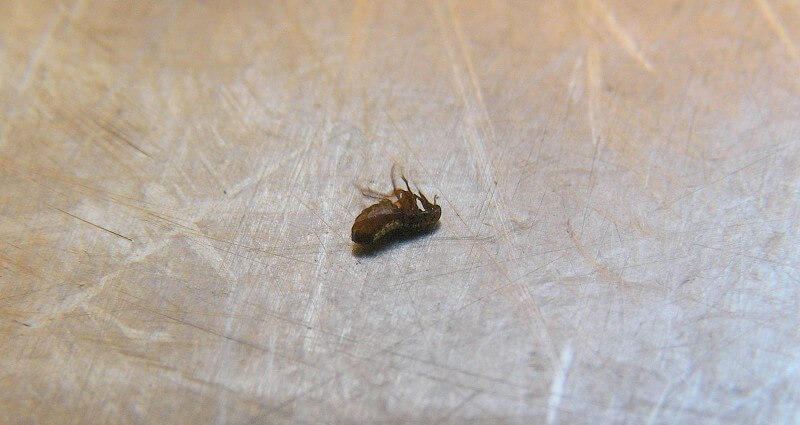
If you have ever dealt with a flea problem, you know how quickly things can spiral. One or two bites turn into dozens. Your pet starts scratching nonstop. Suddenly, you are finding tiny dark specks on your couch cushions and bedding. I have been through it, and I can tell you that half-measures do not work. Understanding how to get rid of fleas means committing to a full plan that covers every corner of your property.
Fleas reproduce at a staggering rate. A single female can lay up to 50 eggs per day, and those eggs scatter across carpets, furniture, and your yard. The entire life cycle can complete in as little as three weeks. That speed is exactly why a scattered approach fails and a coordinated strategy succeeds.
Why Fleas Are So Hard to Eliminate
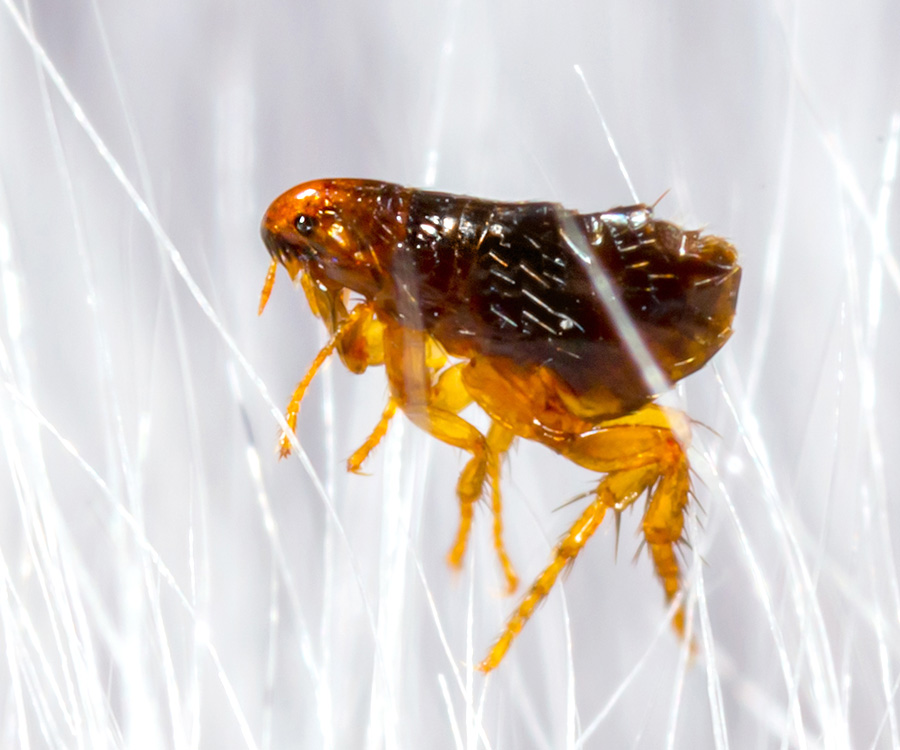
Fleas go through four life stages: egg, larva, pupa, and adult. Most people only notice the adults, but they represent just 5% of the total population in your home. The other 95% are hiding as eggs, larvae, and pupae deep in your carpet fibers, in cracks along your baseboards, and buried in your yard soil.
The pupa stage is especially frustrating. Flea pupae spin a sticky cocoon that shields them from most insecticides, and they can survive in that state for months. They wait for signals like vibration or warmth before emerging as hungry adults. This is why fleas can reappear weeks after you thought the problem was solved.
Getting Rid of Fleas in Your Home

Your home is ground zero. Every room your pet enters becomes a potential breeding site. Start with aggressive vacuuming, daily. Hit the carpets, area rugs, upholstered furniture, and the crevices along baseboards. Seal the vacuum bag immediately and dispose of it outside.
Wash all pet bedding, throw blankets, and your own bedding in hot water every one to two weeks. The heat kills fleas at every life stage. For carpets and rugs that cannot go in the washing machine, a steam cleaner is a powerful option because the high temperatures eliminate eggs and larvae on contact.
Indoor Treatments That Work
Apply an indoor flea spray that contains an insect growth regulator like pyriproxyfen. These products do not just kill adult fleas. They prevent eggs and larvae from developing, which breaks the reproduction cycle. You can also sprinkle food-grade diatomaceous earth on carpets and let it sit for a few hours before vacuuming. The fine powder damages the flea’s exoskeleton and causes dehydration.
What Do Fleas Hate the Most in the House?
Fleas avoid certain scents and environments. They cannot tolerate strong herbal aromas like cedarwood, peppermint, and eucalyptus. Placing cedar chips in closets or near pet bedding can help deter them. Fleas also struggle in dry conditions, which is why sprinkling table salt on carpets for 24 hours works as a simple dehydration method before vacuuming.
Beyond scent-based deterrents, fleas hate light and low humidity. Keeping your home well-lit and running a dehumidifier in damp areas like basements makes the environment far less hospitable for larvae. Consistent flea treatment for home and yard paired with these environmental changes creates conditions where fleas simply cannot thrive.
What Causes Fleas in Your Yard?
Your yard often serves as the starting point for an infestation. Fleas thrive in shaded, humid areas with organic debris. Tall grass, leaf piles, thick mulch, and the spaces under decks and porches are prime real estate for flea larvae. Wildlife like raccoons, opossums, and stray cats carry fleas directly into your yard.
Standing water and overwatered gardens also attract fleas by creating the moist conditions they need to survive. If you have dense vegetation right against your home’s foundation, you are essentially building a highway from the yard straight into your house.
Getting Rid of Fleas in Your Yard
Mow your lawn frequently. Short grass allows more sunlight to reach the soil, and fleas avoid direct sun exposure. Clear away fallen leaves, dead branches, and any debris that creates sheltered pockets of moisture. Trim bushes and shrubs near your foundation to improve airflow and reduce shaded hiding spots.
For targeted treatment, apply beneficial nematodes to your lawn. These microscopic roundworms feed on flea larvae and are harmless to people, pets, and plants. Cedar chips spread around the yard perimeter and under porches also act as a natural repellent. For heavier infestations, an outdoor insecticide spray will cover more ground quickly.
What Kills Fleas Instantly in the Yard?
When you need fast results outdoors, insecticide sprays containing bifenthrin or permethrin target the flea’s nervous system and knock down populations rapidly. For a natural route, cedarwood oil sprays and products containing d-limonene (a citrus extract) kill adult fleas and larvae on contact.
Flooding a targeted area with water can also eliminate fleas since no life stage survives submersion. Whichever method you choose, treat the shaded zones first. According to the CDC’s guide on flea lifecycles, understanding where fleas concentrate is one of the most important steps in effective elimination.
What Kills 100% of Fleas?
No single product wipes out every flea in one application. The pupa stage is invincible inside its cocoon. That said, a combined approach gets you as close to total elimination as possible. Treat your pets with a vet-recommended spot-on treatment or oral medication that kills adults before they lay eggs. Simultaneously, use indoor sprays with insect growth regulators and maintain an aggressive vacuuming schedule.
The combination of pet treatment, environmental control, and consistent cleaning targets every life stage over time. Most infestations take two to four weeks to fully resolve. Patience and consistency are what actually get you to 100%.
Protecting Your Pets From Reinfestation
Your pets are the primary hosts, so keeping them protected is non-negotiable. Talk to your veterinarian about the best flea control product for your animal. Options include monthly topical treatments, oral chewables, and flea collars. Use a flea comb regularly, focusing on the neck and base of the tail where fleas tend to cluster.
Year-round prevention matters even in colder months. Fleas can survive indoors through winter by feeding on unprotected pets. If you are dealing with a persistent or severe infestation, professional help makes a real difference. Flea Control: Stewart Termite & Pest Control in Pittsburgh offers expert extermination services that address every stage of the flea life cycle.
A Quick-Reference Guide for Flea Treatment
| Area | Action | Frequency |
|---|---|---|
| Carpets and Rugs | Vacuum thoroughly, apply diatomaceous earth or indoor spray | Daily during infestation |
| Pet Bedding | Wash in hot water (above 140°F) | Every 1-2 weeks |
| Yard (Shaded Areas) | Apply nematodes, cedar chips, or outdoor insecticide | Weekly for 4 weeks, then monthly |
| Lawn | Mow short, remove debris | Weekly |
| Pets | Vet-approved topical or oral flea treatment | Monthly, year-round |
Bringing It All Together
Learning how to get rid of fleas is really about understanding that this is not a one-day project. It takes coordinated effort across your home, yard, and pets over several weeks. Skip one area, and the fleas will bounce right back. Treat everything at the same time, stay consistent, and you will see results.
I have watched people try shortcut after shortcut only to end up frustrated and still scratching. The truth is that a thorough flea treatment for home and yard plan is the only reliable path to a flea-free life. Start today, stay disciplined, and give it the full few weeks it needs.