
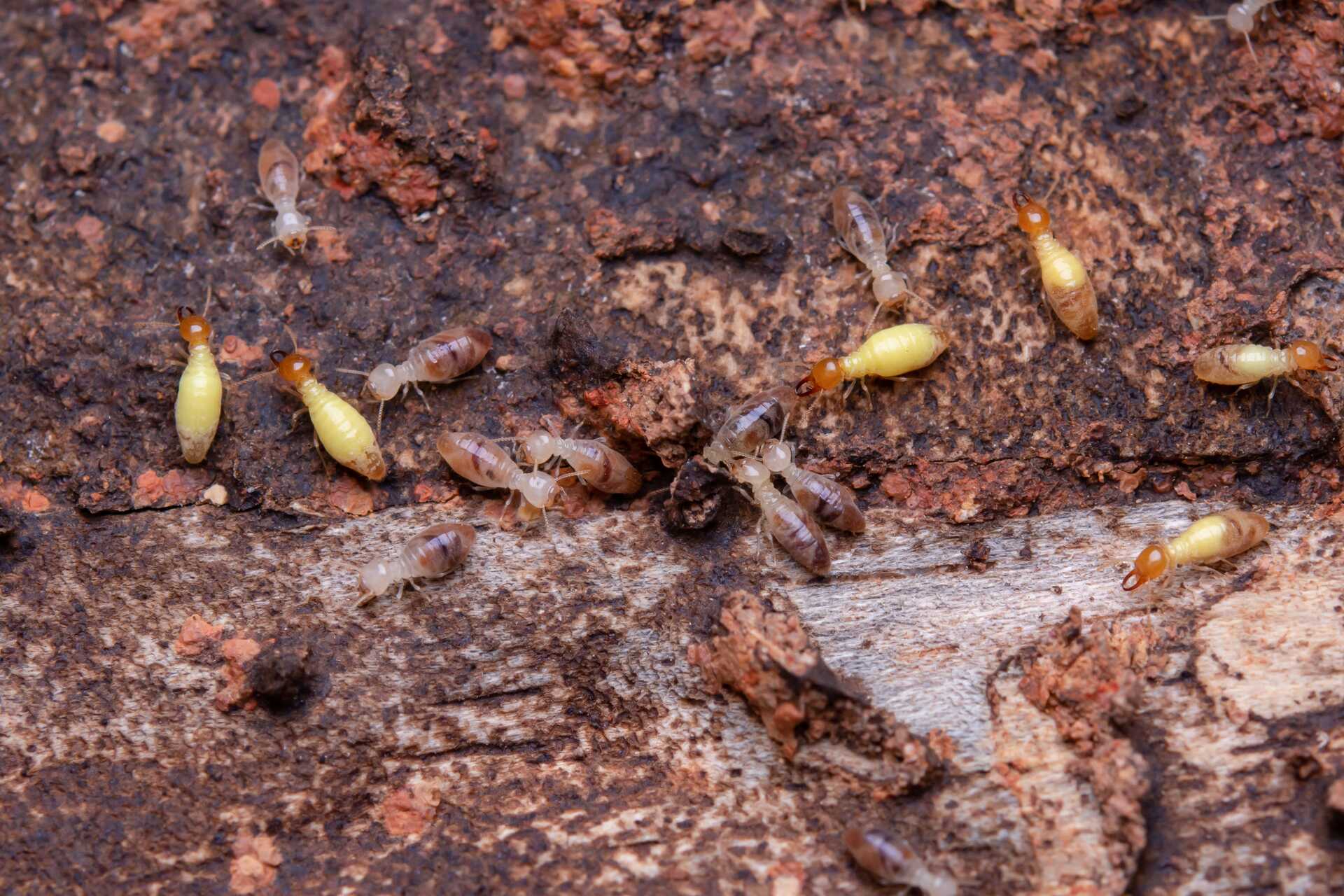
If you own a home long enough, termites will eventually try to find their way in. These insects operate silently, chewing through wood and causing damage that often goes unnoticed for months. Understanding termite attraction causes is the first step toward protecting your biggest investment. The good news? Most of the factors that draw termites to a property are completely within your control.
Understanding What Attracts Termites to a House
Termites are not random invaders. They follow specific environmental cues that lead them straight to vulnerable structures. Moisture, accessible wood, and direct soil contact are the primary drivers. When your home provides all three, you are essentially rolling out the red carpet.
I have seen homeowners shocked to discover an active colony, even in well-maintained homes. Termites do not care how nice your house looks from the outside. They care about what is happening at ground level and behind the siding. Knowing why termites enter homes gives you a practical advantage over these silent destroyers.
Moisture: The Number One Reason Termites Target Your Home
Water is everything to a termite colony. Subterranean termites, the most common species in the United States, need consistent moisture to survive and build mud tubes. Leaky pipes, clogged gutters, faulty air conditioning drainage, and poor grading around your foundation all create the damp conditions termites love.
Crawl spaces deserve special attention. If humidity levels regularly exceed 50%, you are creating ideal termite habitat. Installing a vapor barrier and using a dehumidifier can dramatically reduce this risk.
Why Do Termites Suddenly Appear?
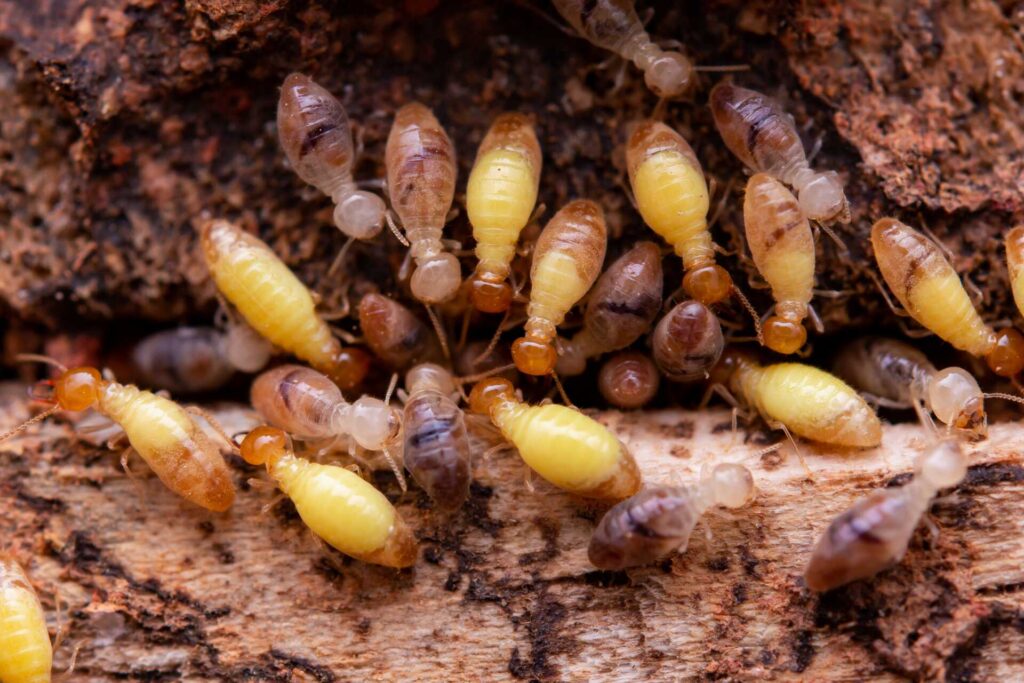
Many homeowners are caught off guard when they spot a swarm of winged termites inside their home. It feels sudden, but the colony has likely been present for years. A colony needs to mature before it produces winged alates. By that point, it may consist of hundreds of thousands of workers feeding on your home.
Swarms typically happen in spring and early summer, triggered by warm temperatures and rainfall. One of the key termite risk factors is simply living in a region with high termite pressure, which includes much of the continental United States.
Wood-to-Soil Contact and Easy Entry Points
When any wooden component of your home directly touches the soil, you have created a highway for subterranean termites. This includes deck posts, porch supports, door frames, and wood siding that extends to ground level. Termites can squeeze through gaps as narrow as 1/32 of an inch.
Cracks in your foundation, gaps around utility pipes, and unsealed joints all serve as entry points. Use concrete footings, metal brackets, or pressure-treated lumber to eliminate wood-to-soil contact. Seal foundation cracks and inspect pipe penetrations regularly.
Cellulose Sources That Draw Termites Closer
Termites feed on cellulose, the organic compound found in wood, paper, cardboard, and plant material. Firewood stacked against your house, tree stumps in the yard, and thick wood mulch beds along the foundation all serve as both food and shelter.
The EPA recommends removing dead wood and cellulose debris from around your property. Store firewood at least 20 feet from the house and elevate it off the ground. Keep mulch at least 15 inches from the foundation and consider alternatives like gravel or rubber mulch.
| Attractant | Why It Draws Termites | Prevention Tip |
|---|---|---|
| Leaky pipes | Creates consistent moisture near the foundation | Repair all plumbing leaks promptly |
| Clogged gutters | Causes water buildup and roof rot | Clean gutters seasonally |
| Firewood against the house | Provides food and a direct path to your home | Store wood 20+ feet away, off the ground |
| Wood mulch near foundation | Retains moisture and offers cellulose | Use gravel or keep mulch 15+ inches away |
| Wood-to-soil contact | Gives termites direct access to structural wood | Use concrete footings or metal brackets |
| Tree stumps and dead trees | Decaying wood is a primary food source | Remove stumps and dead wood from the yard |
How Do I Keep Termites Out of My House?
Prevention comes down to eliminating the conditions termites need. Start with moisture control by directing downspouts away from the foundation and fixing leaks. Remove dead wood, keep firewood far from the house, and use mulch strategically. Seal foundation cracks and eliminate wood-to-soil contact.
Regular professional inspections are one of the most effective termite attraction causes prevention strategies available. An expert can catch early signs of activity before damage becomes severe. I recommend reading Why Annual Pest Inspections Are Worth the Investment for a deeper look at routine inspections. Trimming shrubs and tree branches away from your home also reduces moisture and removes potential bridges termites use.
What Is a Termite’s Worst Enemy?
In nature, ants are the most formidable predator termites face. Several ant species actively raid termite colonies, overpowering them with sheer numbers. This rivalry goes back over 100 million years. Birds, lizards, frogs, and certain fungi also prey on termites, but none match the impact ants have.
That said, relying on natural predators to protect your home is not realistic. In residential settings, ants often ignore nearby termites because easier food sources are available. Professional termite treatments remain the most reliable defense for homeowners dealing with termite risk factors.
What State in the US Has No Termites?
Alaska is the only state in the United States where termites are not found. The cold climate simply does not support their survival. Every other state has some level of termite activity, with southern and southeastern states experiencing the highest pressure due to warmth and humidity.
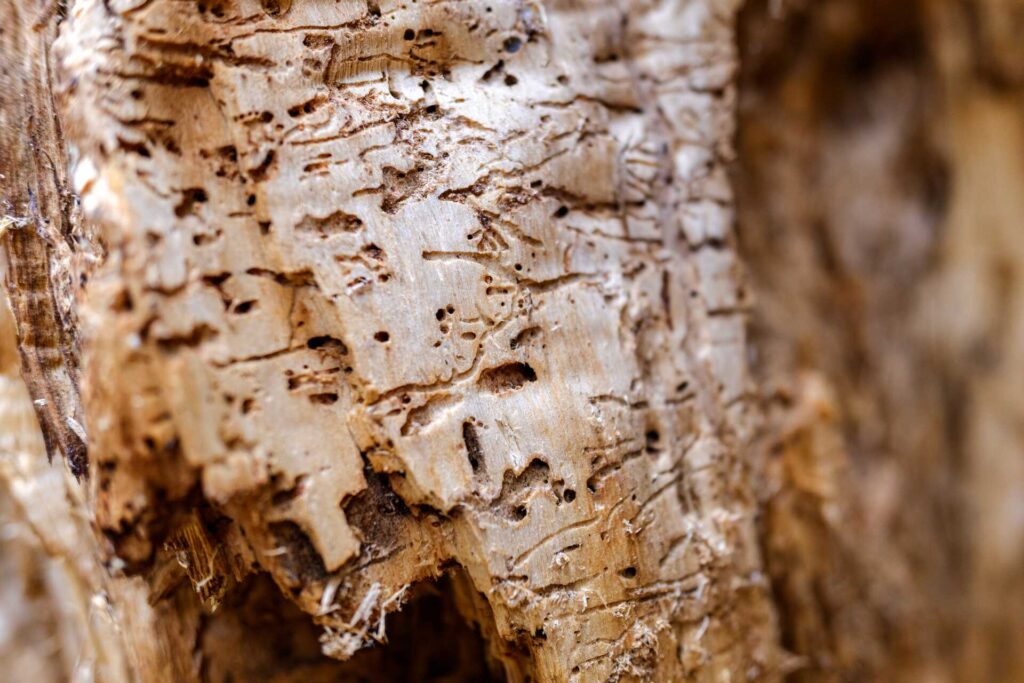
Landscaping Mistakes That Invite Termites
If you live anywhere outside of Alaska, termite prevention should be part of your regular home maintenance. Do not assume colder climates give you a free pass. Heated structures provide the warmth termites need, and soil beneath frost lines stays warm enough for colonies year-round.
Your yard can either protect your home or quietly invite termites to your doorstep. Dense plantings against the foundation trap moisture and reduce airflow. Trees touching the roof drop leaves into gutters and create shaded, damp zones along exterior walls.
Keep a clear perimeter of at least six inches between plantings and your foundation. Prune trees so they do not contact your home. Proper soil grading that slopes away from the house ensures water drains outward rather than pooling.
Protecting Your Home for the Long Term
Termite prevention is not a one-time effort. It requires consistent attention to moisture, wood storage, landscaping, and structural maintenance. Schedule annual inspections with a qualified professional who can assess your home’s specific vulnerabilities.
Understanding why termites enter homes puts you in a stronger position than most homeowners. Stay vigilant about warning signs like mud tubes and hollow-sounding wood, and work with experienced pest control professionals when needed. Your home is worth the effort.