
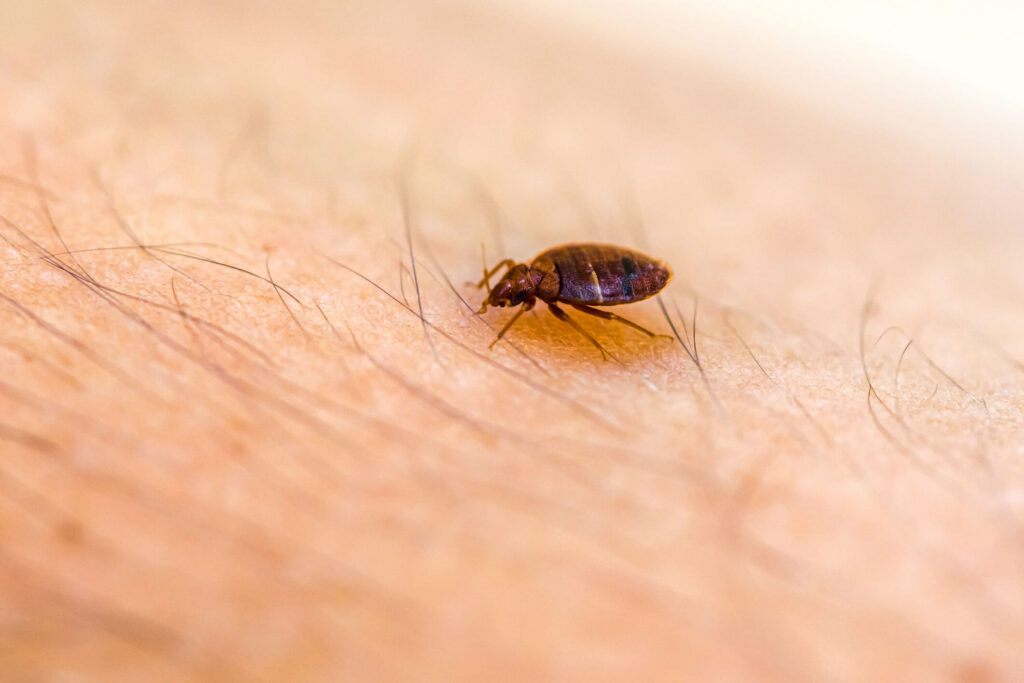
Some pests test your patience. Others test your sanity. If you have ever dealt with a bug problem that refused to go away, you know the frustration. I have seen homeowners spend hundreds on sprays, traps, and foggers only to watch the problem return within weeks. Certain difficult pest infestations are built to survive everything you throw at them. Understanding which bugs fall into that category is the first step toward winning the battle.
Why Some Bug Infestations Are Harder to Eliminate Than Others
Not every pest plays by the same rules. Some reproduce at staggering rates. Others hide in places you would never think to look. A few have evolved resistance to the chemicals designed to kill them. When all three traits combine in a single species, you get an infestation that feels impossible to resolve. That is what makes bed bugs, termites, and German cockroaches the top three hardest bugs to eliminate in residential settings.
The Hardest Bug Infestations to Get Rid Of: Bed Bugs
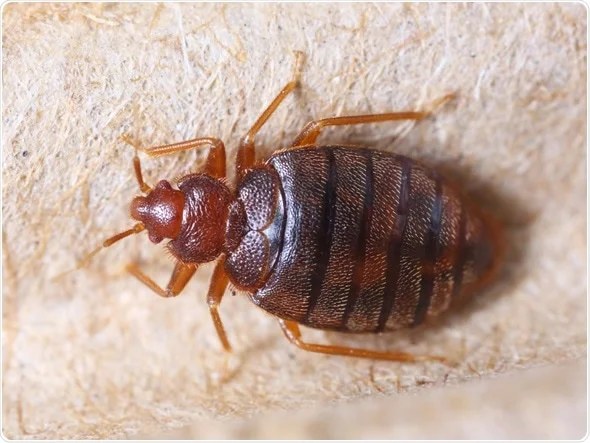
Bed bugs are the pest people dread the most. These tiny, flat insects hitchhike on luggage, clothing, and secondhand furniture. Once they settle into mattress seams, electrical outlets, or baseboards, they are incredibly difficult to find. A single fertilized female can produce hundreds of eggs in her lifetime, turning a small problem into a large one fast.
Modern bed bug populations have developed thicker exoskeletons that repel common insecticides. They carry enzymes that neutralize pesticides before the chemicals can work. They can also survive months without feeding, so starving them out is not realistic. Professional treatment using heat, steam, and targeted products is almost always necessary.
What Is the Most Common Infestation?
The answer depends on your region and climate. In many areas, ants claim the top spot due to sheer numbers and persistence. German cockroaches are extremely prevalent in apartments and urban homes. Bed bugs have surged in recent decades, becoming one of the fastest-growing pest problems nationwide.
Commonality does not always predict difficulty. Ants can often be managed with baits and exclusion. German cockroaches and bed bugs, however, require professional intervention because they adapt so quickly to over-the-counter products. If you are dealing with persistent household pests, identifying the species makes a real difference in choosing the right approach.
The Hardest Bug Infestations to Get Rid Of: Termites
Termites are often called silent destroyers, and the name is well earned. They feed on cellulose in wood, books, and wallpaper, working from the inside out. Most homeowners have no idea they have a problem until significant structural damage has occurred. Colonies can number in the hundreds of thousands, hidden behind walls and beneath floors.
Even if the queen dies, a termite colony can reorganize and rebuild. DIY treatments rarely reach the full extent of an infestation, which is why professional help is critical. If you suspect termites, it is worth reading about whether Can Pest Control Help With Termites? to understand your options. Soil treatments, bait systems, and wood treatments address the colony at its source.
The Hardest Bug Infestations to Get Rid Of: German Cockroaches
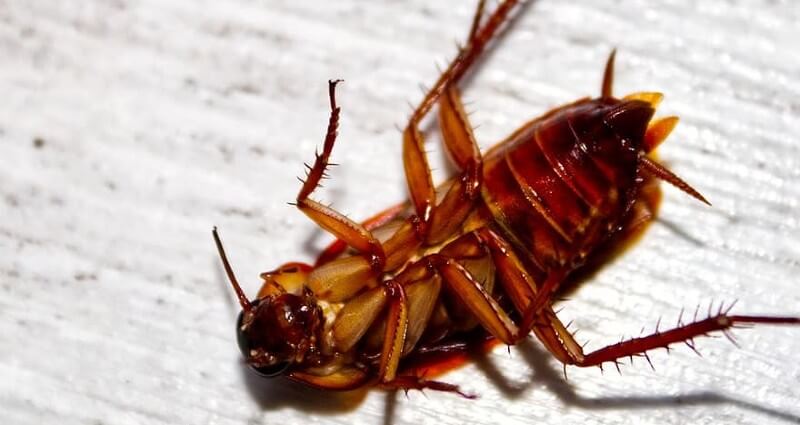
If there is one pest that professionals universally agree is a nightmare, it is the German cockroach. These insects are small, fast, and capable of flattening their bodies to fit into the tiniest cracks. They reproduce at alarming rates, and each new generation can develop resistance to whatever insecticide was used on the last one.
German cockroaches are drawn to warmth, which is why they nest inside appliances like microwaves, ovens, and gaming consoles. Store-bought sprays might kill the ones you see, but they rarely reach the hidden population. Baits with slow-acting insecticides are more effective because roaches carry the poison back to the colony. For serious infestations, a pest management professional is the best path forward.
How Many Bugs Are Considered an Infestation?
There is no universal number that defines an infestation. It depends on the species. A handful of ants near food might not be alarming, but even one or two bed bugs should raise concern. For cockroaches, seeing them during daylight is a strong indicator that the population has outgrown its hiding spaces. Droppings, egg casings, and unusual odors are all warning signs.
Professionals use a concept called an action threshold, the population level at which a pest becomes a genuine threat to health or property. The U.S. Environmental Protection Agency recommends Integrated Pest Management as a framework for responding to these thresholds. If you are noticing regular pest activity or finding evidence in multiple areas, you likely have an infestation that needs attention.
Other Pests That Put Up a Serious Fight
Bed bugs, termites, and German cockroaches are the big three, but they are not the only difficult pest infestations homeowners face. Carpenter ants carve galleries through wood and can be just as hard to locate. Fleas and ticks persist in carpets and pet bedding even after treatment. Rodents are intelligent, cautious around traps, and squeeze through openings as small as a dime.
| Pest | Primary Challenge | Professional Treatment Needed? |
|---|---|---|
| Bed Bugs | Pesticide resistance, rapid reproduction | Almost always |
| Termites | Hidden colonies, structural damage | Yes |
| German Cockroaches | Fast adaptation, tiny hiding spots | Strongly recommended |
| Carpenter Ants | Nests inside wood, large colonies | Recommended |
| Fleas & Ticks | Life cycle persistence, pet reinfestation | Often necessary |
| Rodents | Intelligence, rapid breeding | Recommended |
Why DIY Treatments Often Fall Short
I understand the appeal of handling things yourself. But with the hardest bugs to eliminate, DIY methods usually provide temporary relief at best. Sprays and foggers often scatter pests deeper into walls rather than killing them. Incomplete treatments give survivors time to reproduce and build resistance.
Professional services bring specialized equipment, targeted products, and deep knowledge of pest behavior. They inspect areas homeowners overlook, identify species accurately, and build treatment plans around the pest’s biology. For persistent household pests like bed bugs and German cockroaches, this precision is the difference between a solved problem and a recurring one.
Taking the Right Steps to Protect Your Home
Prevention is always easier than elimination. Keep your home clean, seal cracks around doors and windows, and reduce moisture wherever possible. Inspect secondhand furniture and luggage before bringing them inside. If you have pets, stay consistent with flea and tick prevention year-round.
When prevention is not enough, act quickly. The longer a difficult pest infestation goes untreated, the harder and more expensive it becomes. Early detection and prompt professional intervention give you the best chance of reclaiming your home. Reach out to a qualified pest control provider as soon as you notice the signs.