

Most people file rodents under nuisance: noise in the walls, something in the cereal box. Those are real and they are the least of it. Rats and mice create genuine health risks, cause expensive structural damage and introduce a fire hazard that most homeowners never think about.
That is the case for treating an infestation as something to resolve rather than tolerate, and it is what rodent control is really addressing.
Disease
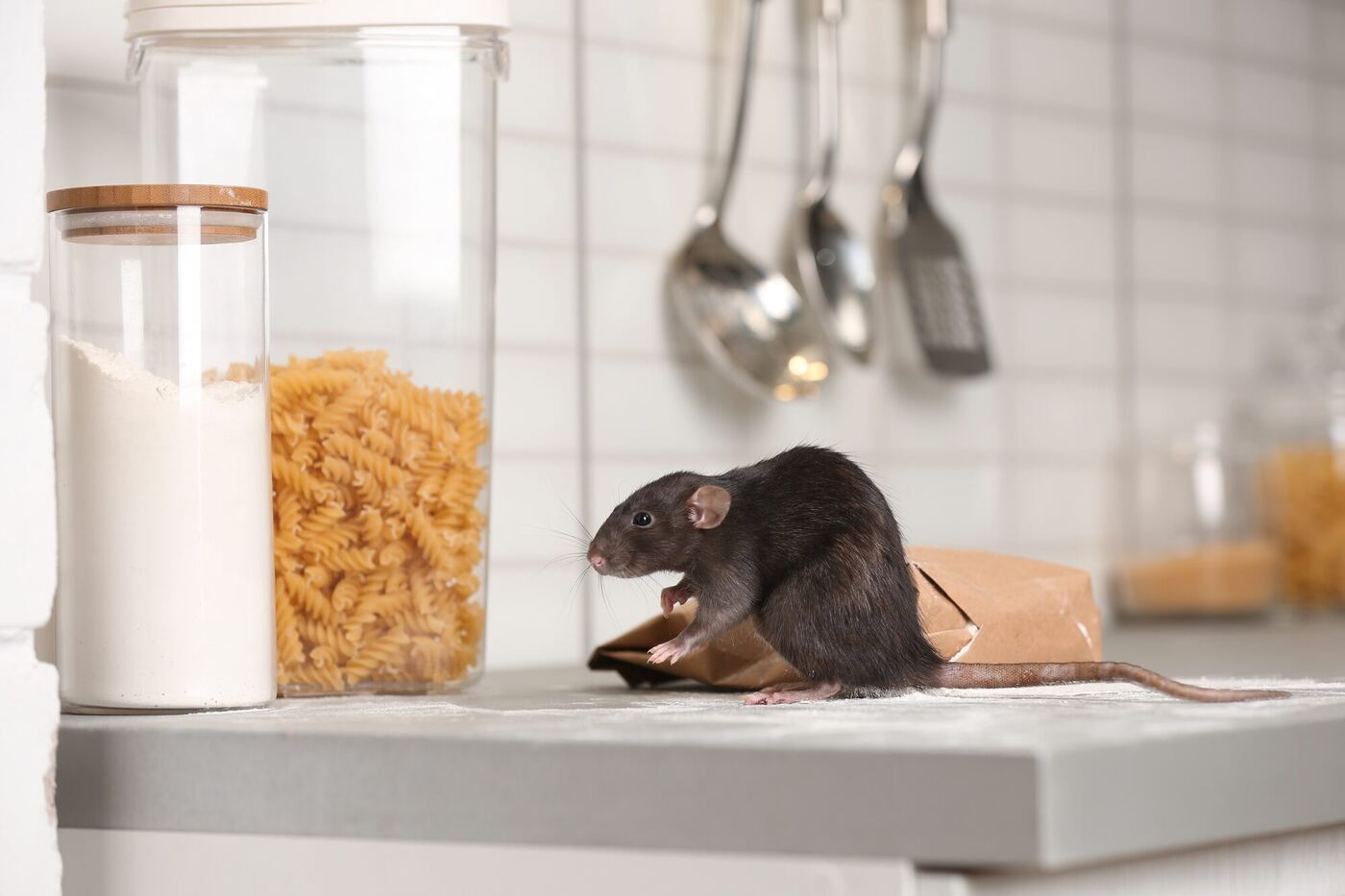
Rodents spread illness differently from biting insects. The route is droppings, urine, saliva and the parasites they carry, which means contamination of surfaces, stored food and the dust in an enclosed space.
Hantavirus is the serious one. In this region it is carried mainly by deer mice and white footed mice, which do get into houses, garages and cabins. It is transmitted by breathing in dust from disturbed droppings or urine, which is exactly what happens when someone sweeps a basement or attic. Cases are rare, and the illness is severe, which is why cleanup method matters so much.
Salmonella moves from droppings onto counters, into cabinets and into stored food.
Leptospirosis spreads through contact with water or soil contaminated by rodent urine, which is relevant in damp basements and around foundations.
Lymphocytic choriomeningitis is carried by house mice and spreads through contact with droppings, urine or nesting material.
Contamination happens through droppings and urine across surfaces where food is prepared.
How to clean up safely
This part is worth knowing regardless of who does the treatment, because the usual instinct makes things worse.
Do not sweep or vacuum droppings. Both put particles into the air, which is the hantavirus route. Instead ventilate the space for half an hour first, wear gloves and a mask, spray the area with disinfectant or a bleach solution and let it sit for five minutes, then wipe up with paper towels and bag the waste. Disinfect the surface afterwards and wash your hands thoroughly.
For a heavy infestation, or droppings in insulation or an enclosed crawl space, this is work worth handing over rather than tackling with a dust mask.
Parasites they bring with them
Rodents arrive carrying their own passengers. Fleas, mites and ticks travel on them and stay behind when the animal dies or moves on, which is why a flea problem sometimes appears right after a rodent problem is resolved. Mice also carry the ticks involved in Lyme disease, and a mouse population around a house raises tick pressure in the yard.
The fire hazard
This is the risk most households have never considered. Rodent incisors grow continuously, so they gnaw constantly to wear them down. Electrical cable is a convenient diameter and texture.
Stripped insulation on wiring inside a wall or attic creates a short circuit risk in a place nobody can see. Gnawed gas lines, particularly flexible connectors behind appliances, are a second and more serious version of the same problem.
Other gnawing damage: HVAC ductwork and insulation, plumbing and irrigation lines, structural timber at door bottoms and sill plates, and vehicle wiring in a garage, which is a common and expensive one.
Rodent teeth never stop growing, so they gnaw constantly, including on wiring.

The structural and insulation damage
Rodents shred insulation for nesting, which reduces its effectiveness and leaves contaminated material in place. Attic insulation is the usual casualty, and the fix is removal and replacement rather than cleaning.
Beyond that: chewed vapor barriers, damaged ductwork, soiled drywall, and gnawed openings that widen over time and let in the next arrivals.
Food loss and contamination
A mouse eats very little but contaminates far more than it eats, leaving droppings and urine across the pantry as it travels. The practical result is that anything in a chewed or opened package has to be thrown out, which in a well stocked kitchen is not a small number. Rodents also contaminate preparation surfaces overnight, which is the part people do not see.
Who is most at risk
The health risks are not spread evenly across a household.
Small children spend time on floors and put hands in their mouths, which is the main exposure route for contaminated surfaces. Anyone with asthma or a respiratory condition is more affected by airborne particles from droppings and nesting material in an enclosed space. Older adults and anyone immunocompromised face more serious outcomes from the infections involved.
Pets are exposed differently. A cat or dog that catches a rodent can pick up parasites from it, and in a house where loose bait has been put down, the risk of secondary poisoning is added on top.
None of that means a mouse in the kitchen is an emergency. It does mean the calculation is different in a house with a baby crawling on the floor than in one without.
Why it does not stay small

Rodent problems scale quickly, and a warm house removes the natural brake.
House mice reach breeding age at around six weeks and produce litters repeatedly through the year once indoors, since the breeding season is governed by temperature and food rather than the calendar. Norway rats are fewer in number but individually larger, more destructive to structure and wiring, and harder to displace once established.
That is why a few droppings in October is a different situation by February, and why waiting to see whether it resolves itself rarely works out.
Mice reach breeding age in about six weeks, and a heated house removes the seasonal limit.
What it costs beyond the treatment
The pest control bill is usually the smaller number, which is the part worth understanding before deciding to wait.
Contaminated attic insulation is removed and replaced rather than cleaned. Gnawed wiring is an electrician’s job, and gnawed vehicle wiring in a garage is a notably expensive one. Damaged ductwork means an HVAC call. Pantry contents go in the trash. None of that is covered by the treatment, and all of it grows with the length of the infestation.
There is a resale dimension too. Evidence of rodent activity turns up during home inspections, including droppings in an attic or crawl space and gnawed structural wood, and it rarely gets priced generously by a buyer.
What to do
The sequence is the same whatever the species: identify what is present, remove the animals, seal the openings they used, then remove the food and water that made the house attractive. How rodents enter your home covers the sealing work, and the dangers of using poison explains why store bought bait is the wrong first move, especially in a house with pets or children.
Stewart Termite & Pest Control has handled Pittsburgh rodent problems since 1987. For an inspection, call 412-822-7610 or request an estimate online.
Frequently Asked Questions
Are mice in the house actually dangerous?
Yes, in three ways: disease spread through droppings, urine and the parasites they carry, gnawing damage to wiring that creates a fire risk, and contamination of food and preparation surfaces.
What diseases do rodents carry?
Hantavirus, salmonella, leptospirosis and lymphocytic choriomeningitis among others, mostly transmitted through droppings, urine or contaminated dust rather than by biting.
How should I clean up mouse droppings?
Never sweep or vacuum them, which puts particles into the air. Ventilate the room, wear gloves and a mask, spray with disinfectant, let it sit five minutes, wipe with paper towels and bag the waste.
Can rodents cause a house fire?
They can. Rodents gnaw constantly and electrical cable is a frequent target. Stripped wiring inside a wall or attic is a short circuit risk in a place nobody can inspect.
Do mice bring fleas and ticks?
Yes. Fleas, mites and ticks travel on rodents and remain in the building afterwards, which is why a flea problem sometimes appears just as a rodent problem is being resolved.
Will a small mouse problem go away on its own?
Rarely. Mice reach breeding age in about six weeks and breed year round in a heated building, so a small fall problem is usually a larger one by late winter.