
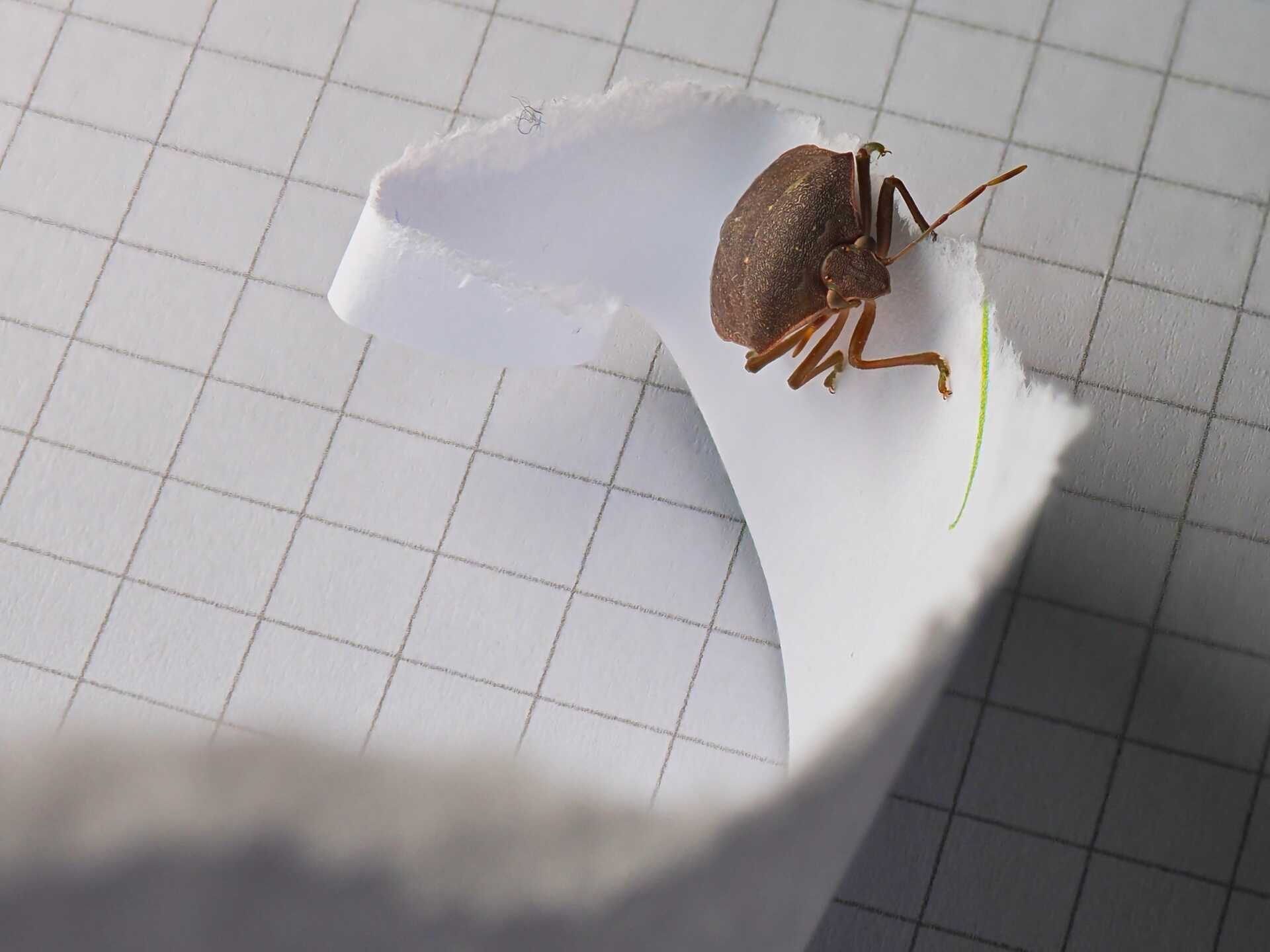
When pests invade your Pittsburgh home, some are relatively easy to eliminate with the right treatment. Others, however, are notoriously difficult to eradicate completely. Understanding which pests present the biggest challenges can help you recognize when it’s time to call in professional help. Based on decades of pest control experience, three pests consistently top the list as the most difficult to eliminate: bed bugs, termites, and cockroaches. Here’s why these pests are so challenging and what you need to know about dealing with them.
The Top 3 Hardest Pests to Eliminate
1. Bed Bugs: The Ultimate Hide-and-Seek Champions
Bed bugs have earned their reputation as one of the most challenging pests to eliminate. These tiny, blood-sucking parasites are masters of survival, and their unique characteristics make them incredibly difficult to eradicate completely.
Why bed bugs are so hard to eliminate:
They hide everywhere: Bed bugs have flat bodies that allow them to squeeze into spaces as thin as a credit card. They don’t just live in mattresses—they hide in baseboards, electrical outlets, behind wallpaper, inside furniture seams, and even in the tiny cracks of your headboard. Finding every single hiding spot is nearly impossible without professional equipment and expertise.
Rapid reproduction: A single female bed bug can lay hundreds of eggs in her lifetime, and these eggs hatch in just 6-10 days. This means even if you miss a few bugs during treatment, the infestation can quickly rebound. Each bug must be eliminated to truly solve the problem.
Pesticide resistance: Modern bed bugs have developed resistance to many common pesticides. Compared to bed bugs from 20 years ago, today’s bed bugs have thicker exoskeletons that repel chemicals, higher levels of enzymes that break down pesticides, and even symbiotic relationships with bacteria that help them survive treatments.
They can survive without feeding: Bed bugs can live for months without a blood meal, which means they can outlast many DIY treatment attempts. You might think they’re gone, only to have them reappear weeks or months later.
Signs you have bed bugs:
- Itchy, red bites on your skin (often in a line or cluster)
- Small blood stains on your sheets or pillowcases
- Tiny dark spots (fecal matter) on your mattress or furniture
- A sweet, musty odor in the bedroom
Professional treatment for bed bugs typically involves multiple visits and a combination of methods, including heat treatment, steam treatment, and targeted insecticide application. Treatment can take 2-3 weeks for moderate infestations and even longer for severe cases.
2. Termites: The Silent Destroyers
Termites are often considered the single most difficult pest to eliminate from any home or building. These wood-eating insects cause an estimated $5 billion in damage to U.S. homes annually, and homeowners rarely know they have a problem until significant damage has occurred.
Why termites are so hard to eliminate:
They live hidden underground: Subterranean termites, the most common type in Pittsburgh, build their colonies underground and create mud tubes to access the wood in your home. They work inside your walls, floor joists, and support beams, completely out of sight. By the time you notice visible damage, the colony has likely been feeding on your home for years.
Massive colonies: A single termite colony can contain thousands to millions of termites. The queen termite can live for 25 years and produce up to 30,000 eggs per day. Even if you eliminate part of the colony, the remaining termites can rebuild and continue causing damage.
They can survive without a queen: Unlike many insects, termite colonies can actually restart even if the queen dies. Young reproductive termites wait in the wings ready to take over, making complete eradication essential.
Constant activity: Termites are active 24/7, continuously eating away at the wood in your home. They don’t hibernate in winter, which means the damage never stops until they’re completely eliminated.
Signs of termite activity:
- Mud tubes along your foundation or basement walls
- Hollow-sounding wood when tapped
- Discarded wings near windows or doors
- Small pinholes in drywall
- Buckling or warped floors
Professional termite treatment requires specialized equipment and techniques. The most effective method is often a comprehensive approach that includes baiting systems, liquid termitants applied to the soil, and direct wood treatments. Complete elimination typically takes several months of monitoring and treatment.
3. Cockroaches: The Ultimate Survivors
Cockroaches are legendary for their resilience and adaptability. These pests can survive nearly anything, leading to the famous joke that they’d survive a nuclear apocalypse. When it comes to home infestations, cockroaches present unique challenges that make them extremely difficult to eliminate completely.
Why cockroaches are so hard to eliminate:
Rapid reproduction: Female cockroaches can produce 300-400 eggs in their lifetime. Depending on the species, they either hide egg cases (oothecae) in protected areas or carry them until the eggs hatch. These egg cases are extremely resistant to pesticides, meaning even successful adult treatments won’t affect the next generation.
They hide in impossible places: Cockroaches are nocturnal and spend 75% of their time hiding in dark, tight spaces. They can flatten their bodies to squeeze through cracks as thin as a quarter’s edge. Common hiding spots include behind appliances, inside wall voids, under sinks, and in the gaps around cabinets.
Pesticide resistance: Cockroaches have developed resistance to many traditional pest control products. Modern German cockroaches, the most common species in Pittsburgh homes, are particularly resistant to over-the-counter pesticides that worked on previous generations.
They’re incredibly adaptable: Cockroaches can survive on almost anything—book bindings, soap, toothpaste, even each other. They can live for a month without food and a week without water. This adaptability makes starving them out nearly impossible.
You rarely see the full infestation: If you spot a cockroach during the day, it’s a major red flag. Cockroaches are strongly nocturnal, so seeing one in daylight typically means the infestation has grown so large that some roaches are being forced out of their hiding places.
Signs of cockroach infestation:
- Seeing a roach during daylight hours
- Dark droppings that look like coffee grounds or black pepper
- A musty, oily odor
- Egg casings (small, brown, capsule-shaped)
- Smear marks along walls where they travel
Professional cockroach control requires strategic baiting, targeted insecticide application in all hiding spots, and follow-up treatments to catch newly hatched roaches. Complete elimination typically takes 2-4 weeks with professional treatment.
Why These Three Pests Are So Difficult
While each of these pests presents unique challenges, they share several characteristics that make them particularly hard to eliminate:
Hidden lifestyles: All three pests are experts at hiding. They live in walls, under floors, inside furniture, and in other areas that are difficult or impossible to access without professional equipment.
Rapid reproduction: Bed bugs, termites, and cockroaches all reproduce at astonishing rates. Even a small number of surviving pests can quickly repopulate and restart an infestation.
Resistance to treatments: These pests have developed varying degrees of resistance to common pesticides, making over-the-counter products largely ineffective.
Nocturnal behavior: Bed bugs and cockroaches are primarily active at night, making them hard to detect until the infestation is well-established.
Other Challenging Pests
While bed bugs, termites, and cockroaches top the list, several other pests present significant elimination challenges:
Carpenter ants: These wood-destroying insects burrow through damp wood to create their nests. While they don’t eat wood like termites, they can still cause significant structural damage. They’re difficult to eliminate because their nests can extend through multiple areas of your home.
Rodents: Mice and rats are intelligent, cautious creatures that can be surprisingly difficult to catch. They can chew through almost anything, reproduce quickly, and are smart enough to avoid traps. Complete elimination requires a combination of trapping, exclusion work, and exterior baiting.
Fleas: Once fleas establish themselves in your home, they’re notoriously difficult to eliminate. Their eggs can remain dormant for months, and treatments must be repeated multiple times to catch all life stages.
Why DIY Methods Usually Fail
Many Pittsburgh homeowners attempt to tackle these difficult pests with store-bought products, only to find the infestation returns within weeks. Here’s why DIY methods typically fall short:
You can’t reach all the hiding spots: Without professional equipment and training, you’ll miss hidden nests, egg cases, and individual pests tucked away in wall voids and other inaccessible areas.
Over-the-counter products are weaker: Professional-grade pesticides and treatments are significantly more effective than consumer products. Pests have also developed resistance to many common retail pesticides.
You’re treating symptoms, not causes: Spraying visible bugs might kill the ones you see, but it doesn’t address the hidden colony that’s producing more pests every day.
Timing is critical: Effective pest elimination requires treating at specific points in the pest’s life cycle. Professionals know exactly when and how to apply treatments for maximum effectiveness.
One treatment isn’t enough: Eliminating these difficult pests requires a comprehensive treatment plan with multiple visits to catch newly hatched pests and ensure complete eradication.
When to Call Professional Pest Control
If you’re dealing with bed bugs, termites, or cockroaches in your Pittsburgh home, professional pest control isn’t just recommended—it’s essential. Here are signs you need expert help:
- You’ve tried DIY methods and the pests keep coming back
- You’re seeing pests during daylight hours
- You’ve discovered evidence of structural damage
- The infestation has spread to multiple rooms
- You’re experiencing bites or health issues from pests
At Stewart Termite & Pest Control, we have nearly 30 years of experience eliminating even the toughest pest infestations in Pittsburgh homes. Our technicians are trained in the latest treatment methods and use professional-grade products that aren’t available to consumers. We don’t just treat the pests you see—we identify and eliminate the hidden colonies causing your problem.
Why Hardest-to-Eliminate Pests Require Professional Pest Control
Bed bugs, termites, and cockroaches earn their reputation as the hardest pests to eliminate. Their ability to hide, reproduce quickly, resist treatments, and survive harsh conditions makes them formidable opponents. While minor pest problems can sometimes be handled with DIY methods, these three pests require professional expertise, specialized equipment, and comprehensive treatment plans.
Don’t let a difficult pest infestation take over your home. If you’re dealing with bed bugs, termites, cockroaches, or any other pest problem in Pittsburgh, contact Stewart Termite & Pest Control at 412-822-7610. Our experienced team will inspect your home, identify the full extent of the infestation, and create a customized treatment plan to eliminate these pests for good.