
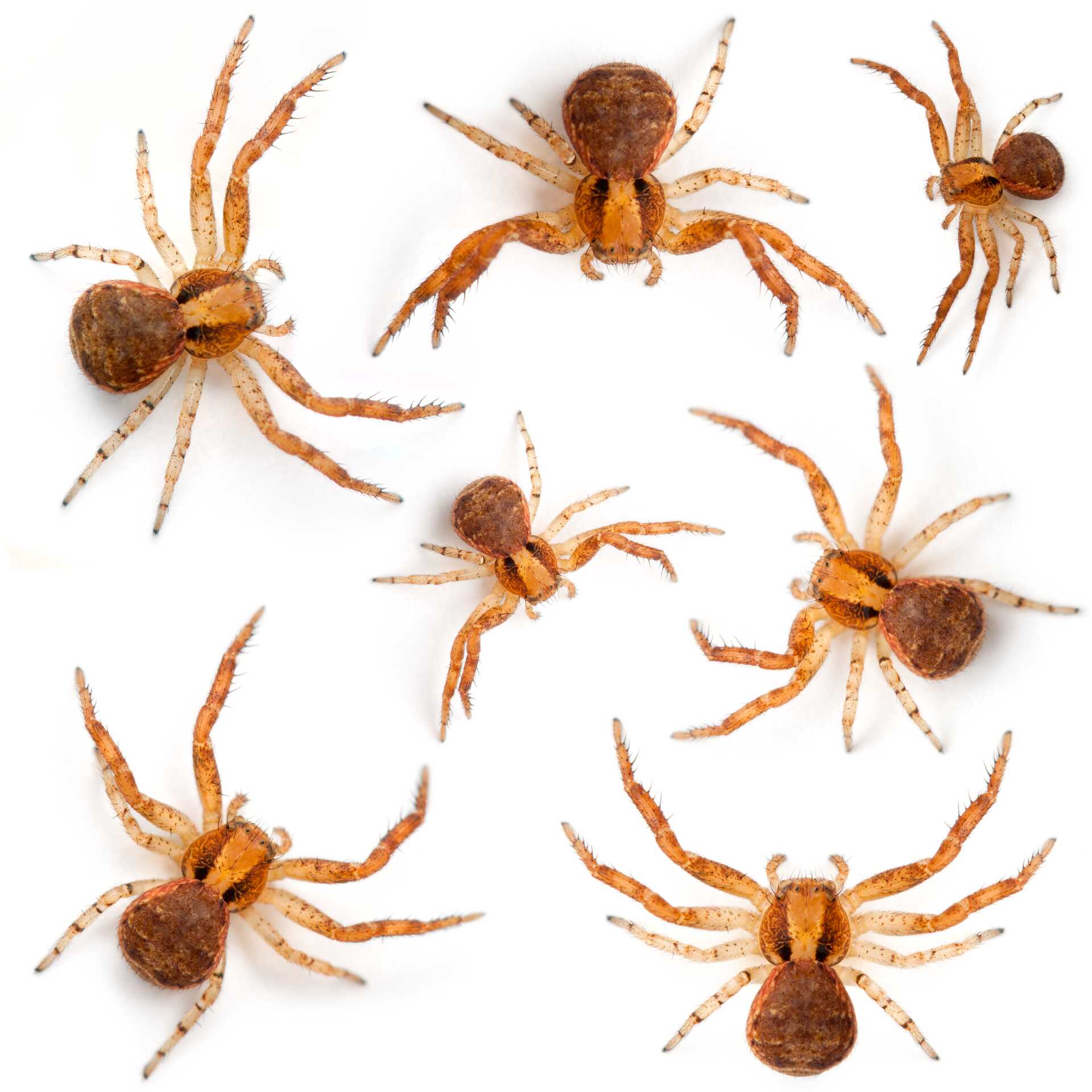
As Pittsburgh’s temperatures drop in fall, many homeowners notice a sudden increase in spider sightings inside their homes. You might find them in corners, basements, bathrooms, or even crawling across your living room floor. This seasonal surge isn’t your imagination, there are specific reasons why fall brings more visible spider activity indoors.
Understanding why this happens can help you address the problem and reduce unwanted spider encounters.
Mating Season Drives Males Indoors
Fall is mating season for many spider species. Male spiders, which typically stay hidden, become active searching for females to mate with. This search brings them out of their usual hiding spots and into more visible areas of your home.
Male spiders are often larger and more noticeable than females, so when they start wandering in search of mates, homeowners suddenly see spiders they didn’t notice before. The spiders aren’t necessarily invading, they were already in your home but hidden. Mating season makes them visible.
This increased movement explains why you might see the same spider species multiple times in different locations. They’re traveling through your home looking for potential mates.
Spiders Follow Their Food Sources
As outdoor temperatures drop, many insects seek shelter inside homes. Flies, mosquitoes, ants, and other spider prey move indoors in fall, and spiders follow them.
Your home becomes a buffet for spiders in fall because it’s full of the insects they eat. Areas with higher insect activity attract more spiders. If you notice flies around windows or other insects in certain rooms, spiders will congregate in those areas to hunt.
This is why reducing other pest problems helps control spider populations. Eliminating the insects spiders feed on makes your home less attractive to them.
Temperature Changes Push Spiders Inside
While some spider species can tolerate cold, many seek warmer environments as temperatures drop. Your heated home offers protection from freezing temperatures and harsh weather.
Spiders enter through foundation cracks, gaps around windows and doors, openings around utility lines, damaged screens, and any other small entry points. As outside temperatures become uncomfortable, spiders actively seek indoor shelter.
Pittsburgh’s variable fall weather, with warm days followed by cold nights, triggers spider migration indoors. The temperature swings signal that winter is approaching, prompting spiders to find protected overwintering sites.
House Spiders Reach Maturity
Common house spiders that hatched in spring reach maturity in fall. These spiders, which have been quietly growing in wall voids and other hidden spaces, emerge as adults looking for mates and food.
The timing of their maturation means fall brings a sudden increase in visible adult spiders even though spider populations haven’t actually grown recently. The spiders were there all along, just smaller and less noticeable.
Outdoor Spider Populations Peak
Spider populations outdoors reach their peak in late summer and early fall after a full season of reproduction and growth. This means there are simply more spiders around your property than at other times of year.
With more spiders present outdoors, more attempt to enter your home seeking food, mates, or shelter. Even if the percentage of spiders entering remains constant, higher outdoor populations result in more indoor sightings.
Common Fall Spiders in Pittsburgh Homes
Several spider species are particularly common indoors during Pittsburgh’s fall months.
Wolf Spiders
Large, fast-moving spiders that hunt actively rather than building webs. They’re often found on floors and walls, particularly in basements and garages. Wolf spiders don’t build webs, so seeing them means they’re hunting.
House Spiders
Small to medium brown spiders that build messy cobwebs in corners, behind furniture, and in undisturbed areas. They’re the most common indoor spider and largely harmless.
Cellar Spiders
Also called daddy longlegs, these spiders have extremely long, thin legs and build tangled webs in basements, crawl spaces, and garages. They’re beneficial because they eat other spiders.
Jumping Spiders
Small, compact spiders with large front eyes. They hunt during the day and are often found on windowsills and walls. While they can look intimidating up close, they’re harmless and effective pest controllers.
Why Spider Sightings Seem Sudden
The apparent sudden appearance of spiders in fall is actually the result of gradual increases in population and activity becoming suddenly visible. Spiders have been in and around your home all year, but fall conditions make you notice them.
Increased movement during mating season, larger mature spiders being more visible, spiders moving into living spaces from hidden areas, and people spending more time indoors as weather cools all contribute to the perception that spider problems appear overnight in fall.
Are Fall Spiders Dangerous?
The vast majority of spiders found in Pittsburgh homes are harmless. They don’t seek out humans, rarely bite even when handled, and actually provide benefits by eating other insects.
The two medically significant spiders in the U.S., black widows and brown recluses, are extremely rare in Pittsburgh. Most spider bites result from accidentally disturbing a spider, and reactions are typically minor, causing only local swelling and irritation.
That said, many people are uncomfortable with spiders in their living spaces regardless of whether they’re dangerous. Reducing spider populations is a reasonable goal for homeowner comfort.
How to Reduce Fall Spider Activity
You can’t eliminate spiders entirely, but you can reduce their presence.
Seal entry points by filling foundation cracks, installing door sweeps, replacing damaged weatherstripping, and sealing gaps around utilities.
Reduce outdoor lighting near entry points. Lights attract insects, which attract spiders. Use yellow bulbs that are less attractive to insects or move lights away from doors and windows.
Remove clutter that provides hiding spots. Organize storage areas, eliminate cardboard boxes, and reduce items stored on floors in basements and garages.
Vacuum regularly to remove spiders, webs, and egg sacs. Pay attention to corners, behind furniture, and other areas where spiders build webs.
Address moisture problems. Many spiders prefer damp environments, so fixing leaks and using dehumidifiers makes your home less attractive.
Control other insect populations. Reducing spider prey makes your home less appealing to hunting spiders.
When to Call Professional Help
If you’re seeing numerous spiders daily, finding them in living spaces rather than just basements, noticing many large spiders, or simply uncomfortable with the level of spider activity, professional pest control can help.
Professional treatments create barriers around your home’s exterior that prevent spiders from entering. We also treat indoor areas where spiders hide and eliminate the other insects that serve as spider food.
At Stewart Termite & Pest Control, we understand Pittsburgh’s seasonal pest patterns, including fall spider activity. Our treatments reduce spider populations both inside and around your home, addressing the root causes that attract spiders in the first place.
If fall spider activity in your Pittsburgh home has you concerned, call us at 412-822-7610. We’ll inspect your property, identify what’s attracting spiders, and implement treatments that reduce their presence and prevent them from entering your living spaces