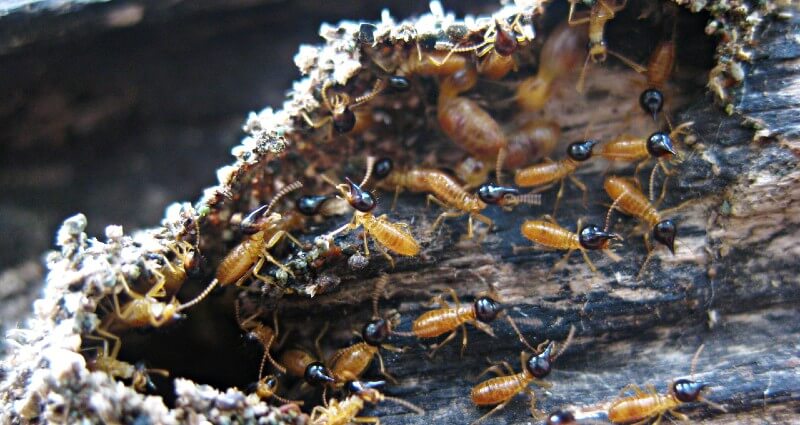
Termites are among the most pervasive and damaging pests in the world, and they are found in nearly every region of the United States. Termites nest primarily outside deep in the ground and forage to feed on structures unseen, though they may consume boxes, drywall coverings, and other paper material. A termite infestation inside walls or in floors can be especially damaging to your home.
Our Unique Approach To Termite Inspection & Treatment Service
Stewart Termite & Pest Control has specialized training and decades of experience dealing with termites in Pittsburgh, PA, and undergo specific protocols to ensure the total and complete extermination of termites invading your home. Stewart Termite & Pest Control performs a comprehensive inspection to locate all the areas in your home that are being affected by termites, followed by precision baiting, a proven method to exterminate the entire colony of termites, as well as close monitoring to guarantee the full removal of termites.
1. TERMITE INSPECTION
Our thorough termite inspections are performed by one of our specialists who has advanced and ongoing training to keep sharp on revolutionized modern techniques. With years of experience in the field and remarkable skills to perform a detailed inspection; they can gather the evidence that shows where they were and where they are. After meticulously going over your Pittsburgh, PA home, our experts will chart where the termites are throughout your home. Knowing where the termites can better coordinate a plan of attack to ensure effective treatments.
2. TERMITE CONSULTATION & CUSTOM TREATMENT PLAN
Before choosing the treatment plan, Stewart Termite & Pest Control will include a consultation service where you can get answers to all your questions. We will happily explain the inspection and the different treatment options available at that time we will design a custom treatment program that is best for you. During the services, we will continue to consult on progress.
If you have termites, or suspect termites might be present in your Pittsburgh, Pennsylvania home, give us a call today to learn more and to schedule an appointment with an expert termite exterminator.
Why Choose Stewart Termite & Pest Control
We’re passionate about helping people just like you get rid of unwanted pest problems. As such, we are proud to be the only pest control company in Pittsburgh, PA promising excellence in value, service, and trust.
Value
After your pest inspection, we’ll provide you with a quote that makes sense for your budget and unique needs.
Service
We’re not happy unless you are. So if you’re not satisfied with your most recent service, we’ll make it right.
Trust
We know you are putting a lot of trust in our hands. So we promise to treat you and your home with respect.
Yes! Termite Inspections are 100% FREE for homeowners. During this time, we will check for termites and conditions that are conducive to their existence. To schedule your termite inspection, call 412-822-7610 today!
If you have a termite problem, you need to act fast! These pests cause an estimated $5 billion in damages each year. So please give us a call at 412-822-7610! We’ll do our best to treat your home within 24-48 hours.
Yes! We guarantee our liquid treatment and bait stations for one year. This includes an inspection, report, and re-treatment if any termites are found.
Stewart Termite & Pest Control will get to the termites before they get to you! Our termite treatment creates a protective barrier around your home, plus we check your property every year for termite activity. If we discover termites during this time, we’ll re-treat your home at no cost to you! This truly is the best way to protect your home from these pests.
Absolutely! Termites cause an estimated $5 billion in property damage and repairs every year across the United States. So if your home isn’t protected with a termite treatment like ours, your home is susceptible to termite damage which may go unnoticed until it’s too late! So please give us a call at 412-822-7610 to schedule your termite inspection.
Save 20% on Your Annual Pest Control!
Switch to an Annual Pest Control Plan and get 20% off when you purchase your Annual plan in advance.
Fantastic work! He came super fast, worked with my schedule, took him 15 minutes, and got rid of the yellow jackets that made the arch of the kitchen door their home. The best part is that it was so so affordable, and had a guarantee in case we needed additional time. It couldn’t be any better!– Pat P. in Pittsburgh, PA
Fantastic company! My family has used them for the last five years for a variety of pest-related issues at our house in the South Hills of Pittsburgh, and Stewart always had the lowest prices and best service. We will be using them again when we move into our new home and recommending them far and wide. A++!– Dave K. in Pittsburgh, PA
I hired Greg to deal with a ground yellow jacket nest. He came when he said he would, was very professional, and dealt with the nest quickly and effectively. He’ll definitely be at the top of my list the next time I have any sort of yellow jacket or other pest issues. Thanks again!– Tell V. in Pittsburgh, PA
termites, commercial pest control, extermination rats, central extermination, pest protect, extermination termites, fumigation rat, infestation rats, mice, york pest control, pest management, pests, pest control services, pest, pest control, insecticide thrips, a1 extermination, best termites, pest and termites, terminix, termite protection plan, termite inspection, termite control, subterranean termite, termite infestation, termite treatment, termite control services, termite, pest control plan, termite colony, treatment, termite swarmers, termite treatment cost, termite damage, pest control company
Frequently Asked Questions
How much is termite control service?
The cost of termite control services varies based on the extent of the infestation and the treatment required. For a precise quote, it's best to schedule a thorough inspection with Stewart Termite & Pest Control.
What is termite control?
Termite control refers to the methods and practices used to prevent, inspect, and eliminate termite infestations, protecting structures from damage. It includes thorough inspections, targeted treatments, and ongoing monitoring to ensure long-term protection against these destructive pests.
How much should termite control cost?
The cost of termite control can vary based on factors such as the severity of the infestation, the size of the property, and the treatment methods used. On average, homeowners can expect to pay between $300 and $2,500 for effective termite control services.
How much does termite control cost?
The cost of termite control varies based on factors such as the extent of the infestation, the treatment method used, and the size of the property. For an accurate estimate, it's best to schedule a professional inspection with Stewart Termite & Pest Control.
How to control termite in house?
Controlling termites in your house involves regular inspections, prompt treatment, and preventive measures. Engage a professional service like Stewart Termite & Pest Control for thorough assessments and customized treatment plans to effectively eliminate and prevent termite infestations.
How to control termite at home?
Controlling termites at home involves regular inspections, eliminating moisture sources, sealing entry points, and using bait systems or chemical treatments. For effective results, consider consulting professionals like Stewart Termite & Pest Control for tailored solutions.
What factors influence termite control pricing?
The factors that influence termite control pricing include the extent of the infestation, the type of treatment required, the size of the property, and any necessary follow-up services.
How effective is termite control treatment?
The effectiveness of termite control treatment is significant when applied correctly. Professional treatments can eliminate existing infestations and provide long-term protection, ensuring your property remains safe from future termite damage.
What are signs of termite infestation?
The signs of termite infestation include mud tubes, hollow-sounding wood, discarded wings, and frass (termite droppings). If you notice any of these indicators, it's crucial to contact a pest control professional promptly.
How long does termite control last?
The duration of termite control effectiveness varies based on the treatment method used. Generally, professional treatments can last from one to five years, but ongoing inspections and preventive measures are recommended for long-term protection.
What methods are used for termite control?
The methods used for termite control include thorough inspections, targeted treatments with liquid pesticides, baiting systems, and preventive measures such as moisture control and regular monitoring to ensure long-term protection against infestations.
Is termite control safe for pets?
Termite control safety for pets is a common concern. Our treatments are designed to be pet-friendly, ensuring that your furry companions remain safe during and after the process when following our guidelines.
How often should termite inspections occur?
Termite inspections should occur at least once a year. However, if you live in an area prone to termite activity or have had previous infestations, more frequent inspections every six months are recommended to ensure your home remains protected.
What is included in termite control services?
Termite control services include comprehensive inspections, targeted treatment plans, and preventive measures to eliminate existing infestations and protect your property from future damage. Our approach ensures thorough assessments and ongoing consultations for effective long-term solutions.
Can I perform termite control myself?
Performing termite control yourself is possible, but it's often not recommended. Professional pest control services like Stewart Termite & Pest Control have the expertise and tools necessary to effectively identify and eliminate infestations, ensuring long-term prevention.
What are the best termite prevention strategies?
The best termite prevention strategies include regular inspections, maintaining a dry environment, sealing cracks and crevices, removing wood-to-soil contact, and using treated wood or barriers. Implementing these measures can significantly reduce the risk of termite infestations.
How quickly can termite control be scheduled?
Termite control can be scheduled promptly, often within 24 to 48 hours of your initial contact with us. Our team is dedicated to addressing your pest issues as quickly as possible to prevent further damage.
What are the risks of untreated termites?
The risks of untreated termites include significant structural damage to your home, leading to costly repairs, compromised safety, and decreased property value. Early intervention is crucial to prevent these severe consequences.
How do I choose a termite control service?
Choosing a termite control service involves evaluating their experience, treatment methods, and customer reviews. Look for companies that offer thorough inspections, customized treatment plans, and satisfaction guarantees to ensure effective pest management.
What should I expect during termite treatment?
During termite treatment, you can expect a thorough inspection of your property, followed by the application of targeted treatment solutions. Our trained technicians will explain each step, ensuring you understand the process and any necessary follow-up care.
Are there eco-friendly termite control options?
Eco-friendly termite control options are available and include treatments that utilize natural substances and methods to effectively manage termite infestations without harming the environment. Stewart Termite & Pest Control offers these sustainable solutions to protect your home and the ecosystem.
How do weather conditions affect termite activity?
Weather conditions significantly influence termite activity. Warmer temperatures and increased humidity create ideal environments for termites, leading to heightened activity and potential infestations, especially during spring and summer months.
What is the warranty on termite control services?
The warranty on termite control services includes a guarantee against re-infestation for a specified period, typically ranging from one to five years, depending on the treatment plan chosen. This ensures your home remains protected after our services.
How do I prepare for termite treatment?
Preparing for termite treatment involves clearing the area around your home, including removing furniture, plants, and debris from the treatment zone. Ensure easy access for our technicians to effectively perform the treatment.
What are the costs of annual termite inspections?
The costs of annual termite inspections vary based on property size and location. Typically, prices range from $100 to $300, depending on the thoroughness of the inspection and any additional services included.
How do I identify termite damage in my home?
Identifying termite damage in your home involves looking for signs such as hollow-sounding wood, mud tubes on walls, and discarded wings near windows or doors. Regular inspections can help catch infestations early.
What is the average lifespan of termites?
The average lifespan of termites varies by species, but generally, worker termites live for about 1-2 years, while queen termites can live up to 30 years or more, depending on their environment and conditions.
How can I prevent termites in my garden?
Preventing termites in your garden involves several key practices. Keep mulch and wood debris away from your plants, ensure proper drainage, and regularly inspect for signs of infestation to maintain a healthy, termite-resistant environment.
What are the common types of termites?
The common types of termites include Subterranean, Drywood, and Dampwood termites. Subterranean termites are the most destructive, living underground; Drywood termites infest wood directly; and Dampwood termites thrive in moist, decaying wood.
How do termites enter a home?
Termites enter a home through various entry points, such as cracks in the foundation, gaps around windows and doors, and through wood that is in direct contact with the soil.
termite control pittsburgh, termite treatment pittsburgh, termite inspection pittsburgh, termite exterminators, pest control pittsburgh, remove termites pennsylvania
termites, commercial pest control, extermination rats, central extermination, pest protect, extermination termites, fumigation rat, infestation rats, mice, york pest control, pest management, pests, pest control services, pest, pest control, insecticide thrips, a1 extermination, best termites, pest and termites, terminix, termite protection plan, termite inspection, termite control, subterranean termite, termite infestation, termite treatment, termite control services, termite, pest control plan, termite colony, treatment, termite swarmers, termite treatment cost, termite damage, pest control company
Frequently Asked Questions
How much is termite control service?
The cost of termite control services varies based on the extent of the infestation and the treatment required. For a precise quote, it's best to schedule a thorough inspection with Stewart Termite & Pest Control.
What is termite control?
Termite control refers to the methods and practices used to prevent, inspect, and eliminate termite infestations, protecting structures from damage. It includes thorough inspections, targeted treatments, and ongoing monitoring to ensure long-term protection against these destructive pests.
How much should termite control cost?
The cost of termite control can vary based on factors such as the severity of the infestation, the size of the property, and the treatment methods used. On average, homeowners can expect to pay between $300 and $2,500 for effective termite control services.
How much does termite control cost?
The cost of termite control varies based on factors such as the extent of the infestation, the treatment method used, and the size of the property. For an accurate estimate, it's best to schedule a professional inspection with Stewart Termite & Pest Control.
How to control termite in house?
Controlling termites in your house involves regular inspections, prompt treatment, and preventive measures. Engage a professional service like Stewart Termite & Pest Control for thorough assessments and customized treatment plans to effectively eliminate and prevent termite infestations.
How to control termite at home?
Controlling termites at home involves regular inspections, eliminating moisture sources, sealing entry points, and using bait systems or chemical treatments. For effective results, consider consulting professionals like Stewart Termite & Pest Control for tailored solutions.
What factors influence termite control pricing?
The factors that influence termite control pricing include the extent of the infestation, the type of treatment required, the size of the property, and any necessary follow-up services.
How effective is termite control treatment?
The effectiveness of termite control treatment is significant when applied correctly. Professional treatments can eliminate existing infestations and provide long-term protection, ensuring your property remains safe from future termite damage.
What are signs of termite infestation?
The signs of termite infestation include mud tubes, hollow-sounding wood, discarded wings, and frass (termite droppings). If you notice any of these indicators, it's crucial to contact a pest control professional promptly.
How long does termite control last?
The duration of termite control effectiveness varies based on the treatment method used. Generally, professional treatments can last from one to five years, but ongoing inspections and preventive measures are recommended for long-term protection.
What methods are used for termite control?
The methods used for termite control include thorough inspections, targeted treatments with liquid pesticides, baiting systems, and preventive measures such as moisture control and regular monitoring to ensure long-term protection against infestations.
Is termite control safe for pets?
Termite control safety for pets is a common concern. Our treatments are designed to be pet-friendly, ensuring that your furry companions remain safe during and after the process when following our guidelines.
How often should termite inspections occur?
Termite inspections should occur at least once a year. However, if you live in an area prone to termite activity or have had previous infestations, more frequent inspections every six months are recommended to ensure your home remains protected.
What is included in termite control services?
Termite control services include comprehensive inspections, targeted treatment plans, and preventive measures to eliminate existing infestations and protect your property from future damage. Our approach ensures thorough assessments and ongoing consultations for effective long-term solutions.
Can I perform termite control myself?
Performing termite control yourself is possible, but it's often not recommended. Professional pest control services like Stewart Termite & Pest Control have the expertise and tools necessary to effectively identify and eliminate infestations, ensuring long-term prevention.
What are the best termite prevention strategies?
The best termite prevention strategies include regular inspections, maintaining a dry environment, sealing cracks and crevices, removing wood-to-soil contact, and using treated wood or barriers. Implementing these measures can significantly reduce the risk of termite infestations.
How quickly can termite control be scheduled?
Termite control can be scheduled promptly, often within 24 to 48 hours of your initial contact with us. Our team is dedicated to addressing your pest issues as quickly as possible to prevent further damage.
What are the risks of untreated termites?
The risks of untreated termites include significant structural damage to your home, leading to costly repairs, compromised safety, and decreased property value. Early intervention is crucial to prevent these severe consequences.
How do I choose a termite control service?
Choosing a termite control service involves evaluating their experience, treatment methods, and customer reviews. Look for companies that offer thorough inspections, customized treatment plans, and satisfaction guarantees to ensure effective pest management.
What should I expect during termite treatment?
During termite treatment, you can expect a thorough inspection of your property, followed by the application of targeted treatment solutions. Our trained technicians will explain each step, ensuring you understand the process and any necessary follow-up care.
Are there eco-friendly termite control options?
Eco-friendly termite control options are available and include treatments that utilize natural substances and methods to effectively manage termite infestations without harming the environment. Stewart Termite & Pest Control offers these sustainable solutions to protect your home and the ecosystem.
How do weather conditions affect termite activity?
Weather conditions significantly influence termite activity. Warmer temperatures and increased humidity create ideal environments for termites, leading to heightened activity and potential infestations, especially during spring and summer months.
What is the warranty on termite control services?
The warranty on termite control services includes a guarantee against re-infestation for a specified period, typically ranging from one to five years, depending on the treatment plan chosen. This ensures your home remains protected after our services.
How do I prepare for termite treatment?
Preparing for termite treatment involves clearing the area around your home, including removing furniture, plants, and debris from the treatment zone. Ensure easy access for our technicians to effectively perform the treatment.
What are the costs of annual termite inspections?
The costs of annual termite inspections vary based on property size and location. Typically, prices range from $100 to $300, depending on the thoroughness of the inspection and any additional services included.
How do I identify termite damage in my home?
Identifying termite damage in your home involves looking for signs such as hollow-sounding wood, mud tubes on walls, and discarded wings near windows or doors. Regular inspections can help catch infestations early.
What is the average lifespan of termites?
The average lifespan of termites varies by species, but generally, worker termites live for about 1-2 years, while queen termites can live up to 30 years or more, depending on their environment and conditions.
How can I prevent termites in my garden?
Preventing termites in your garden involves several key practices. Keep mulch and wood debris away from your plants, ensure proper drainage, and regularly inspect for signs of infestation to maintain a healthy, termite-resistant environment.
What are the common types of termites?
The common types of termites include Subterranean, Drywood, and Dampwood termites. Subterranean termites are the most destructive, living underground; Drywood termites infest wood directly; and Dampwood termites thrive in moist, decaying wood.
How do termites enter a home?
Termites enter a home through various entry points, such as cracks in the foundation, gaps around windows and doors, and through wood that is in direct contact with the soil.