
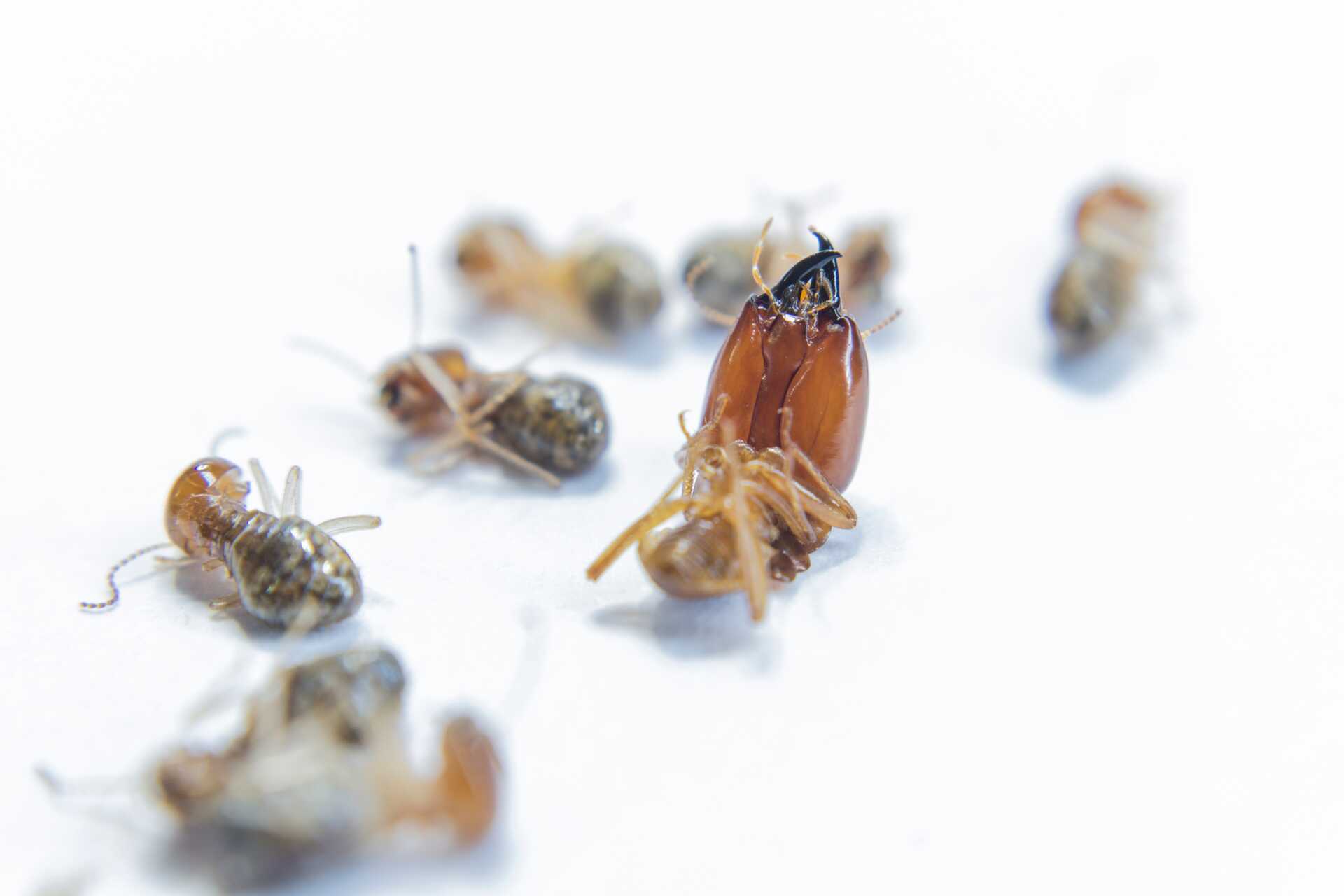
You just found out your neighbor discovered termites. Now you’re wondering if your home is next. It’s a valid concern, and unfortunately, the answer is yes, you should be paying attention.
Here’s what Pittsburgh homeowners need to know about termite spread and how to protect your property.
Why Your Neighbor’s Termite Problem Affects You
Termites don’t respect property lines. Eastern subterranean termites (the most common species in Pennsylvania) build colonies underground and can forage up to 100 feet from their nest in search of food sources. If your neighbor has an active infestation, there’s a good chance termite activity extends into the surrounding soil, including under your property.
During spring swarming season (typically March through June in our area), winged termites leave established colonies to start new ones nearby. Your neighbor’s problem could literally fly over to your house.
How Termites Spread Between Properties
Subterranean termites travel through the soil, moving from one food source to another. Shared property conditions make spread more likely:
- Connected tree roots and stumps: Termites feed on dead wood in the ground before finding your home’s foundation
- Mulch beds and landscaping: Wood mulch creates moisture-rich highways between properties
- Wood debris: Old fence posts, firewood piles, or construction scraps left near property lines
- Moisture issues: Poor drainage that affects multiple homes creates ideal termite habitat
Pittsburgh’s clay soil holds moisture well, which termites need to survive. This makes our region particularly hospitable to termite colonies.
What You Should Do Right Now
Inspect your property for warning signs:
- Mud tubes on your foundation or basement walls (termites build these pencil-width tunnels to travel)
- Discarded wings near windows, doors, or on window sills (left behind after spring swarms)
- Hollow-sounding wood when you tap exposed beams or framing
- Soft spots in wood trim, especially near the foundation
- Buckling paint or tiny holes in drywall
Check for conducive conditions:
- Wood-to-ground contact anywhere on your property
- Clogged gutters causing water to pool near the foundation
- Mulch or soil piled against your siding
- Crawl space moisture or standing water
- Leaking exterior faucets or HVAC condensation near the foundation
Will Neighbor’s Termite Treatment Push Termites Into Your Home?
This is a common worry, but modern termite treatments actually work differently than you might think. Professional termite treatments use products that termites can’t detect. Baiting systems, for example, use slow-acting toxins that termites carry back to their colony, eliminating the entire nest rather than just pushing termites elsewhere.
Fumigation and liquid barrier treatments eliminate termites within the treated area without driving them into neighboring properties.
That said, if there are multiple colonies in your area (which is likely if your neighbor has termites), your home could already be at risk regardless of their treatment.
The Cost of Waiting
Termites work slowly but relentlessly. A mature colony can consume about one linear foot of a 2×4 board per year. That might not sound like much, until you consider that:
- Termite damage isn’t covered by homeowner’s insurance
- Average termite damage repair costs between $3,000 and $8,000
- Severe infestations can cause structural damage requiring tens of thousands in repairs
- Termite damage disclosure can complicate home sales
The longer an infestation goes undetected, the more expensive the fix becomes.
What Pittsburgh Homeowners Should Do
If your neighbor has termites, take these steps:
- Schedule a professional termite inspection: Most companies offer free inspections, and it’s the only way to know for certain if you have an active problem
- Address moisture issues: Fix drainage problems, repair leaky gutters, and improve ventilation in crawl spaces
- Remove conducive conditions: Clear wood debris from around your foundation, keep mulch at least 6 inches away from siding, and eliminate any wood-to-ground contact
- Consider preventative treatment: If you’re in a high-risk area (which you are if your neighbor has termites), a protective barrier treatment can prevent future infestations
Don’t Wait Until You See Damage
By the time termite damage becomes visible, the infestation has typically been active for years. Professional termite inspectors know where to look and can spot early warning signs that homeowners miss.
If your neighbor has termites, the best time to check your property was yesterday. The second-best time is today.
Stewart Termite and Pest Control offers free termite inspections for Pittsburgh area homeowners. We’ll check your property, identify any risk factors, and give you straight answers about what you’re dealing with. No pressure, no sales pitch.
Call us today to schedule your free inspection and protect your biggest investment.