
I travel a lot for work. And if there is one thing I have learned the hard way, it is that no hotel is immune to bed bugs. Not the five-star resort, not the charming boutique inn, and certainly not the budget spot off the highway. That is exactly why knowing how to check for bed bugs before you settle in should be part of every traveler’s routine.
A five-minute inspection when you first walk into a room can save you weeks of stress and thousands of dollars in extermination costs back home. Bed bugs are expert hitchhikers. This guide walks you through a practical approach to protecting yourself on your next trip.
Why You Need a Bed Bug Hotel Inspection Every Time You Travel
Hotels see a constant flow of guests from all over the world. That turnover creates the perfect conditions for bed bugs to spread from room to room and eventually into your luggage. A thorough bed bug hotel inspection takes less than ten minutes, and it is one of the smartest habits you can build as a traveler.
These insects are nocturnal, hiding during the day in tight crevices and emerging at night to feed. Most guests never realize a room is infested until they are already home. Early detection is your best weapon.
Is There a Way to Tell if a Hotel Has Bed Bugs?
There is no foolproof method before booking, but you can reduce your risk. Checking online review sites for recent complaints is a good starting point. Resources like the Bed Bug Registry allow travelers to search hotels by name for reported incidents. You can also call the hotel directly and ask about their pest prevention protocols.
That said, the absence of reports does not guarantee a clean room. Bed bugs can appear suddenly between inspections. I have stayed in highly-rated hotels that still had signs hiding behind the headboard. Trust your own eyes over any online listing.
How to Check for Bed Bugs in a Hotel: Your Step-by-Step Room Inspection
The moment you walk through the door, resist the urge to toss your bags on the bed. Place your luggage in the bathroom, either on the counter or in the bathtub. Bed bugs are far less likely to be present on hard, smooth surfaces.
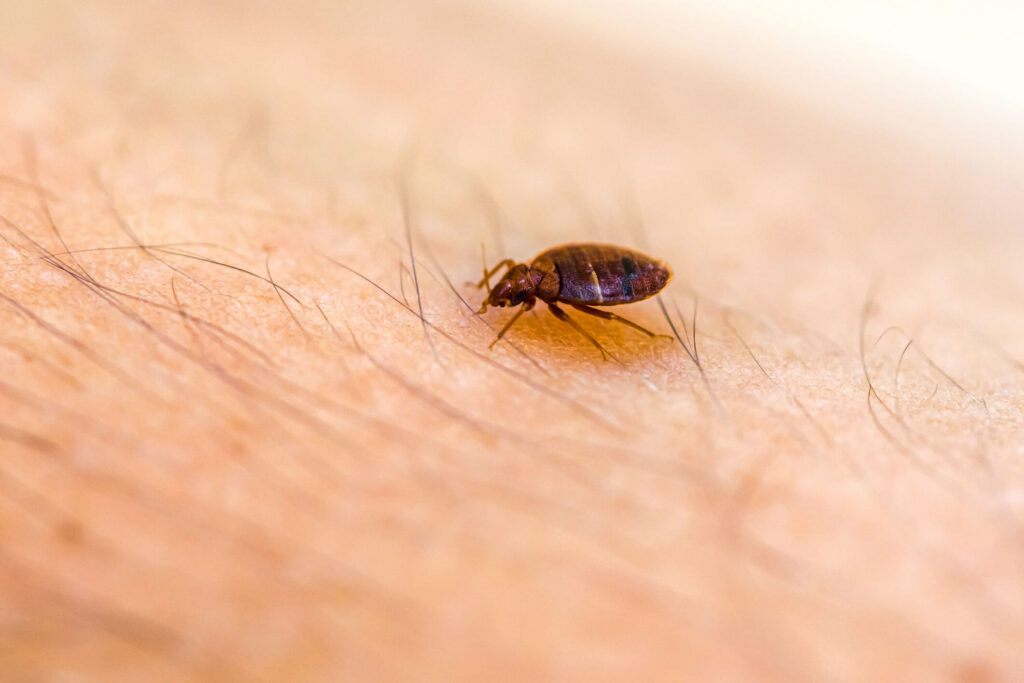
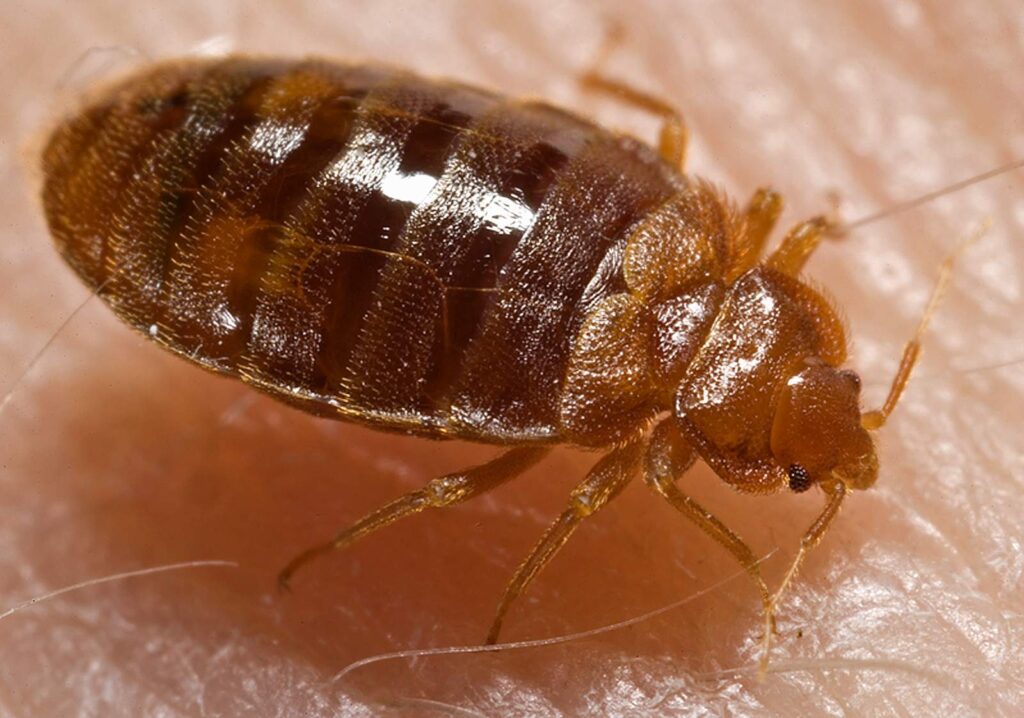
Grab your phone flashlight and pull back all the bedding. Strip the sheets, lift the pillows, and examine the mattress seams carefully, especially near the head of the bed. You are looking for small reddish-brown spots, tiny white eggs, shed skins, or live bugs that resemble flat apple seeds. Then lift the mattress and check the box spring corners and dust cover underneath.
Beyond the Bed: Where Else to Look
Bed bugs do not limit themselves to the mattress. Pull the headboard away from the wall if possible and inspect behind it. Open nightstand drawers and scan the baseboards, picture frames, and electrical outlets near the bed. To learn more about unexpected hiding places, read about Common Bed Bug Hiding Spots Most Pittsburgh Homeowners Miss.
Upholstered chairs and sofas within eight feet of the bed are also worth a quick check. Use your flashlight to peer into any crevices. If anything looks suspicious, document it with photos and report it to the front desk immediately.
What to Look For: Quick Reference
| Sign | What It Looks Like | Where to Find It |
|---|---|---|
| Fecal stains | Small dark reddish-brown or rust-colored spots | Mattress seams, sheets, box spring, baseboards |
| Eggs | Tiny white or translucent ovals, about 1mm long | Mattress piping, headboard crevices, furniture joints |
| Shed skins | Translucent, bug-shaped casings | Along seams, behind headboard, inside drawers |
| Live bed bugs | Flat, oval, reddish-brown, about the size of an apple seed | Mattress folds, box spring frame, furniture cracks |
| Blood stains | Small smears of red or dark red on fabric | Sheets, pillowcases, mattress surface |
What to Do if You Find Signs of Bed Bugs
Do not panic. Take clear photos of whatever you found, then calmly notify the front desk. Request a room change immediately. The new room should not be adjacent to, directly above, or directly below the infested room. Ideally, ask for a room on a completely different floor.
Before moving, inspect your luggage carefully. If your bags were on a hard surface in the bathroom, you are likely fine. If anything was placed on the bed or carpet, seal your belongings in plastic bags as a precaution. Run through the full inspection again in the new room.
Are 3 Bites in a Row Always Bed Bugs?
You may have heard of the “breakfast, lunch, and dinner” pattern, which refers to three bites appearing in a line on the skin. While this pattern is associated with bed bugs, it is not a definitive diagnosis. Bites can appear as single marks, clusters, or zigzag patterns depending on how many bugs were feeding.
Fleas and mites can leave similar-looking marks. Some people react strongly with itchy welts, while others show no reaction at all. Bite patterns alone are not reliable proof. Following solid bed bug prevention tips can help you avoid this situation entirely.
How Long Will Bed Bugs Stay on Clothes You’re Wearing?
Bed bugs are not like lice or fleas. They do not live on your body or cling to clothing you are actively wearing for long. Your body heat and movement make worn clothing uncomfortable for them. However, if a bed bug crawls onto your jacket or bag while you sit still in an infested area, it could remain on the fabric for several hours.
The bigger risk comes from clothes not being worn. Items left in a suitcase, draped over hotel furniture, or on the floor near the bed are attractive hiding spots. Research shows bed bugs are roughly twice as attracted to dirty laundry as clean clothes. Keep worn clothes in a sealed plastic bag during your stay, and wash everything on high heat when you get home.
What Is the Hardest Bug Infestation to Get Rid Of?
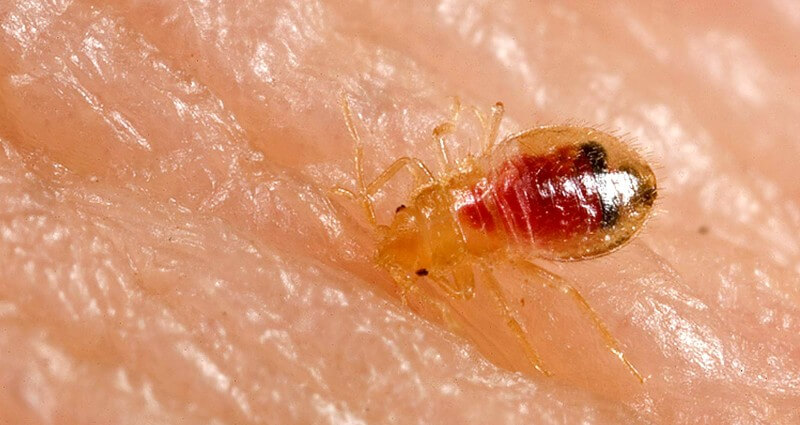
Bed bugs consistently rank among the most difficult household pests to eliminate. Their flat bodies let them squeeze into impossibly small spaces, and they reproduce rapidly. A single female can produce hundreds of eggs. Modern bed bugs have also developed resistance to many common pesticides, making DIY treatment ineffective.
Cockroaches and termites also top the list, but bed bugs require an especially targeted approach. Professional heat treatment or specialized chemical applications are typically the only reliable solutions. This is why prevention through a proper how to check for bed bugs routine matters so much.
Bed Bug Prevention Tips for After You Check Out
Your inspection responsibilities do not end when you leave the hotel. When you get home, unpack in a garage or bathroom rather than your bedroom. Wash all clothing in the hottest water the fabric allows and dry everything on high heat for at least 30 minutes.
Vacuum your suitcase thoroughly, paying attention to seams and pockets. Consider using a hard-shell suitcase, which offers fewer hiding spots than fabric bags. These habits, combined with a consistent bed bug hotel inspection at every check-in, will go a long way toward keeping your home bed-bug free.
Final Thoughts
Bed bugs are not a reflection of a dirty hotel or poor housekeeping. They are opportunistic travelers. The good news is that a few minutes of careful inspection can protect you and your family. Make it a habit. Every room, every trip.