
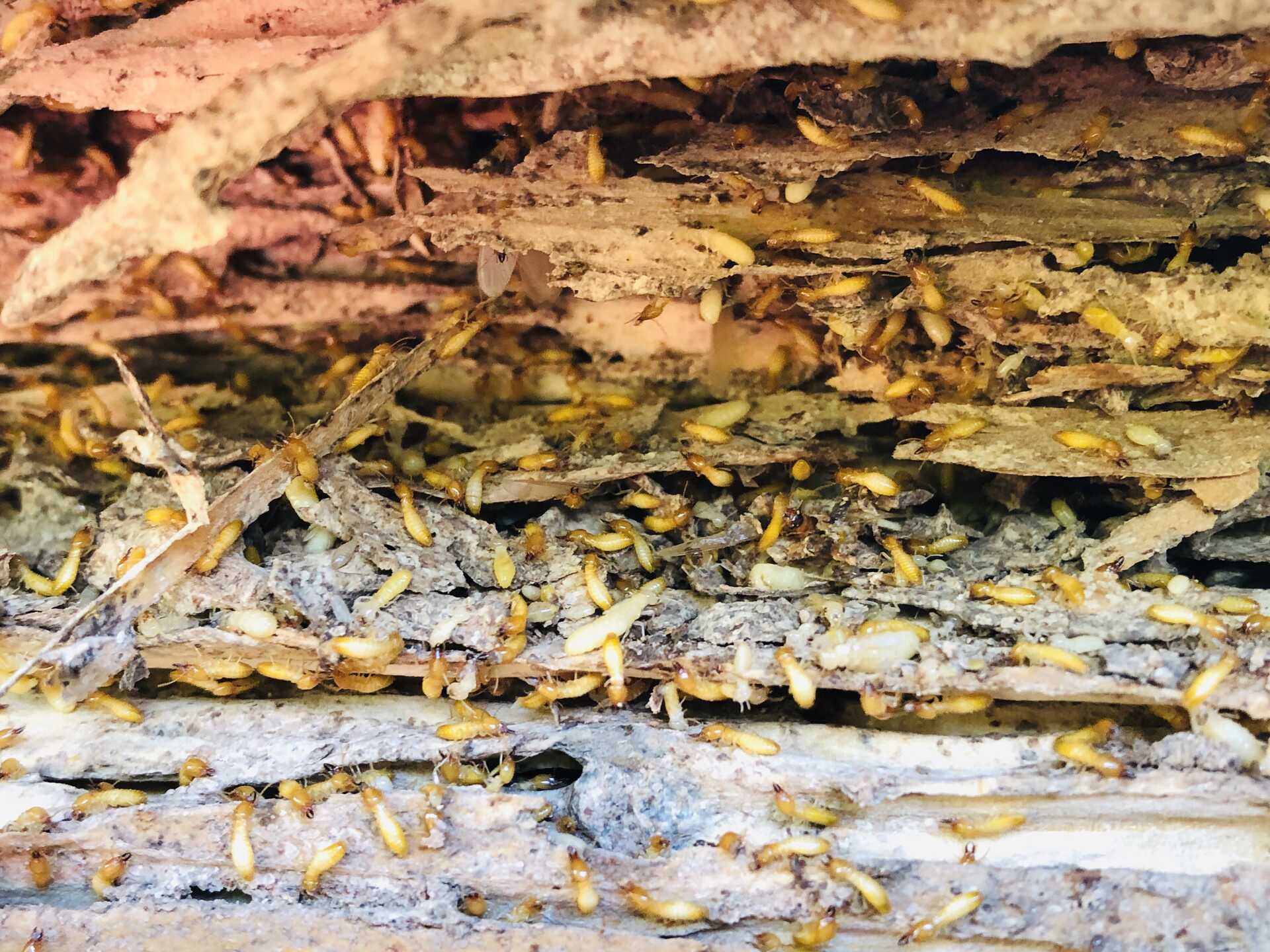
It’s the question that keeps homeowners up at night: if termites are eating away at your home right now, how much time do you have before serious damage occurs?
The answer isn’t simple, but understanding the timeline can help you make informed decisions about protecting your property.
The Short Answer: It Depends
A single termite colony can take 3 to 8 years to cause noticeable structural damage to a home. However, this timeline varies dramatically based on several factors. In some cases, particularly with large or multiple colonies, significant damage can occur much faster. In other situations, it might take longer.
The real problem? By the time you notice the damage, termites have typically been feeding on your home for years.
What Determines How Fast Termites Destroy Your Home
Colony Size and Maturity
A mature subterranean termite colony can contain anywhere from 60,000 to over a million workers. Eastern subterranean termites (the species most common in Pennsylvania) typically have smaller colonies than their Formosan cousins, but they’re still capable of consuming about one linear foot of a 2×4 board per year.
A young colony with just a few thousand termites will cause damage much more slowly than an established colony with hundreds of thousands of workers actively feeding 24/7.
Number of Colonies
Your property might not have just one termite problem. It’s entirely possible for multiple colonies to be foraging on your property simultaneously, each one causing independent damage. Multiple colonies can exponentially increase the rate of destruction.
Moisture Conditions
Subterranean termites require moisture to survive. Homes with chronic moisture problems (leaky pipes, poor drainage, crawl space humidity, roof leaks) create ideal conditions that allow colonies to thrive and grow larger. Drier conditions slow termite activity but rarely stop it completely.
Pittsburgh’s climate, with regular rainfall and humid summers, provides plenty of moisture for termite colonies to flourish.
Type and Condition of Your Home
Older homes with wood foundations or extensive wood framing provide more food sources than newer homes with concrete foundations and steel framing. Homes with wood-to-ground contact, wood siding, or untreated lumber are at higher risk.
The condition of the wood also matters. Damaged, rotting, or previously compromised wood is easier for termites to consume than solid, healthy lumber.
Previous Termite Activity
If your home has been treated for termites in the past, there’s a good chance some structural damage already occurred. Repaired areas might be fine, but if termites return and find their way to previously damaged or weakened areas, destruction can happen faster the second time around.
Why Termite Damage Is So Dangerous
They Work from the Inside Out
Termites consume wood from the inside, leaving a thin outer shell intact. This means a structural beam can be almost completely hollowed out while still looking perfectly normal from the outside. By the time you see surface damage (buckling paint, sagging floors, visible holes), the internal destruction is often severe.
They Target Critical Structural Elements
Termites don’t discriminate. They’ll feed on floor joists, support beams, wall studs, and roof framing. These are the structural elements that hold your house up. Damage to these components can compromise the safety and stability of your entire home.
The Damage Compounds Over Time
As termites weaken structural members, those members carry less weight effectively. This puts additional stress on surrounding structures, which can lead to cascading failures. A weakened floor joist causes the subfloor to sag, which stresses the walls, which affects the roof line.
Real-World Timeline: What to Expect
Years 1-3: Establishment Phase
In the early stages of infestation, a colony is still growing. Damage during this period is typically minimal and undetectable without professional inspection. You won’t see any signs.
Years 3-5: Active Feeding
As the colony matures, worker termites are actively feeding throughout your home’s structure. This is when damage begins to accumulate, but it’s still usually hidden from view. You might start to see subtle signs like stuck windows, uneven floors, or small cracks, but these are easy to attribute to normal settling.
Years 5-8: Noticeable Damage
This is typically when homeowners first discover they have a problem. Paint starts bubbling, wood sounds hollow when tapped, or visible tunnels appear. At this stage, structural damage may already be significant, and repairs can be costly.
Years 8+: Severe Structural Compromise
Long-term, untreated infestations can cause major structural failures. Sagging floors, drooping ceilings, and even collapsed sections are possible. Repair costs at this stage often run into the tens of thousands of dollars.
Warning Signs You’re Running Out of Time
If you notice any of these signs, termites have likely been active in your home for several years:
- Floors that feel soft or bouncy when you walk on them
- Doors and windows that suddenly don’t fit their frames properly
- Visible sagging or buckling in floors or ceilings
- Crumbling drywall or baseboards
- Wood that sounds hollow when tapped
- Visible mud tubes on foundation walls (this means active infestation right now)
- Piles of what looks like sawdust (actually termite droppings)
- Discarded wings near windows or doors (indicates recent swarming)
Termite Damage Repair: Why Waiting Costs You More
Here’s the financial reality of termite damage:
- Minor, early-stage damage: $1,000 to $3,000 in repairs
- Moderate damage: $3,000 to $8,000 in repairs
- Severe structural damage: $10,000 to $30,000+ in repairs
Remember, homeowner’s insurance does not cover termite damage. Every dollar comes out of your pocket.
Beyond repair costs, untreated termite damage affects your home’s value and can complicate selling. Most buyers will either walk away or demand significant price reductions when termite damage is discovered during inspection.
How to Know What You’re Dealing With
The only way to know for certain whether termites are actively damaging your home, and how far along that damage is, is through a professional termite inspection.
Professional inspectors know where termites hide. They check crawl spaces, inspect foundation walls, probe wood in high-risk areas, and identify signs that homeowners typically miss. An inspection can tell you:
- Whether you have an active infestation
- How extensive the damage is
- What areas of your home are at risk
- What treatment options make sense for your situation
Most pest control companies offer free termite inspections, which means there’s no financial risk to finding out where you stand.
Don’t Gamble with Your Biggest Investment
If you suspect termite activity, or if you’ve never had your home inspected and you’ve lived there for several years, now is the time to act. The cost of an inspection is zero. The cost of waiting could be thousands.
Termites don’t take breaks, and they don’t stop on their own. Every day they’re active is another day of damage to your home’s structure.
Stewart Termite and Pest Control provides free, no-obligation termite inspections for Pittsburgh area homeowners. We’ll give you an honest assessment of your situation and explain your options. No pressure, just straight answers.
Schedule your free inspection today and get peace of mind about your home’s condition.